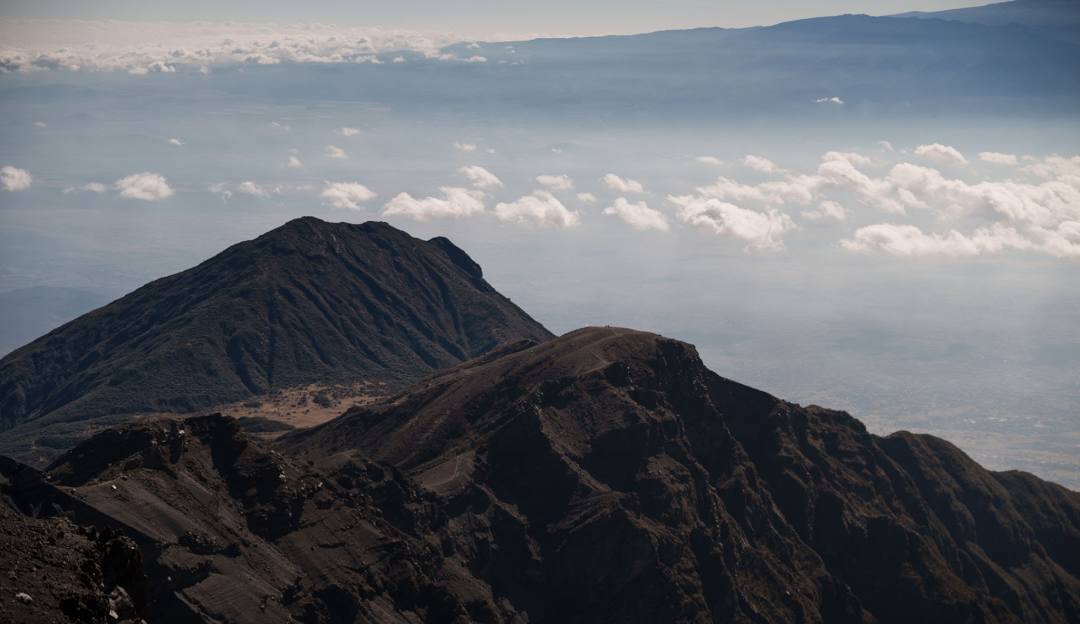
Mount Meru
Mount Meru Trekking: 5 Unrivaled Socialist Peak & Caldera Expeditions
Experience an authoritative Mount Meru trekking expedition ascending through the wildlife-rich montane forests of Arusha National Park. Operating directly from our Arusha headquarters, Grand World Tours curates private 3- and 4-day climbs along the dramatic volcanic crater rim to Socialist Peak (4,562m), combining escorted armed-ranger wildlife walks with exceptional Kilimanjaro acclimatization.
4,562m (14,967 ft)
Socialist Peak: the fifth-highest peak in Africa, towering over the Great Rift Valley.
3.5 km Wide Caldera
A sheer amphitheater plunging 1,500m down to a striking black volcanic ash cone.
Armed Ranger Mandate
Lower montane forest treks escorted by armed TANAPA rangers past giraffes, buffaloes, and colobus monkeys.
45 Min from Arusha
Momella Gate starting point situated just outside Arusha city; the premier acclimatization precursor to Kilimanjaro.
“Climbing Mount Meru is a dual wilderness experience: an authentic walking wildlife safari below, and an exhilarating narrow volcanic crater rim scramble above.”
Dominating the northern Tanzanian skyline right above the safari capital of Arusha, Mount Meru is an active stratovolcano that exploded 7,800 years ago, collapsing its entire eastern flank in a cataclysmic blast that created the Momella Lakes. Today, it stands as one of the most physically rewarding, aesthetically dramatic, and under-appreciated alpine treks on the African continent.
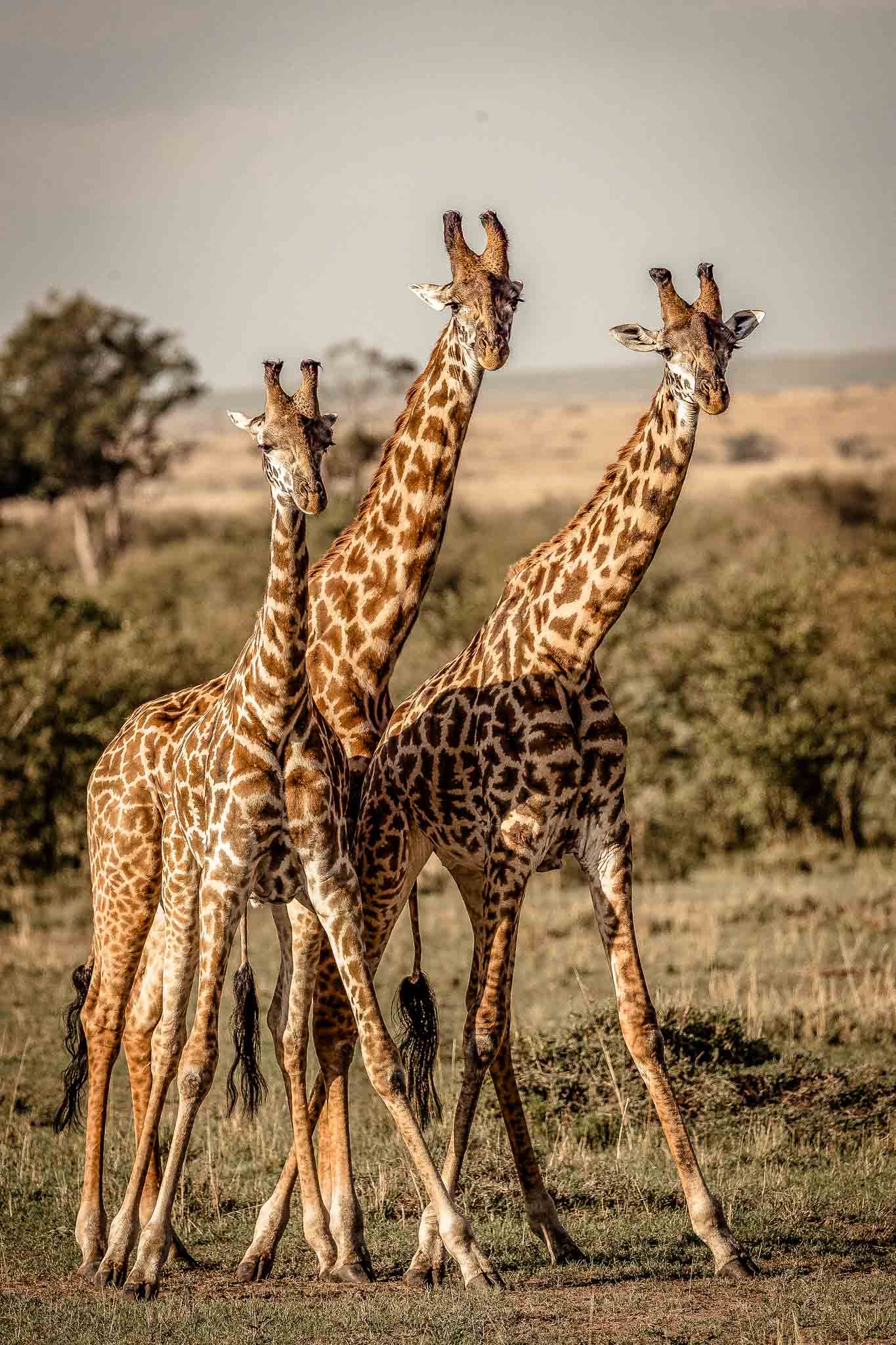
Because the mountain sits squarely within the boundaries of Arusha National Park, the lower slopes offer an experience entirely unique to Meru. Hikers don’t merely walk through forests; they trek on foot alongside an armed national park ranger through open glades where herds of giraffes, warthogs, Cape buffaloes, and bushbucks graze under the fig tree canopy, while rare black-and-white colobus monkeys leap overhead.
Above the tree line at Saddle Hut (3,570m), the character of the trek shifts from a wildlife walk into high-stakes alpine mountaineering. The final midnight push to **Socialist Peak (4,562m)** traces the knife-edge crest of the crater rim—a sheer 1,500-meter vertical drop into the inner caldera on one side and views of the moonlit African plains on the other. Reaching the summit at dawn rewards climbers with an unforgettable sunrise silhouette of Mount Kilimanjaro floating above the clouds just 70 kilometers to the east.
Mount Meru Climbing Dynamics
Optimal Weather Windows
| Season | Months | Mountain Weather & Ridge Conditions | Operational Focus |
|---|---|---|---|
| Dry Season (Peak) | June – October | Clear blue skies, dry rock along the knife-edge crater rim, and crisp morning light. Unhindered views of Kilimanjaro rising above cloud inversions. | Optimal summit success, safe crater rim navigation, and stunning sunrise photography. |
| Short Dry Season | January – March | Warm, dry weather with low rainfall on lower slopes; lush green montane vegetation and active wildlife along the Momella trails. | Ideal conditions for pairing with a Kilimanjaro climb or Northern Circuit safari. |
| Long Rains Season | April – May | Heavy rains in the rainforest; upper volcanic scree and crater rim rocks become slippery and cold. Mist shrouds the inner ash cone. | Not recommended for summit attempts; lower forest day hikes and waterfall walks available. |
Five Iconic Mount Meru Encounters
Private Guided Mountain Trails
Socialist Peak Sunrise
Stand on the highest volcanic crest of Mount Meru at 4,562 meters as dawn breaks. Marvel at the triangular shadow of Meru cast across the plains below, with Kilimanjaro burning gold on the horizon.
Armed Ranger Wildlife Walk
Depart Momella Gate accompanied by an armed TANAPA ranger. Walk on foot through lush montane glades within close range of grazing giraffes, Cape buffaloes, warthogs, and troops of colobus monkeys.
The Inner Ash Cone
Peer 1,500 meters straight down from the crater rim into the caldera to view Meru’s striking symmetrical ash cone, formed during the mountain’s last minor eruption in 1910.
Little Meru Sunset Excursion
Take an afternoon acclimatization hike from Saddle Hut up to Little Meru (3,820m). Soak in expansive views of the Arusha valley, Momella Lakes, and the jagged walls of the main summit ridge.
Fig Tree Arch & Waterfalls
Pass beneath the natural archway of an ancient parasitic wild fig tree large enough for a safari vehicle to drive through, continuing past the cascading waters of the Maio Falls.
VIP Mountain Hut Expeditions
Designed for climbers who demand high-altitude comfort paired with expert guiding. While park regulations mandate overnight stays in the official wooden mountain huts (Miriakamba and Saddle Huts), our VIP service transforms your stay.
Enjoy private dedicated mountain chefs preparing multi-course fresh hot meals, warm hot-water wash basins delivered morning and night, thick memory foam mattress toppers, certified 4-season sub-zero sleeping bags, private chemical camping toilets, and dedicated Wilderness First Responder medical checks twice daily.
- Thick memory foam mattresses and 4-season alpine down sleeping bags
- Private mountain chef serving tailored high-energy fresh hot meals
- 1:1 or 2:1 guide ratio with pulse oximetry checks and bottled emergency oxygen
Standard Quality Mountain Treks
Engineered for athletic adventurers seeking certified safety, fair porter welfare, and reliable mountain service at strong direct-operator value.
Stay in the shared dormitory-style national park wooden chalets with standard bunk beds, accompanied by licensed mountain guides, dedicated porters, and experienced camp cooks serving hearty, fresh three-course meals.
- Comfortable wooden bunk-bed accommodations at Miriakamba and Saddle Huts
- Licensed lead mountain guide, armed TANAPA ranger, and personal porters
- Strict KPAP-certified fair porter wages, meals, and ethical load limits
Plan Your Mount Meru Trek
Every Mount Meru expedition with Grand World Tours is customized around your trekking pace, fitness level, and acclimatization goals. Connect directly with our mountain planning desk in Arusha to coordinate private departures, gear rentals, and seamless connections to a Kilimanjaro summit or Serengeti safari.
WhatsApp Concierge
Instant route advice, gear checklists, and custom trekking quotes from our mountain desk.
Mountain Planning Desk
Send your target dates and party size to receive an itemized trekking proposal within 24 hours.
Arusha Headquarters
Native-owned ground operator managing all mountain gear, guides, permits, and Northern Circuit logistics.
Other destinations in
Mount Meru
From great national parks to white sand beaches
Popular Trips in Tanzania
Take a look at some of our itineraries and unique experiences — every one of our holidays is designed around you.
2-Day: Tarangire & Ngorongoro Safari
2 Days
Price from
$ 850
Ultimate 3-Day Safari: Explore Serengeti & Ngorongoro
3 Days
Price from
$ 1,450
Exclusive zanzibar heritage & island escape
3 Days
Price from
$ 435
Exclusive zanzibar coastal & nature retreat
4 Days
Price from
$ 634
5 Days Mount Meru Trekking
5 Days
Price from
$ 744
5 Days – Ndutu Calving Season Safari
5 Days
Price from






%20copy%203.svg)