Zanzibar . ZANZIBAR ARCHIPELAGO
The Spice Island and Its Extraordinary Beauty
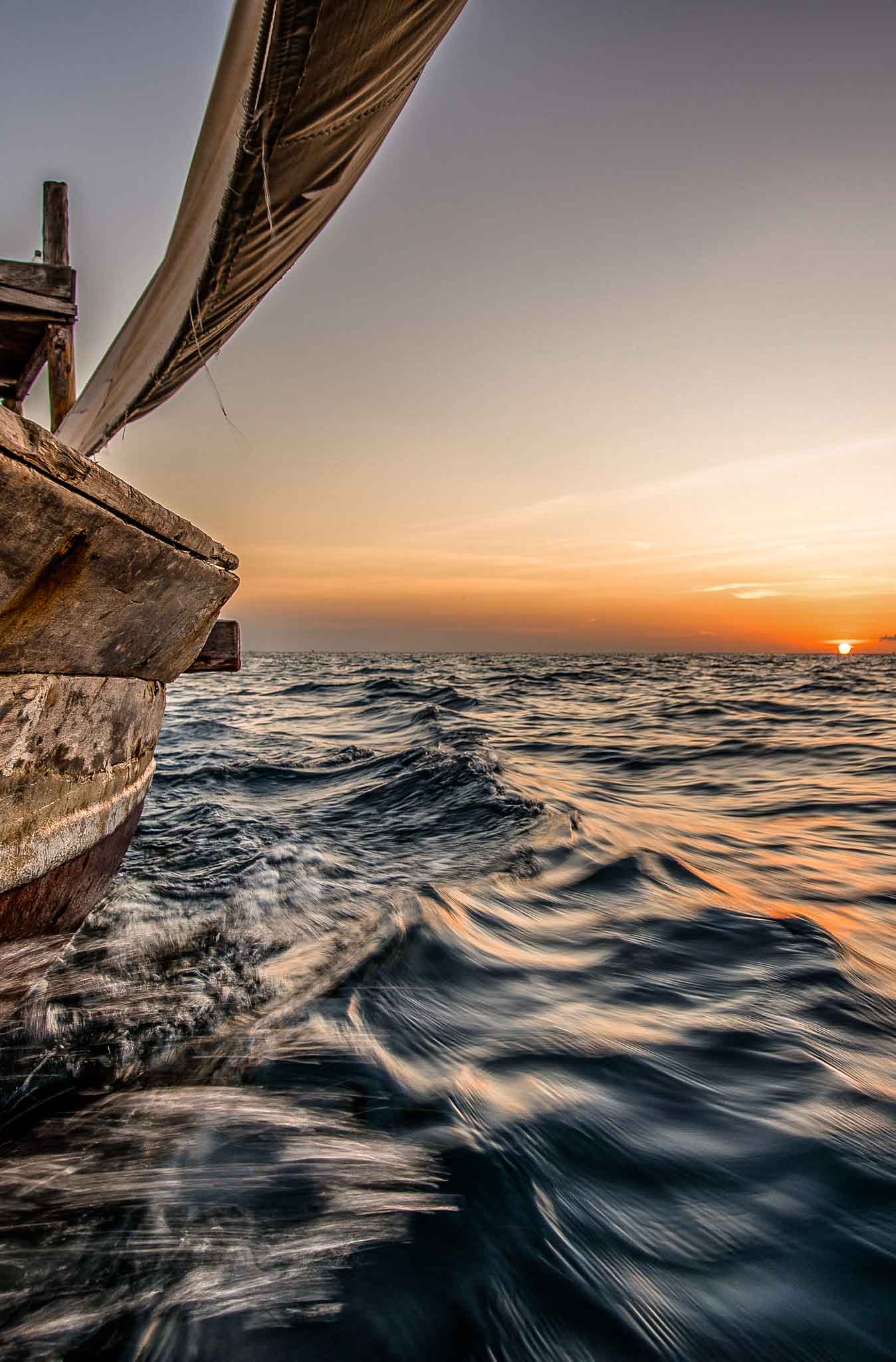
If Tanzania’s national parks and wildlife destinations represent the wild, untamed soul of East Africa, then Zanzibar represents its sensual, languid, extraordinarily beautiful complement — a jewel of the Indian Ocean that combines coral-white beaches, warm turquoise waters, fragrant spice gardens, and a richly layered cultural heritage of such extraordinary depth and such captivating beauty that it occupies a place entirely its own in the landscape of global travel. The Zanzibar Archipelago — comprising the main island of Unguja (commonly called Zanzibar), the island of Pemba, and numerous smaller coral islands — lies approximately 35 kilometres off the coast of mainland Tanzania, accessible by a forty-minute flight or a two-hour ferry from Dar es Salaam.
Zanzibar has been a place of extraordinary historical and cultural significance for more than a thousand years. Its deep natural harbour and its strategic position on the Indian Ocean trade routes made it one of the most important trading centres in the pre-colonial world, attracting Arab merchants, Indian traders, Portuguese explorers, Omani sultans, and British colonial administrators in successive waves that each left their mark on the island’s culture, architecture, cuisine, and genetic makeup. The result of this extraordinary layering of influences is a civilisation of remarkable richness and remarkable character — a Swahili culture that is simultaneously African, Arab, Indian, and something entirely its own, expressed in the carved wooden doors of Stone Town, the aromatic complexity of Zanzibari cuisine, the haunting beauty of taarab music, and the extraordinary warmth and openness of the Zanzibari people themselves.
Stone Town: A UNESCO World Heritage Treasure
The old quarter of Zanzibar Town — known universally as Stone Town — is one of the most extraordinary urban environments in all of Africa, a UNESCO World Heritage Site of remarkable architectural beauty and remarkable historical depth whose labyrinthine alleyways, ornate carved doorways, coral-stone buildings, and rooftop terraces create an atmosphere of such layered, sensory richness that wandering through it without a fixed destination or a specific itinerary is one of the most pleasurable urban experiences available to any traveller anywhere in the world.
The architecture of Stone Town is a direct physical expression of the island’s extraordinary cultural history — Arabic arches and geometric ornamentation combine with Indian carved balconies and British colonial proportions in buildings of coral limestone that have been absorbing the warmth and the salt air of the Indian Ocean for centuries. The carved wooden doors for which Stone Town is most famous are extraordinary objects in their own right — intricate, deeply carved creations of teak and ebony that serve simultaneously as architectural features, status symbols, and works of art, their designs incorporating Koranic verses, lotus flowers, fish, and chains in combinations that reflect the diverse cultural influences that have shaped Zanzibar’s identity over the centuries.
The Forodhani Gardens waterfront, where local vendors set up their famous night food market each evening as the dhows return to harbour, is one of the most atmospheric and most delicious evening experiences in East Africa — a feast of freshly grilled seafood, Zanzibari pizza, sugarcane juice, and the extraordinary local specialty of urojo (Zanzibar mix soup) consumed at plastic tables by the harbour wall as the lights of the fishing boats twinkle on the dark water and the warm, spice-scented air of the Indian Ocean night settles over the old town like a blessing.
The Beaches: Among the Finest in the World
The beaches of Zanzibar are, by the consistent and enthusiastic testimony of travellers who have visited beaches on every continent, among the most beautiful in the world — a claim that the island’s north and east coast beaches support with a completeness and a consistency that makes the superlative feel not like marketing hyperbole but like simple, accurate description. The combination of powdery white coral sand, water of such extraordinary clarity and such extraordinary colour — ranging from pale turquoise in the shallows to deep, saturated blue in the open sea — and the gentle, warm, consistently pleasant climate of the East African coast creates a beach environment of pure, uncomplicated, deeply satisfying beauty.
Nungwi and Kendwa on the northern tip of the island are the most famous and most visited beach destinations, offering the advantage of being unaffected by the tidal variations that expose seagrass flats on some of the eastern beaches at low tide, and supporting a lively concentration of beach hotels, restaurants, and water sports operators that suits travellers who want their beach experience to include activity and social life alongside the beauty of the setting. Paje on the eastern coast is the centre of Zanzibar’s remarkable kitesurfing scene, where reliable trade winds and shallow, warm water create conditions that attract kitesurfers from around the world and give the beach a distinctive, energetic character that is very different from the languid exclusivity of the northern beaches. Matemwe, further north on the eastern coast, is one of the most beautifully situated and most peaceful beach destinations on the island, its long, undeveloped beach and small, intimate hotels offering a quality of seclusion and natural beauty that is increasingly rare in the Indian Ocean’s most popular destinations.
The Spice Farms: Zanzibar’s Aromatic Heart
Zanzibar was known for centuries as the Spice Island — a name earned by the extraordinary agricultural heritage of clove, nutmeg, cinnamon, black pepper, cardamom, and vanilla cultivation that made the island one of the world’s most important spice producers and that continues to perfume its air and define its culinary identity to this day. A visit to one of Zanzibar’s traditional spice farms in the island’s interior is one of the most sensory and most genuinely informative experiences available to visitors — a guided walk through the extraordinary variety of the farm’s cultivation, with guides picking, crushing, and tasting spices directly from the plant and explaining the history, the cultivation methods, and the culinary and medicinal uses of each species with a knowledge and an enthusiasm that transforms the walk from a tourist attraction into a genuine education.
The smell of a Zanzibar spice farm — the complex, warm, aromatic combination of cloves, cinnamon, nutmeg, lemongrass, and vanilla that hangs over the farm’s lush, green cultivation — is one of the most distinctively beautiful olfactory experiences imaginable, and it is a smell so powerfully evocative and so completely associated with the extraordinary sensory world of Zanzibar that former visitors report being transported instantly back to the island simply by encountering one of its component parts anywhere in the world.
Marine Life and Underwater Zanzibar
Beneath the extraordinary surface beauty of Zanzibar’s waters lies an underwater world of equal and arguably surpassing magnificence — a coral reef ecosystem of remarkable biodiversity and remarkable visual splendour that makes the archipelago one of the finest snorkelling and diving destinations in the Indian Ocean. The coral reefs surrounding Zanzibar’s islands — particularly the extraordinary Mnemba Atoll off the northeast coast of the main island — support an abundance of marine life of extraordinary variety, from the minute and magnificently coloured reef fish that dart through the coral formations to the larger, more dramatic species that make dives in these waters genuinely thrilling.
Green sea turtles nest on several of Zanzibar’s beaches and feed on the seagrass beds of the protected bays, and snorkelling with these magnificent, gentle animals in their natural habitat is an experience of quiet, wondering enchantment that snorkellers and divers describe with a consistency and an emotional warmth that speaks to the universal human love of turtles. Whale sharks — the largest fish on earth, filter feeders of such extraordinary size and such complete harmlessness that swimming alongside them is one of the ocean’s most thrillingly humbling experiences — pass through the waters south of Zanzibar between October and March, and the possibility of a whale shark encounter makes a boat trip in these waters during the right season one of the most exciting marine wildlife opportunities in the entire Indian Ocean region.
When to Visit Zanzibar
The best time to visit Zanzibar for beach and water activities is during the dry season from June through October and the short dry season from December through February, when rainfall is minimal, seas are calm, and the extraordinary beauty of the island’s beaches and waters is on full, unobstructed display. The long rains from March through May and the short rains of November bring periodic heavy rainfall that can limit beach and marine activities, though the green, lush beauty of the island during these periods has its own quiet appeal and the prices and availability at Zanzibar’s finest hotels during the rains represent exceptional value.
Final Thoughts: Zanzibar as the Perfect Safari Finale
Zanzibar is, in the most complete and most satisfying sense, the perfect ending to a Tanzania safari — a transition from the wild, elemental, emotionally demanding beauty of the bush to a world of warmth, colour, fragrance, and ocean that allows the body and the mind to decompress and absorb the extraordinary experiences of the mainland safari at the most pleasurable possible pace. The combination of a Serengeti and Ngorongoro safari with a week in Zanzibar is not simply a good Tanzania itinerary. It is one of the finest travel experiences available anywhere in the world.
Other destinations in
TANZANIA
From great national parks to white sand beaches
Popular Trips in Tanzania
Take a look at some of our itineraries and unique experiences — every one of our holidays is designed around you.
Ultimate 3-Day Safari: Explore Serengeti & Ngorongoro
3 Days
Price from
$ $1,200 – $1,800
6 Days Tanzania safari adventure of a lifetime
6 Days
Price from
$ $1,895 - $3,200
Explore Northern Tanzania
9 Days
Price from
$ $2,100 – $5,500
Tanzania grand safari & Zanzibar ocean retreat
12 Days
Price from








%20copy%203.svg)