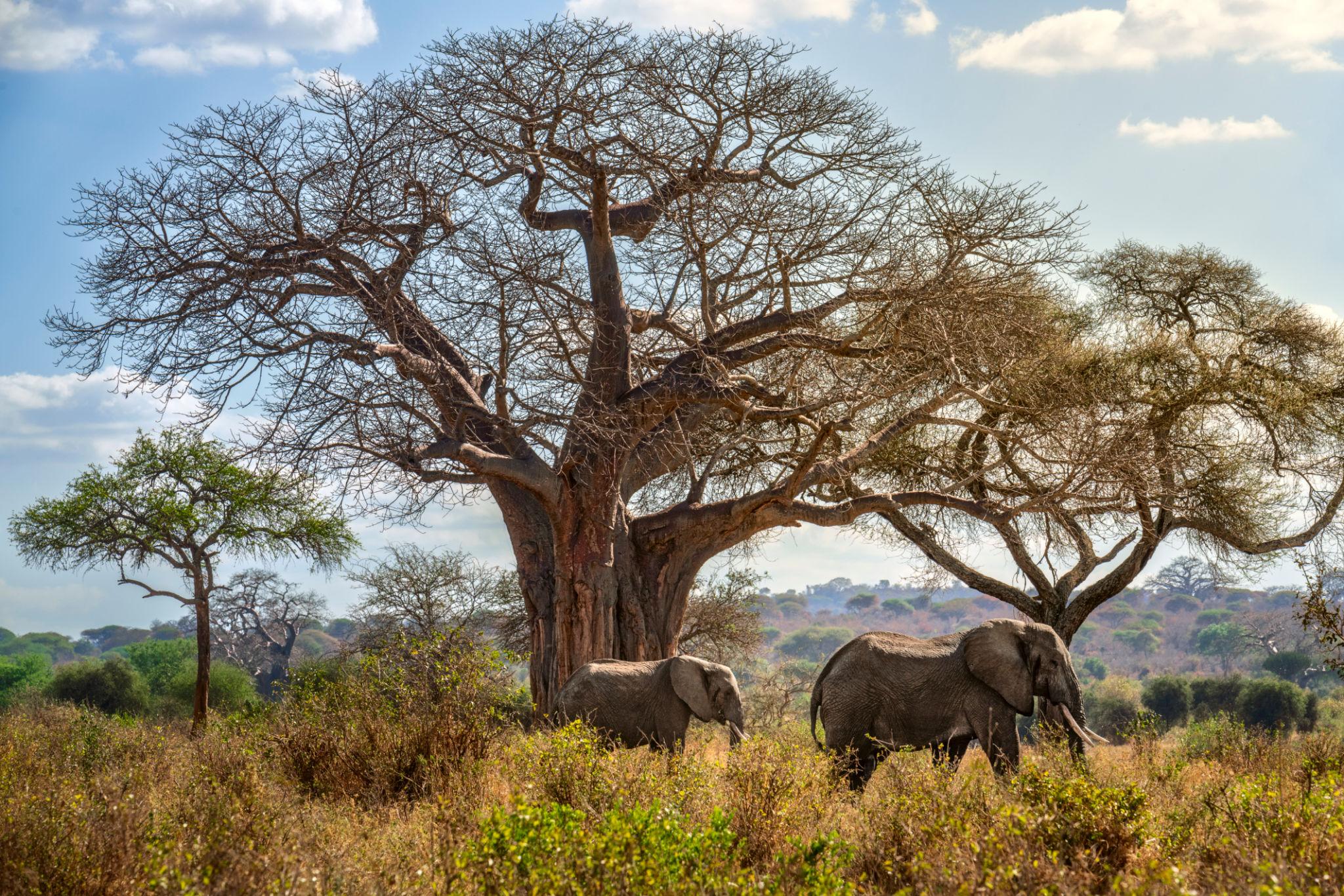
Tarangire National Park
Tarangire National Park Safari: 5 Unrivaled Elephant & Baobab Expeditions
Experience an authoritative Tarangire National Park safari across Tanzania’s most scenic baobab savanna. Managed from our Arusha headquarters, Grand World Tours curates private wildlife expeditions tracking colossal elephant breeding herds, tree-climbing lions, Silale Swamp wetlands, and luxury riverside tented lodges.
2,850 km² Domain
Centerpiece of the 20,000 km² Tarangire-Manyara ecosystem, serving as a critical dry-season refuge.
3,000+ Elephants
One of Africa’s densest elephant populations, with herds numbering up to 300 individuals traveling together.
Centuries-Old Baobabs
Ancient Adansonia digitata trees shaping the savannah skyline and anchoring the local bird ecology.
120 km (2 Hours)
Smooth paved highway transit southwest of Arusha; the quintessential starting chapter of the Northern Circuit.
“Beneath the colossal crowns of ancient baobabs, the Tarangire River breathes life into one of East Africa’s greatest dry-season wildlife spectacles.”
Characterized by granite ridges, rolling acacia scrub, and a landscape dotted with iconic baobab trees that have stood for nearly a thousand years, Tarangire National Park offers a visually arresting contrast to the open grasslands of the Serengeti. The primary lifeline of this arid country is the Tarangire River, a permanent watercourse that flows northward through the length of the park.
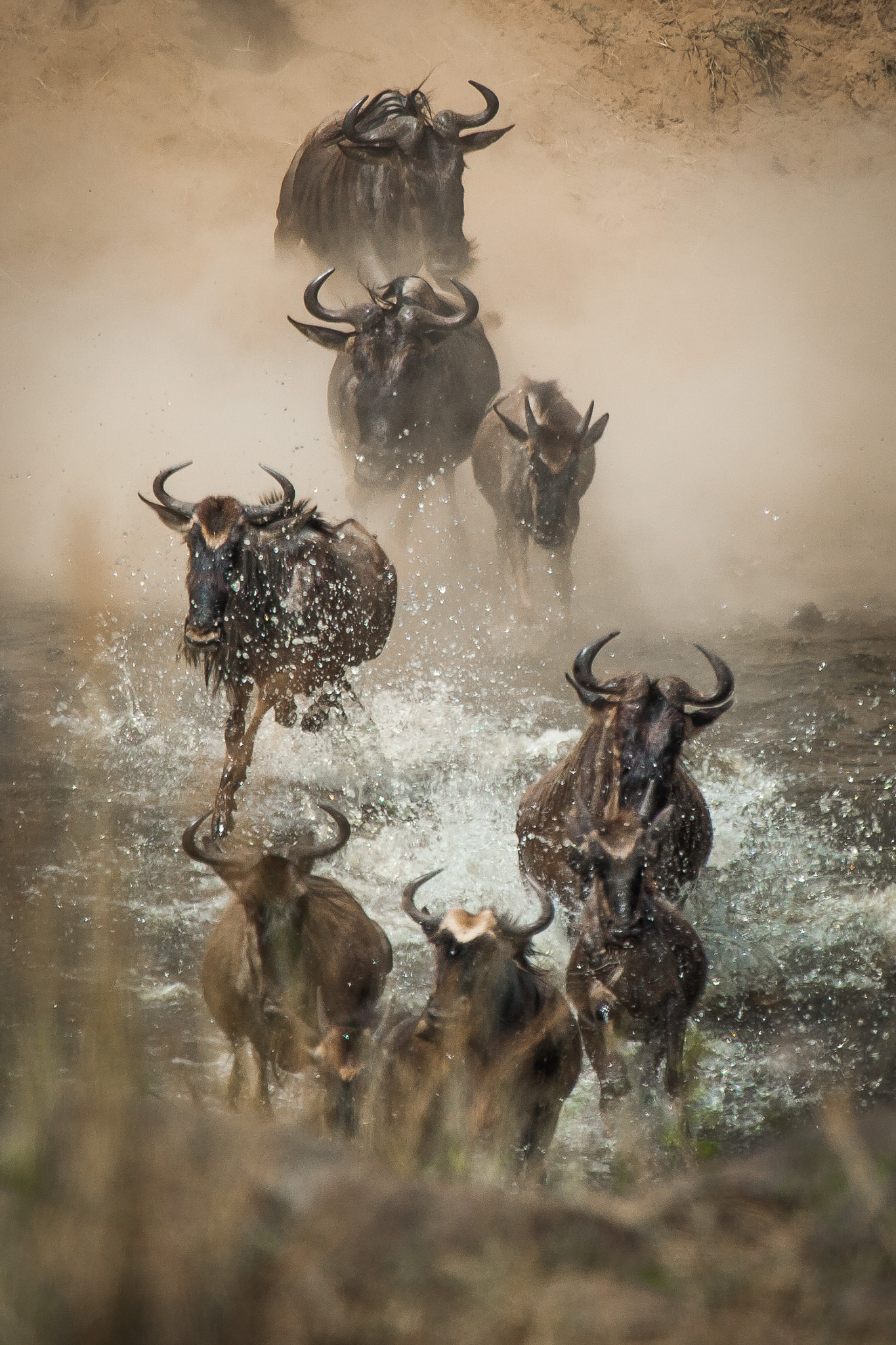
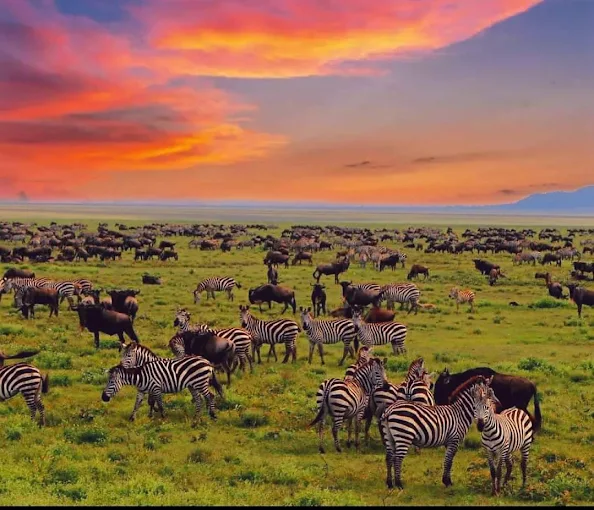
During the peak dry season from July through October, water across the surrounding Maasai Steppe vanishes entirely. In response, hundreds of thousands of migratory animals—including wildebeests, zebras, gazelles, buffaloes, and elands—converge along the banks of the river. Closely following these immense herds are over 3,000 elephants, as well as resident prides of lions, leopards, and cheetahs. To the south, the lush green expanse of the Silale Swamp functions like an enormous subterranean sponge, offering sweet browse and clear water late into the dry months.
Every Tarangire National Park safari curated by Grand World Tours is delivered with dedicated field standards. We bypass rushed day-trips, positioning our private 4×4 Land Cruisers in the park for early-morning light and unhurried game drives through the remote southern marshes. Handcrafted with veteran naturalist guides, unobstructed pop-up roof photography hatches, and tailored stays in luxury tented camps, your safari is customized to your preferred pace.
Tarangire Seasonal Dynamics
Optimal Travel Windows
| Season | Months | Wildlife & Landscape Dynamics | Operational Focus |
|---|---|---|---|
| Peak Dry Season | July – October | Extreme concentration of wildlife along the shrinking Tarangire River and Silale Swamp. Massive elephant gatherings and dramatic predator-prey activity. | High-yield predator tracking, elephant digging behavior, and full-day river circuit game drives. |
| Shoulder Season | June & November | Dry transitional weather, lower vehicle numbers, golden photographic light, and resident elephant families feeding among greening acacia trees. | Excellent value, intimate lodge availability, and unhurried wildlife photography. |
| Emerald / Green Season | December – May | Lush emerald-green landscapes, wildflowers across the savannah, newborn calves, and over 550 bird species in breeding plumage. | Specialist birdwatching, secluded luxury safari stays, and low-season rates. |
Five Iconic Tarangire Encounters
Private Northern Circuits
Elephant Herds Beneath Baobabs
Encounter legendary elephant breeding herds numbering dozens of individuals feeding together beneath colossal baobabs. Watch calves learning to strip nutritious bark under the watch of matriarchs.
Riverbed Sand Excavation
During the height of the dry season, watch elephants use their front feet and trunks to dig wells in dry sandy riverbeds, unearthing filtered subterranean water that is later shared by antelope and baboons.
Silale Swamp Wetland Drives
Venture into the southern reaches of the park where the Silale Swamp acts like a natural sponge. Watch hundreds of elephants wading chest-deep in lush marsh grass alongside buffalo herds and marsh birds.
Tree-Climbing Lions & Leopards
Look into the horizontal branches of sausage trees and umbrella acacias. Tarangire’s lions frequently climb high into the canopy to escape ground biting insects and survey passing game in the breeze.

Poacher’s Hide & Baobab Lore
Explore centuries-old hollow baobab trunks historically used as shelter by outlaws and indigenous hunters. These massive natural cavities once sheltered entire families beneath the African sky.
Exclusive Concession Luxury Camps
Positioned within secluded private concessions along the park boundaries or on elevated ridges overlooking the Tarangire River, our luxury partner properties combine privacy with fine service. Enjoy elevated canvas suites set on polished wooden decks, open-air viewing terraces, swimming pools overlooking active watering holes, and multi-course dining paired with curated wines.
Concession properties also permit private night game drives with infrared spotlights and escorted walking safaris led by armed rangers—activities not possible inside the main public park.
- Secluded canvas suites on raised decks with private viewing lounges
- Exclusive concession night game drives and armed walking foot safaris
- Fine dining, premium cellar selections, and private bush sundowners
Comfortable Riverfront Lodges & Tents
Designed for guests seeking authentic safari ambiance, warm hospitality, and strong value, our midrange portfolio features permanent safari lodges and classic tented camps situated along the river or close to the main gate.
Offering comfortable en-suite rooms, private verandas, swimming pools, and hearty farm-fresh buffets, these properties provide immediate morning access to prime wildlife corridors.
- Strategic 10-minute access to main park entrance gates
- Comfortable en-suite chalets and safari tents with swimming pools
- Farm-to-table dining and evening campfires overlooking the bush
Plan Your Tarangire Safari
Every journey with Grand World Tours is customized around your preferred pacing, private vehicles, and accommodation standards. Connect directly with our safari planning desk in Arusha to coordinate private guides, park permits, and seamless Northern Circuit connections to Lake Manyara, Ngorongoro, and the Serengeti.
WhatsApp Concierge
Instant availability, custom pricing, and direct Northern Circuit advice from our field desk.
Safari Planning Desk
Send your travel dates and group details to receive an itemized PDF itinerary within 24 hours.
Arusha Headquarters
Native-owned ground operator managing all 4×4 fleets, permits, and private safari logistics across Tanzania.
Other destinations in
Tanzania
From great national parks to white sand beaches
Popular Trips in Tanzania
Take a look at some of our itineraries and unique experiences — every one of our holidays is designed around you.
Ultimate 3-Day Safari: Explore Serengeti & Ngorongoro
3 Days
Price from
$ 1,450
5 Days – Ndutu Calving Season Safari
5 Days
Price from
$ 3,570
6-Day: Tanzania Northern Safari
6 Days
Price from
$ 2,240
6-Day Ndutu Calving Season & Serengeti Migration Safari, Tanzania
6 Days
Price from
$ $2,435
8 Days Tanzania Migration Safari
8 Days
Price from
$ USD 4,525
Northern Tanzania Signature Safari
9 Days
Price from






%20copy%203.svg)