LAKE EYASI
Tanzania’s Most Authentic Cultural and Wilderness Experience
A Lake Like No Other
There are destinations in Tanzania that reveal themselves slowly and quietly, without the immediate, overwhelming drama of the Serengeti’s endless plains or the Ngorongoro Crater’s breathtaking grandeur, and that reward the traveller who approaches them with patience and genuine curiosity with an experience of such deep authenticity, such rare human richness, and such quietly extraordinary natural beauty that they lodge permanently and warmly in the memory alongside experiences of far greater conventional celebrity. Lake Eyasi is one of those destinations — a shallow, seasonal soda lake lying in the floor of the Great Rift Valley in northern Tanzania, cradled between the dramatic walls of the Eyasi Escarpment to the north and the rolling Kidero Hills to the south, and surrounded by a landscape of such striking, haunting beauty and such extraordinary human and natural diversity that every traveller who visits it returns home with the feeling of having encountered something genuinely rare, genuinely precious, and genuinely irreplaceable in the modern world of increasingly homogenised travel experience.
Lake Eyasi sits at an elevation of approximately 1,030 metres above sea level in the Ngorongoro District of the Arusha Region, approximately 80 kilometres southwest of the town of Karatu and approximately 160 kilometres from Arusha itself. The lake is part of the broader Eyasi Basin — a low-lying depression in the floor of the Eastern Rift Valley that encompasses not only the lake itself but the extensive salt flats, reed beds, acacia woodlands, and dry savanna that surround it in a landscape of striking, semi-arid beauty that is immediately and dramatically different from the lush, well-watered highland environments of the nearby Ngorongoro Conservation Area. The contrast between the Ngorongoro highlands and the Eyasi Basin — achieved over a descent of several hundred metres that takes less than an hour by road — is one of the most striking and most rewarding landscape transitions in the whole of northern Tanzania, and it signals immediately and unambiguously that Lake Eyasi operates in a different register from the more celebrated destinations of the northern circuit, offering a different kind of beauty, a different kind of experience, and a different kind of truth about the extraordinary diversity of Tanzania’s natural and human world.
The lake itself is highly variable in its extent and character, expanding dramatically during the long rains to cover several hundred square kilometres of the basin floor and contracting sharply during the dry season to reveal extensive salt flats and shallow, highly alkaline pools that shimmer with a white, crystalline quality in the fierce equatorial sun. This variability — the lake’s seasonal transformation from a substantial body of water to a shrunken, salt-encrusted remnant of itself — is not a sign of ecological degradation but rather a fundamental and ancient characteristic of the Eyasi Basin’s hydrology, shaped by the same tectonic and climatic forces that created the entire Eastern Rift Valley system and that continue to define the character of this extraordinary landscape today. The lake’s alkalinity, derived from the volcanic minerals that leach into its waters from the surrounding geology, makes it hostile to most forms of aquatic life but simultaneously and extraordinarily hospitable to the blue-green algae that sustains the large flocks of flamingos that are one of the lake’s most visually spectacular inhabitants — birds whose extraordinary pink plumage against the white of the salt flats and the pale blue of the alkaline water creates one of the most striking and most photographically compelling natural colour combinations in all of East Africa.
The Hadzabe: Living Connection to the Ancient World
If Lake Eyasi has a single feature that distinguishes it most completely and most powerfully from every other destination in Tanzania — a single element of the experience that is so rare, so profound, and so genuinely irreplaceable that it justifies the journey to the Eyasi Basin entirely on its own — it is the extraordinary privilege of spending time with the Hadzabe people, one of the last surviving communities of hunter-gatherers on earth and the custodians of a way of life so ancient, so intimate in its relationship with the natural world, and so completely alien to the experience of modern, urbanised humanity that an encounter with it produces a quality of wonder, of humility, and of genuine self-reflection that no other cultural experience in Tanzania can replicate.
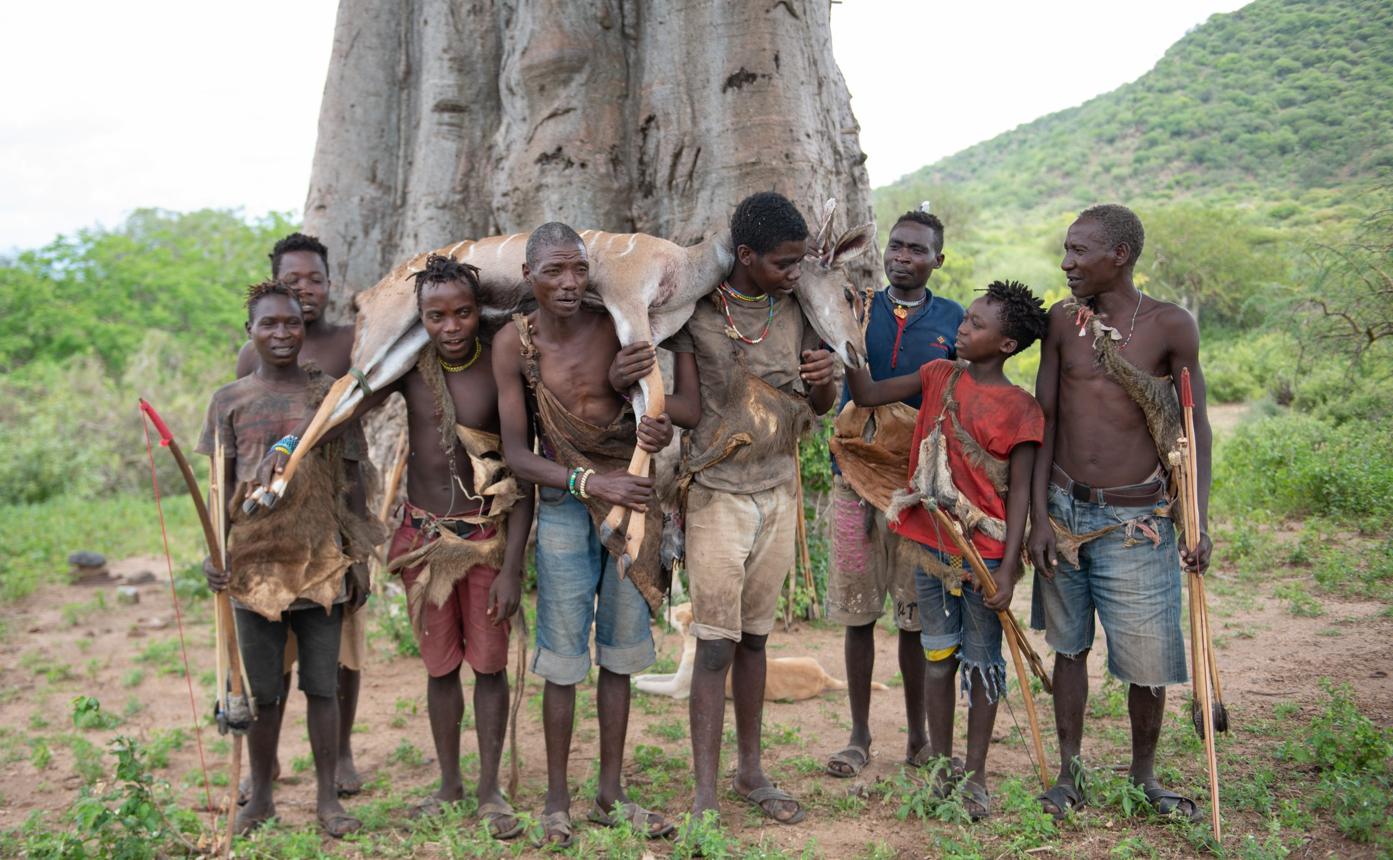
The Hadzabe — also known as the Hadza — are a small community of approximately 1,200 to 1,500 individuals who inhabit the area around Lake Eyasi and the surrounding Mbulu Highlands, living in small, mobile groups and sustaining themselves entirely through hunting and gathering in a landscape that their ancestors have occupied and intimately known for an estimated 50,000 years or more. This extraordinary temporal depth — the Hadzabe’s continuous presence in the Lake Eyasi landscape across a span of time that encompasses the entire history of anatomically modern human behaviour — is not merely a historical curiosity but a living, daily reality that is expressed in every aspect of Hadzabe life, from the extraordinary ecological knowledge encoded in their language and their oral traditions to the remarkable physical and technological skills with which they navigate, exploit, and sustain themselves within their natural environment.
The Hadzabe are considered by many geneticists and anthropologists to be among the most ancient human lineages on earth, their Y-chromosome and mitochondrial DNA tracing a direct, unbroken line of genetic inheritance from the earliest modern humans in Africa. This genetic antiquity is echoed in the extraordinary uniqueness of their Hadzane language — a click language that shares its distinctive consonantal click sounds with the Khoisan languages of southern Africa but that is not closely related to any other language family on earth, making it one of the most linguistically isolated and most linguistically ancient languages currently spoken by any living human community. The sound of Hadzane — the extraordinary, precise clicks interspersed with vowels and tones in a pattern of such rhythmic, musical complexity that the untrained ear can barely distinguish its component sounds — is one of the most extraordinary and most deeply moving linguistic experiences available to any visitor to Lake Eyasi, a sound that carries within it the echo of tens of thousands of years of human presence on this landscape.
The Morning Hunt: Walking with the Ancient Past
The most profound and most personally transformative experience that Lake Eyasi offers to the traveller is the opportunity to join a Hadzabe hunting party in the early morning — to rise before dawn in the darkness of the Eyasi Basin and follow a group of Hadzabe men through the dry acacia woodland and the rocky, semi-arid landscape surrounding the lake as they hunt for the bush meat, berries, tubers, and honey that sustain their community with a skill and an efficiency that has been refined and transmitted across generations for an almost incomprehensible span of time.
The preparation for the morning hunt begins while the sky is still completely dark and the air carries the cold, clean sharpness of the pre-dawn hours in the Rift Valley. The Hadzabe men — typically three to six individuals of varying ages, from experienced adult hunters to young men still learning the art under the guidance of their elders — gather around a small fire in the darkness, checking their extraordinary handmade bows, inspecting the poison-tipped arrows whose points are coated with a carefully prepared mixture of plant toxins capable of bringing down an impala or a baboon within minutes of a successful shot, and speaking quietly in the extraordinary click-language that has no counterpart in any other linguistic tradition on earth. The fire is small and efficient, its light illuminating the men’s faces and the extraordinary simplicity and elegance of their equipment — the bow of remarkable flexibility and power, the arrows of perfect straightness and precise balance, the small, sharp knife at each man’s side — in a scene that feels simultaneously ancient and immediate, a moment from a past so remote it should feel like archaeology but that is instead entirely, vibrantly present.
As the first grey light of dawn begins to filter through the acacia canopy, the party moves off into the bush — quickly, quietly, and with a focused, purposeful ease that speaks of a relationship with this landscape so deep and so intimate that every tree, every rock, every track in the dust is as familiar and as readable as a printed page to those who have grown up learning its language. Visitors are invited to follow as closely as they can manage without making excessive noise, and the experience of trying to move with the same quiet efficiency through the thorny, uneven terrain of the Lake Eyasi woodland that the Hadzabe navigate with such effortless, apparently effortless grace is itself a profound and humbling education in the gap between the physical competence that generations of intimacy with a landscape produces and the physical awareness of people who have spent their lives in environments very different from this one.
The hunt itself is a masterclass in ecological knowledge and physical skill — the hunters reading tracks in the dust with a precision that allows them to identify the species, the size, the direction, and the approximate time of passage of every animal that has moved through the area in the preceding hours; calling birds out of the canopy with extraordinary, accurate imitations of their vocalisations; using the wind with a constant, instinctive awareness of direction and speed that ensures they approach their quarry from downwind; and communicating with each other across considerable distances through a system of hand signals and whispered calls so efficient and so precise that it requires no technology, no infrastructure, and no medium other than the human body and the human voice to coordinate a complex, multi-person hunting operation across difficult terrain in near-silence. Whether or not the hunt results in a kill on any given morning — and the Hadzabe are pragmatic and unhurried about the variable outcomes of the hunt, their entire relationship with food and with the natural world structured around an acceptance of uncertainty and an equanimity in the face of daily unpredictability that the modern world has largely forgotten and would benefit enormously from recovering — the experience of accompanying them through the landscape of the Eyasi Basin in the extraordinary light of the early morning is one of profound, permanent, and deeply personal significance.
Honey Gathering: The Sweetest Tradition
Among the most extraordinary and most joyfully memorable experiences available to visitors spending time with the Hadzabe around Lake Eyasi is the opportunity to observe and participate in the ancient practice of wild honey gathering — a food-obtaining strategy so deeply embedded in Hadzabe culture, so brilliantly executed in practice, and so deeply pleasurable in its outcome that it has a special place in the community’s dietary and social life that goes far beyond the simple nutritional value of the honey itself.
The Hadzabe’s relationship with honey is one of the defining characteristics of their cultural identity and their ecological practice. Honey is the most calorically dense and most immediately rewarding food available in the Lake Eyasi landscape, and the Hadzabe’s ability to locate wild bee nests in hollow trees, rock crevices, and underground chambers with a speed and a certainty that seems almost miraculous to outside observers is a product of an extraordinarily refined system of ecological knowledge that combines direct observation of bee flight patterns with an intimate familiarity with the landscape’s bee habitats built up over a lifetime of attention and practice.
The honey-gathering process involves the preparation of a smoking torch — a bundle of dry vegetation and aromatic herbs whose smouldering smoke is used to calm the bees before the nest is opened — and the remarkably fearless, remarkably skilled extraction of honeycomb from the nest by hand, the bees crawling over the hunter’s hands and arms with a buzzing intensity that would send most modern observers running but that the Hadzabe accept with a calm, experienced equanimity that speaks of a relationship with bees so long and so familiar that their stings have been absorbed into the normal texture of experience rather than registered as exceptional events. The honey itself — raw, warm, extraordinarily flavoursome, and fragrant with the diverse floral sources of the Lake Eyasi landscape — is shared immediately among the gathering party and offered generously to visitors, and its extraordinary quality is a direct expression of the richness and the diversity of the botanical world from which it has been produced.
The Datoga People: Masters of Metal and Makers of Beauty
The Lake Eyasi region is home not only to the Hadzabe but to a second community of extraordinary cultural distinctiveness and extraordinary traditional skill — the Datoga people, a semi-nomadic pastoralist community whose territory overlaps with and surrounds the Hadzabe’s hunting grounds in the acacia woodlands and grasslands of the Eyasi Basin. The relationship between the Hadzabe and the Datoga is one of the most fascinating and most revealing aspects of the Lake Eyasi cultural landscape — a complex, historically layered relationship of trade, mutual dependency, and occasional tension between a hunter-gatherer community and a pastoral community that speaks volumes about the diverse strategies by which human beings have adapted to and sustained themselves within the demanding semi-arid environments of the Eastern Rift Valley.
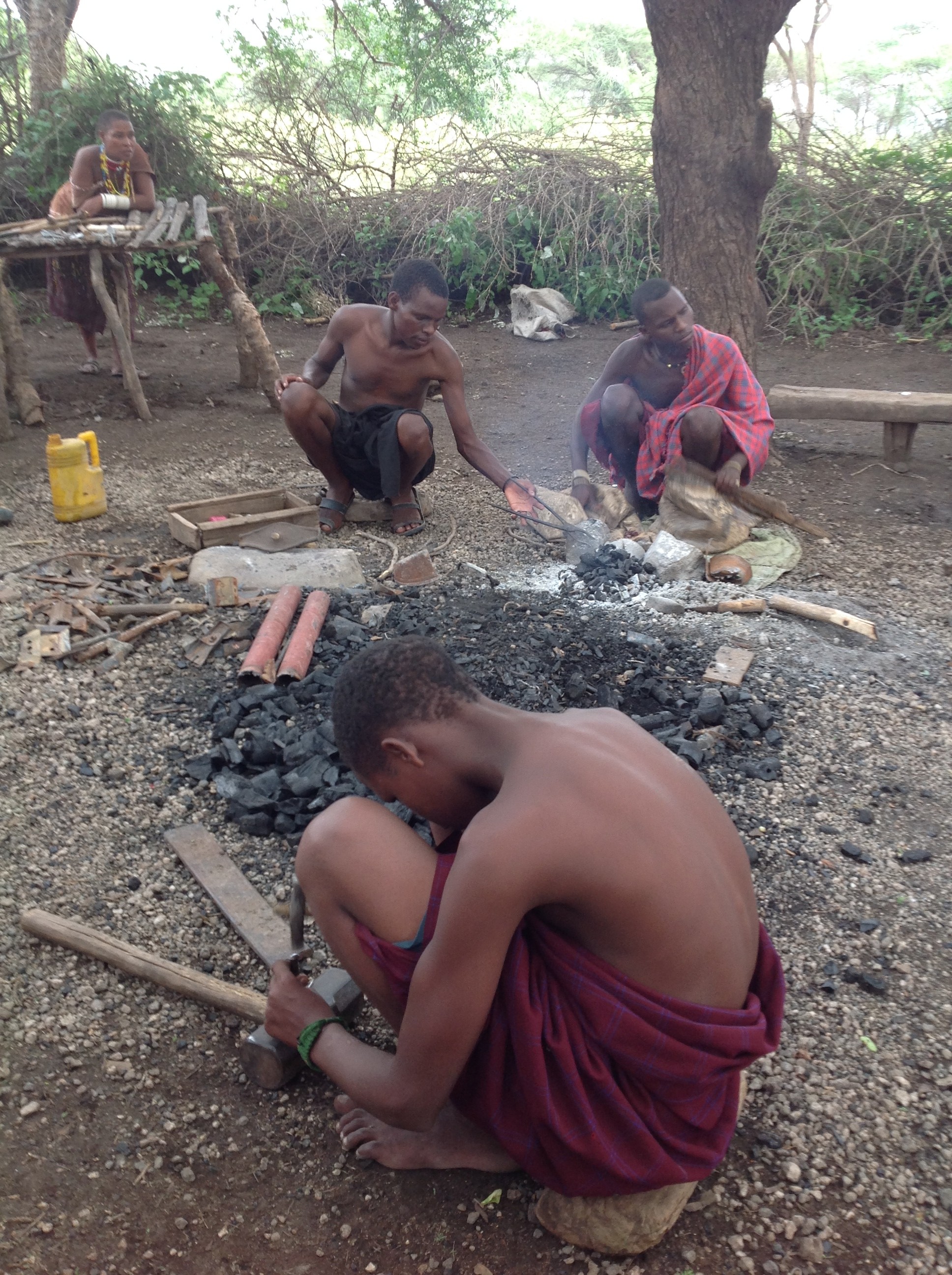
The Datoga are remarkable for their extraordinary skill in traditional metalworking — a craft of such technical sophistication and such aesthetic refinement that the Datoga blacksmiths of the Lake Eyasi area are celebrated throughout northern Tanzania for the quality and the beauty of the objects they produce. Working with the most basic of tools and techniques — a simple bellows-fired forge, hammers of stone and iron, and the extraordinary knowledge of metallurgy that has been transmitted through generations of Datoga blacksmithing families — the Datoga smiths produce arrow points, knives, bracelets, and other iron objects of remarkable precision and remarkable beauty that are traded across the region and that represent the primary commodity through which the Datoga and Hadzabe communities maintain their economic relationship.
A visit to a Datoga blacksmithing workshop — watching the bellows pump, the metal glow, and the hammers ring against the anvil in a rhythm of practiced, purposeful efficiency as the smith shapes the iron into the desired form with a skill so complete and so apparently effortless that it conceals the years of dedicated practice required to achieve it — is one of the most genuinely crafts-focused and most genuinely engaging cultural experiences available in northern Tanzania, and it provides a dimension of the Lake Eyasi experience that complements the Hadzabe encounter perfectly by illustrating the extraordinary diversity of human adaptive strategies that the Rift Valley landscape has supported across its long history of human habitation.
The Datoga women are equally celebrated for the extraordinary beauty of their traditional dress and ornamentation — intricate leather garments decorated with elaborate beadwork patterns of deep brown, black, and russet that have a graphic boldness and a compositional precision that place them among the most visually striking traditional textiles in East Africa. The facial tattooing that Datoga women traditionally wear — small, decorative patterns of raised scar tissue around the eyes that are applied in early adulthood and that are considered marks of both beauty and identity — gives the women of the community a distinctive, striking appearance that is immediately and powerfully expressive of a cultural identity of great depth and great confidence.
The Flamingos of Lake Eyasi: A Pink Spectacle
Among the natural wonders of the Lake Eyasi landscape, few are as immediately and as overwhelmingly beautiful as the extraordinary flamingo gatherings that occur on the lake’s alkaline shallows when conditions are right — large flocks of lesser flamingos and smaller numbers of the larger greater flamingo species that turn the pale, shimmering surface of the lake a vivid, extraordinary pink in a spectacle of such striking, unexpected beauty that it stops even the most jaded traveller in their tracks and sends them reaching for their camera with a spontaneity and an urgency that the finest photography, however beautiful, can never quite justify.
Flamingos gather on Lake Eyasi in response to the periodic blooms of the blue-green algae that the lake’s high alkalinity promotes, arriving in flocks of varying size depending on the season, the water level, and the algal productivity of the lake at any given time. The sight of several thousand flamingos gathered in a dense, pink mass at the lake’s margin — their extraordinary, curved necks bent to the water as they filter the algae through their remarkable, upside-down bills, their vivid plumage catching the early morning light with a brilliance that seems almost artificial in its intensity — is one of the most pure and most easily accessible natural spectacles in the Lake Eyasi region, requiring nothing more than a short walk or drive to the lake shore and the patience to observe quietly and allow the birds’ extraordinary beauty to do what it invariably does to human beings who encounter it without preconceptions or time pressure.
The best time to see flamingos at Lake Eyasi is during and immediately after the rainy season, when the lake level is at its highest and the algal productivity of the water is at its peak, drawing the largest concentrations of birds to its alkaline shores. During the dry season, as the lake contracts and the salt flats expand, the flamingo numbers diminish as the birds move to other alkaline lakes in the Rift Valley system — the famous Lake Natron to the north and the Ngorongoro soda lakes to the east — but even in the dry season the lake retains sufficient water and sufficient biological productivity to support flocks of several hundred birds that add an extraordinary splash of colour and life to the otherwise predominantly brown and grey landscape of the dry-season Eyasi Basin.
Birdwatching at Lake Eyasi: A Diverse and Rewarding Avian World
Beyond the flamingos, Lake Eyasi offers a birdwatching experience of remarkable diversity and remarkable quality that is one of the most underappreciated and most genuinely rewarding aspects of a visit to this extraordinary destination. The lake and its surrounding habitats — the reed beds, the salt flats, the acacia woodland, the dry savanna, and the rocky escarpment — each support distinct communities of bird species that collectively add up to an avian diversity of considerable richness and considerable beauty.
The water’s edge and the adjacent reed beds support a classic assemblage of East African waterbirds — grey herons, goliath herons, little egrets, spoonbills, sacred ibis, hadada ibis, African spoonbills, black-winged stilts, avocets, and numerous species of waders and terns that use the lake’s shallow margins as feeding and resting habitat during both resident and migratory periods. The pelicans that gather on the lake in significant numbers during periods of higher water level — great white pelicans floating in stately, dignified groups on the pale surface of the lake, their enormous bills and white plumage extraordinary against the dark blue of the water — are among the most visually impressive birds in the Lake Eyasi landscape and among the most rewarding to observe in the early morning light when the quality of illumination gives them a quality of almost photographic perfection.
The dry acacia woodland that surrounds the lake and covers much of the Eyasi Basin floor supports an extraordinary diversity of dry-country bird species that reflect the semi-arid character of the environment and the influence of the East African bush on the lake’s immediate surroundings. Hornbills of several species — the extraordinary Von der Decken’s hornbill with its brilliant orange bill, the larger and more imposing ground hornbill with its prehistoric, turkey-like dignity — are conspicuous and regularly encountered residents of the acacia woodland. Starlings of several species, including the extraordinarily beautiful superb starling and the subtler but equally rewarding Fischer’s starling, add flashes of iridescent colour to the dry bush, and the sunbirds — tiny, jewel-like nectar feeders whose metallic plumage catches the light with an almost electric brilliance — are present in extraordinary variety among the flowering shrubs and trees of the woodland.
The escarpment above the lake supports a different community of species adapted to the rocky, more elevated environment of the cliff faces and highland forest — rock hyrax are a common sight on the boulder outcrops, their alarm calls drawing the attention of Verreaux’s eagles that nest on the escarpment and that sail above the cliff edge on the thermals with a mastery of flight so complete and so beautiful that watching them is one of the most quietly satisfying birdwatching experiences the Lake Eyasi region has to offer. The Eyasi Escarpment is also one of the best locations in northern Tanzania for observing the remarkable bearded vulture — a large, extraordinary raptor whose bone-breaking feeding strategy and extraordinary rust-orange and black plumage make it one of the most distinctive and most sought-after species in the East African birding community.
The Landscape: Geology, Light, and the Rift Valley’s Ancient Beauty
The physical landscape of the Lake Eyasi region is one of the most geologically dramatic and most photographically extraordinary in Tanzania — a landscape shaped by the immense tectonic forces of the East African Rift System over millions of years and illuminated by a quality of light that the semi-arid environment and the high altitude of the rift valley floor combine to produce with a consistency and a beauty that rewards photographers at every hour of the day but that is most extraordinary in the golden light of the early morning and the late afternoon, when the long shadows and the warm, directional illumination transform the landscape’s already striking features into something approaching the sublime.
The Eyasi Escarpment — the steep, dramatic wall of volcanic rock that rises approximately 600 metres above the lake on its northern side — is the dominant geographical feature of the region and the most visually powerful element of the landscape in every direction from which the lake is approached. The escarpment’s dark, layered volcanic face, sculpted by millions of years of erosion into a complex topography of gullies, buttresses, and overhanging faces, catches the morning light with extraordinary effect — the shadows of the early morning gradually retreating up the cliff face as the sun rises, revealing the detail of the rock’s texture and colour in a daily revelation that never becomes routine or predictable regardless of how many mornings it is observed.
The salt flats that the receding dry-season lake exposes are a landscape of extraordinary, alien beauty — vast, flat expanses of white crystalline salt that shimmer in the heat with a quality that makes the horizon seem to dissolve into the sky in a perfect, brilliant, entirely featureless merger of earth and atmosphere. Walking on the salt flats during the dry season — the salt crunching underfoot, the surface firm and slightly yielding beneath the feet, the heat intense and immediate and redolent with the mineral sharpness of evaporating alkali — is an experience of such complete, disorienting strangeness that it feels less like walking on the floor of an ancient lake and more like walking on another planet entirely, a world reduced to its most essential and most beautiful geometric forms by the patient, relentless work of evaporation and crystallisation.
Practical Information: Planning Your Lake Eyasi Visit
Lake Eyasi is accessible by road from Karatu — the gateway town to the Ngorongoro Conservation Area — via a drive of approximately 80 kilometres on a road that is paved for the first section and deteriorates to a graded dirt track for the final approach to the lake, a journey of approximately two to three hours depending on road conditions and season. The road passes through beautiful highland scenery in the Karatu area before descending dramatically through the escarpment into the Eyasi Basin, a descent that is itself one of the most spectacular road journeys in northern Tanzania and that provides extraordinary views over the lake and the surrounding basin at several points along its winding course.
Accommodation at Lake Eyasi ranges from simple, community-run campsites on the lake shore to small, intimate boutique lodges of genuine quality and genuine character that combine comfortable, stylish accommodation with an authentic relationship with the local cultural and natural environment. The finest lodges in the area are small properties of four to eight rooms that operate in close partnership with both the Hadzabe and Datoga communities, ensuring that the cultural experiences they offer to guests are conducted with genuine respect, genuine benefit to the communities involved, and genuine commitment to the preservation of the traditions and the dignity of these extraordinary peoples. The lodges typically offer full guiding services for both the Hadzabe hunting experience and the Datoga cultural visit, as well as lake shore walks, flamingo viewing, and birdwatching guided by knowledgeable local guides whose familiarity with the area’s natural and human landscape adds immeasurably to the quality and the depth of every experience.
The best time to visit Lake Eyasi for the Hadzabe hunting experience is during the dry season from June through October, when the bush is open, the tracks are clear, and the morning hunts produce the most rewarding and most visually dramatic experiences. The green season from November through May brings lush vegetation to the basin, expanding the lake to its maximum extent and drawing the largest concentrations of flamingos and waterbirds to its shores — a trade-off that makes the choice of season genuinely dependent on whether the cultural or the natural dimension of the Lake Eyasi experience is the visitor’s primary motivation.
Malaria prophylaxis is essential for visitors to the Lake Eyasi region, as the low-lying Rift Valley floor supports significant mosquito populations throughout the year and particularly during the wetter months. Sun protection is equally important — the high altitude and semi-arid environment of the Eyasi Basin combine to produce an ultraviolet radiation intensity that is easily underestimated and that makes sunscreen, a hat, and protective clothing non-negotiable elements of the packing list for any visitor to the region.
Combining Lake Eyasi With the Northern Circuit
Lake Eyasi is ideally positioned to be incorporated into a northern Tanzania safari itinerary as a cultural and natural complement to the wildlife-focused experiences of the Serengeti, Ngorongoro, and Tarangire — a two or three night stay at the lake that adds a dimension of cultural depth, human richness, and distinctive natural beauty to an itinerary that might otherwise be entirely focused on big game wildlife viewing and that benefits enormously from the perspective, the contrast, and the extraordinary authenticity that the Lake Eyasi experience provides.
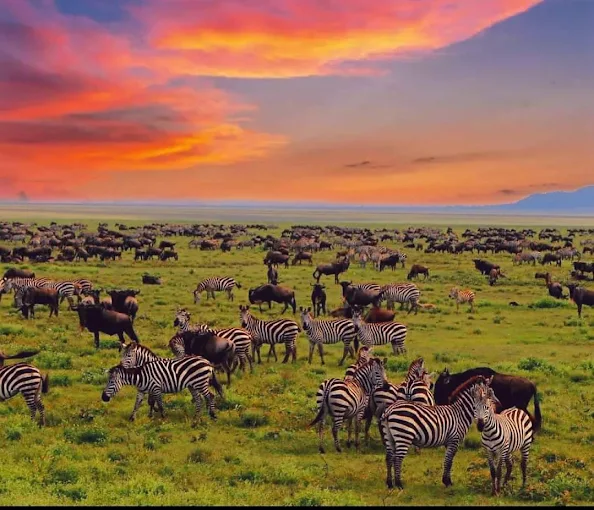
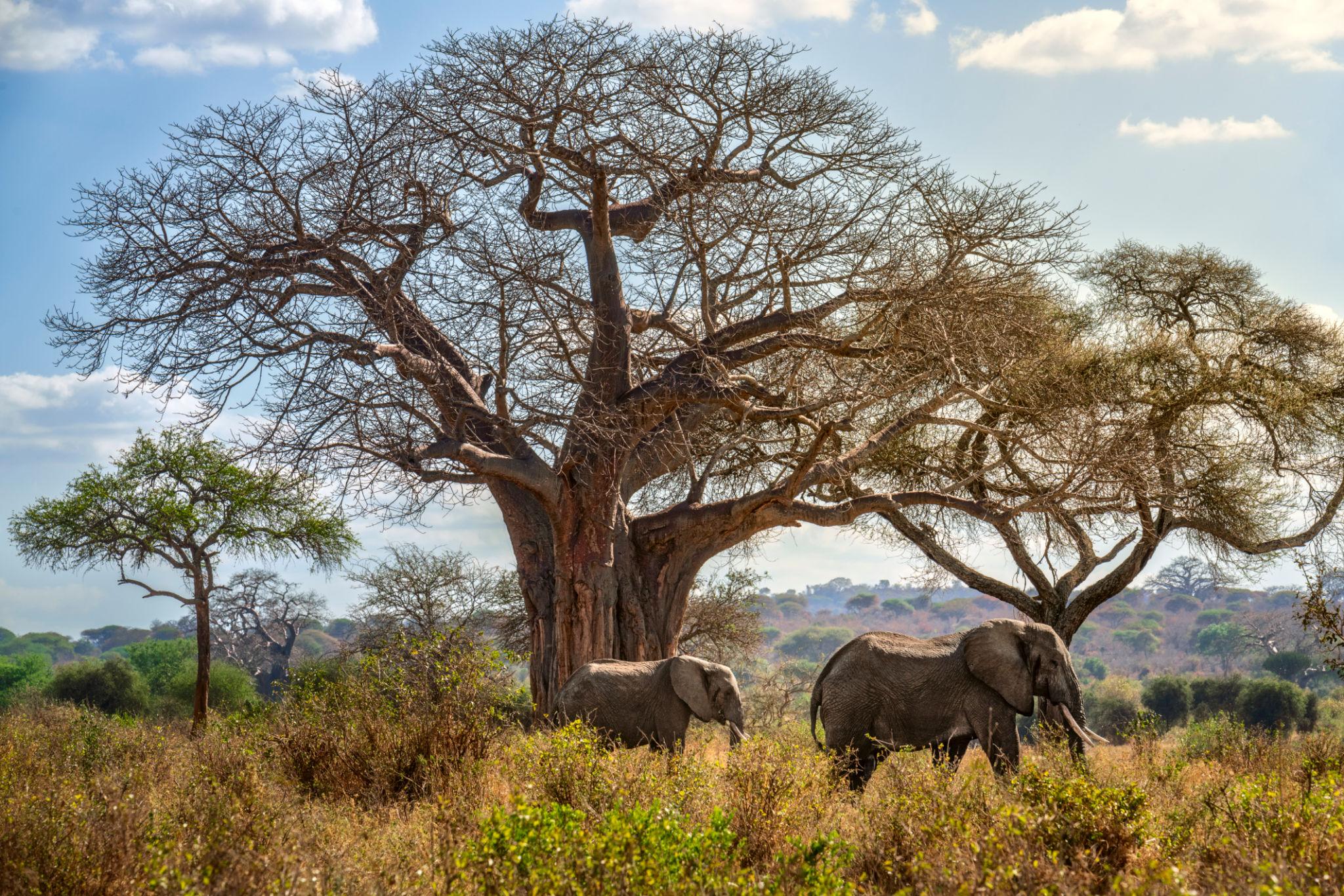
The most natural and most rewarding circuit for combining Lake Eyasi with the northern safari destinations begins with the Serengeti and Ngorongoro, continues to Tarangire, and concludes with two or three nights at Lake Eyasi before returning to Arusha — a sequence that moves from the grand, dramatic scale of the Serengeti ecosystem through the concentrated ecological richness of the Ngorongoro Crater and the elephant abundance of Tarangire to the intimate, profoundly human experience of the Eyasi Basin in a progression that feels both logistically natural and emotionally satisfying. Alternatively, Lake Eyasi can serve as a powerful and distinctive opening to a northern Tanzania itinerary — an immersion in the ancient human story of the Rift Valley that provides a profound and perfectly calibrated context for the wildlife experiences that follow, giving them a depth of meaning and a quality of perspective that they might not achieve if encountered without that human prelude.
Lake Eyasi as Tanzania’s Most Authentic Experience
Lake Eyasi is, in the most fundamental and most honest sense, the Tanzania travel experience that gets closest to the truth of what this extraordinary country and this extraordinary continent actually are at their most essential and most enduring — not the managed spectacle of the safari vehicle and the luxury lodge, magnificent and irreplaceable as those experiences undoubtedly are, but the raw, unmediated, daily reality of human beings living in intimate, skilled, and sustainable relationship with a landscape that their ancestors have occupied and known and loved for longer than history can record.
To spend a dawn in the acacia woodland of the Eyasi Basin with a group of Hadzabe hunters — listening to the click language that is among the oldest spoken tongues on earth, following the tracks of animals read in the dust with a knowledge so deep it borders on the supernatural, feeling the stillness and the spaciousness of a landscape that has not fundamentally changed in fifty thousand years of human occupation — is to touch something so ancient, so authentic, and so deeply, permanently human that it reorders the priorities and the perceptions of every person fortunate enough to experience it.
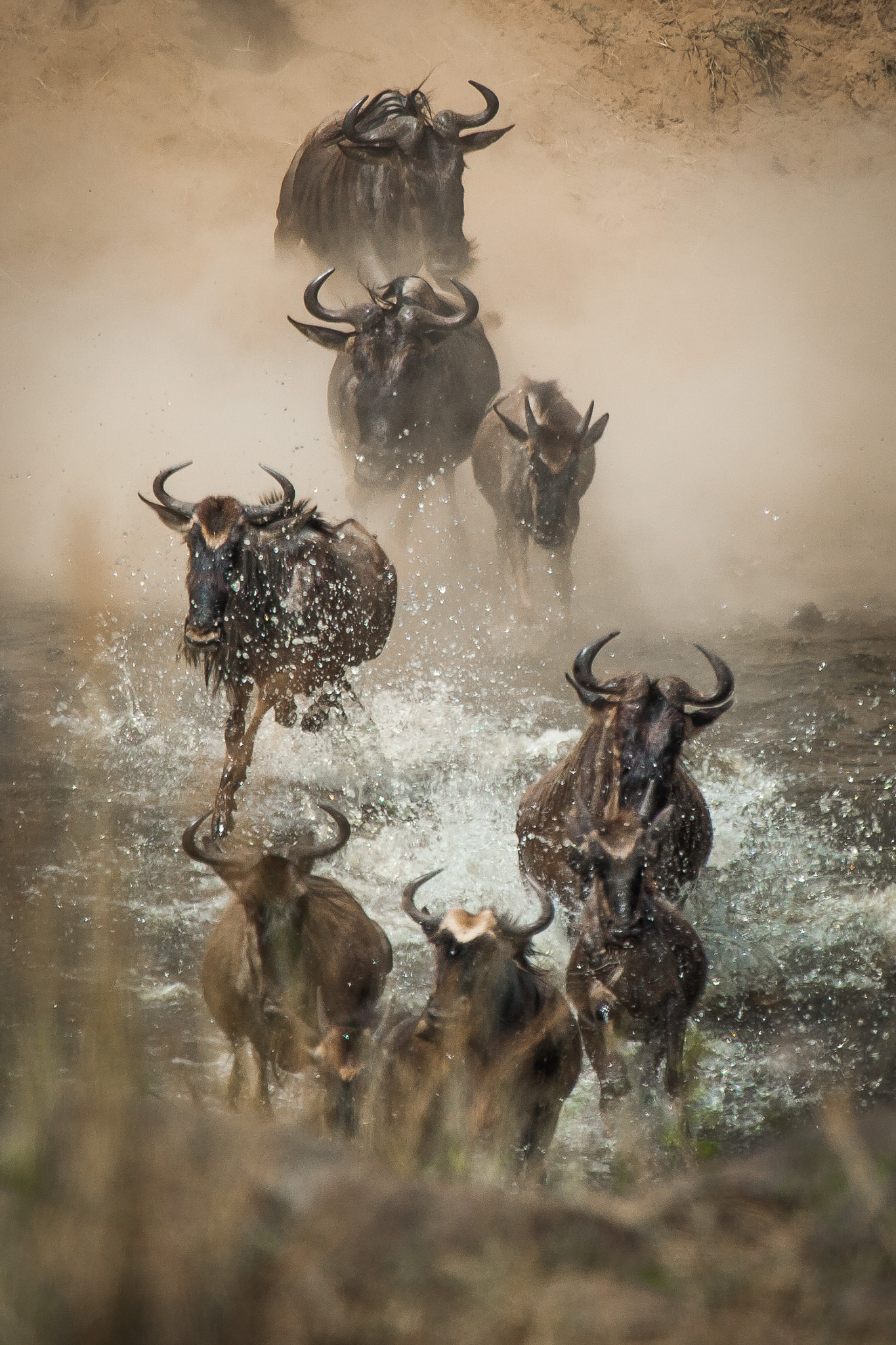
Lake Eyasi does not shout for attention. It does not announce itself with the thundering drama of a wildebeest river crossing or the breathtaking geometry of the Ngorongoro Crater. It reveals itself gradually, quietly, and with the particular generosity of places that have nothing to prove and everything to offer — a lake, a landscape, and a human story of such extraordinary depth and such extraordinary beauty that the traveller who discovers them carries
Other destinations in
TANZANIA
From great national parks to white sand beaches
What makes us different
Get ready for the great safari adventure
Among our trips you will find the most powerful and genuine experiences that Africa has to offer. With every element tailored to your wishes, your dreams are in control.