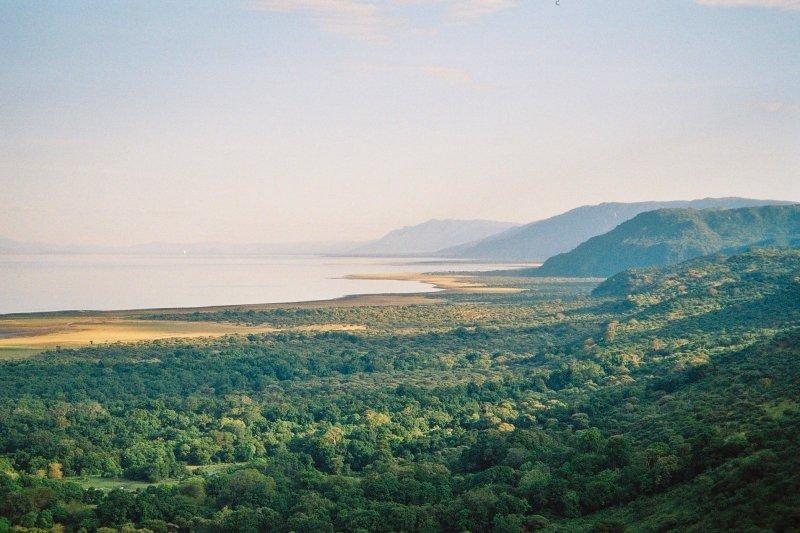
Lake Manyara National Park
Lake Manyara National Park Safari: 5 Unrivaled Rift Valley Encounters
Experience an authoritative Lake Manyara National Park safari where towering 600-meter escarpment cliffs meet ancient groundwater forests and shimmering alkaline shores. Managed from our Arusha headquarters, Grand World Tours curates private wildlife journeys balancing tree-climbing lions, canopy walks, and tailored luxury or midrange lodges.
125 km (1.5–2 Hours)
Seamless paved road transit; the quintessential opening chapter of the Northern Safari Circuit.
330 km² Total Reach
Over two-thirds comprised of a saline alkaline basin bordered by natural freshwater springs.
Olive Baboon Troops
Africa’s densest documented baboon troops roaming alongside blue monkeys in dense canopy glades.
400+ Recorded Species
Seasonally hosting thousands of lesser flamingos, pelicans, and forest hornbills.
“Where the Great Rift Valley breaks into emerald groundwater forest, nature creates a rare haven of quiet abundance.”
Framed beneath the sheer crimson wall of the Gregory Rift Escarpment, Lake Manyara National Park forms an ecological microcosm unlike any other in Tanzania. Fed by perennial underground springs trickling down from the Ngorongoro Highlands, the northern gateway opens into an evergreen canopy of wild figs, broad-leaved trichilias, and towering mahoganies. Here, daylight filters through dense leaves as troop baboons groom along forest paths, blue monkeys leap through the canopy, and compact forest elephants forage in cool shade.
Traveling southward, the woodland opens into golden acacia savannahs, steaming thermal geysers, and expansive soda marshes. The lake itself expands and recedes across seasons, attracting flocks of pink-hued lesser flamingos, great white pelicans, and yellow-billed storks. In the central plains, cape buffaloes, giraffes, zebras, and impalas graze beneath umbrella trees where Manyara’s famous tree-climbing lions seek refuge from the heat.
Every Lake Manyara National Park safari operated by Grand World Tours is delivered with dedicated private standards. We forgo rushed day-trips in favor of curated private game drives timed for early-morning light and late-afternoon thermal activity. Handcrafted around customized 4×4 safari Land Cruisers, private naturalists, and refined stays, each itinerary is tailored to your travel style.
Lake Manyara Seasonal Dynamics
Optimal Travel Windows
| Season | Months | Wildlife & Landscape Dynamics | Operational Focus |
|---|---|---|---|
| Peak Dry Season | July – October | Vegetation thins along the acacia woodlands; large mammals, buffalo herds, and elephants gather near the perennial springs and shoreline. Excellent track conditions. | Prime tree-climbing lion tracking, open acacia game drives, and photography along the shoreline. |
| Shoulder Season | January – February | Dry interlude between seasonal rains; warm days, clear escarpment vistas, and high resident primate activity in the groundwater forest. | Canopy walkway excursions, village cultural walks in Mto wa Mbu, and early morning game drives. |
| Emerald / Wet Season | November – December & March – May | Alkaline lake waters rise to maximum levels, attracting massive flocks of lesser flamingos, pelicans, and waterbirds; waterfalls cascade down the rift escarpment. | Specialist birdwatching, lush botanical photography, and canoeing safaris (when lake levels permit). |
Five Iconic Manyara Encounters
Private Guided Circuits
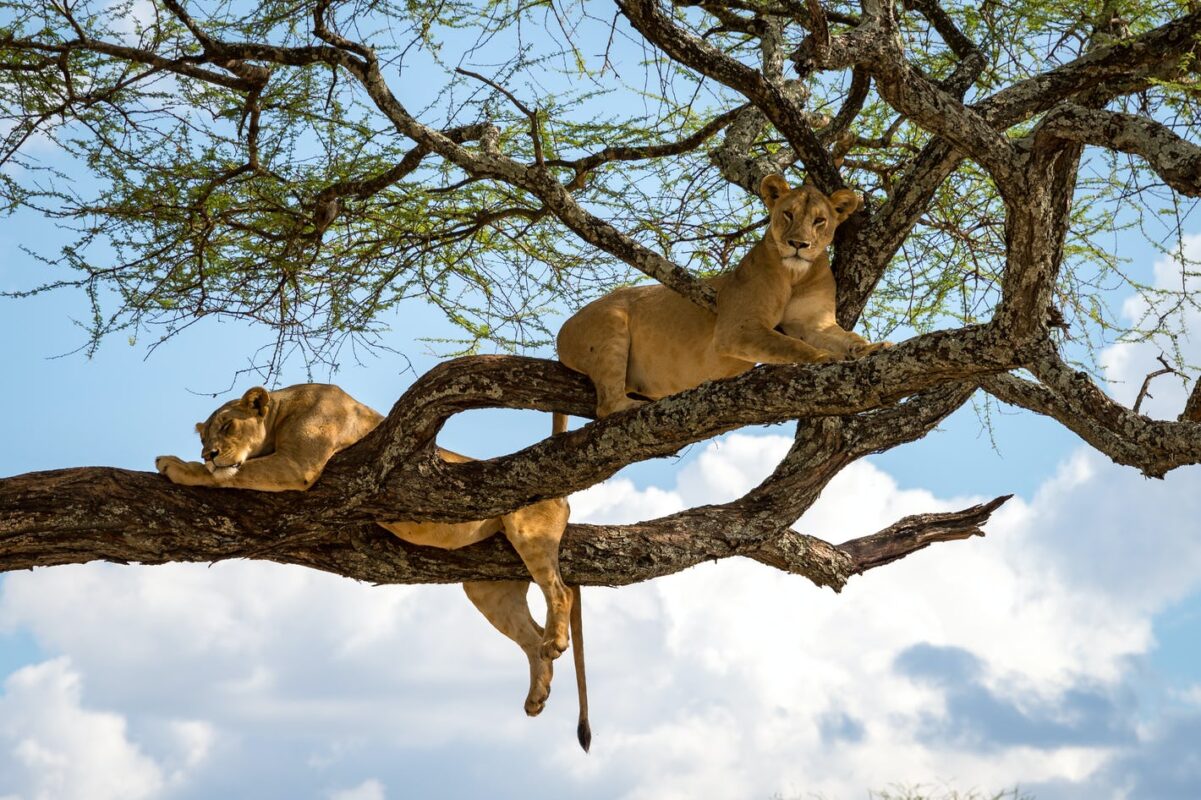
Tree-Climbing Lions
Track Manyara’s iconic lion prides, recognized for resting in the forks of umbrella acacias and mahogany branches to escape biting tsetse flies and catch cooling lake breezes during the midday heat.

Treetop Walkway
Traverse 370 meters of skyway suspension bridges 18 meters above the forest floor. Walk eye-to-eye with blue monkeys, silvery-cheeked hornbills, and butterflies amid towering wild fig trees.
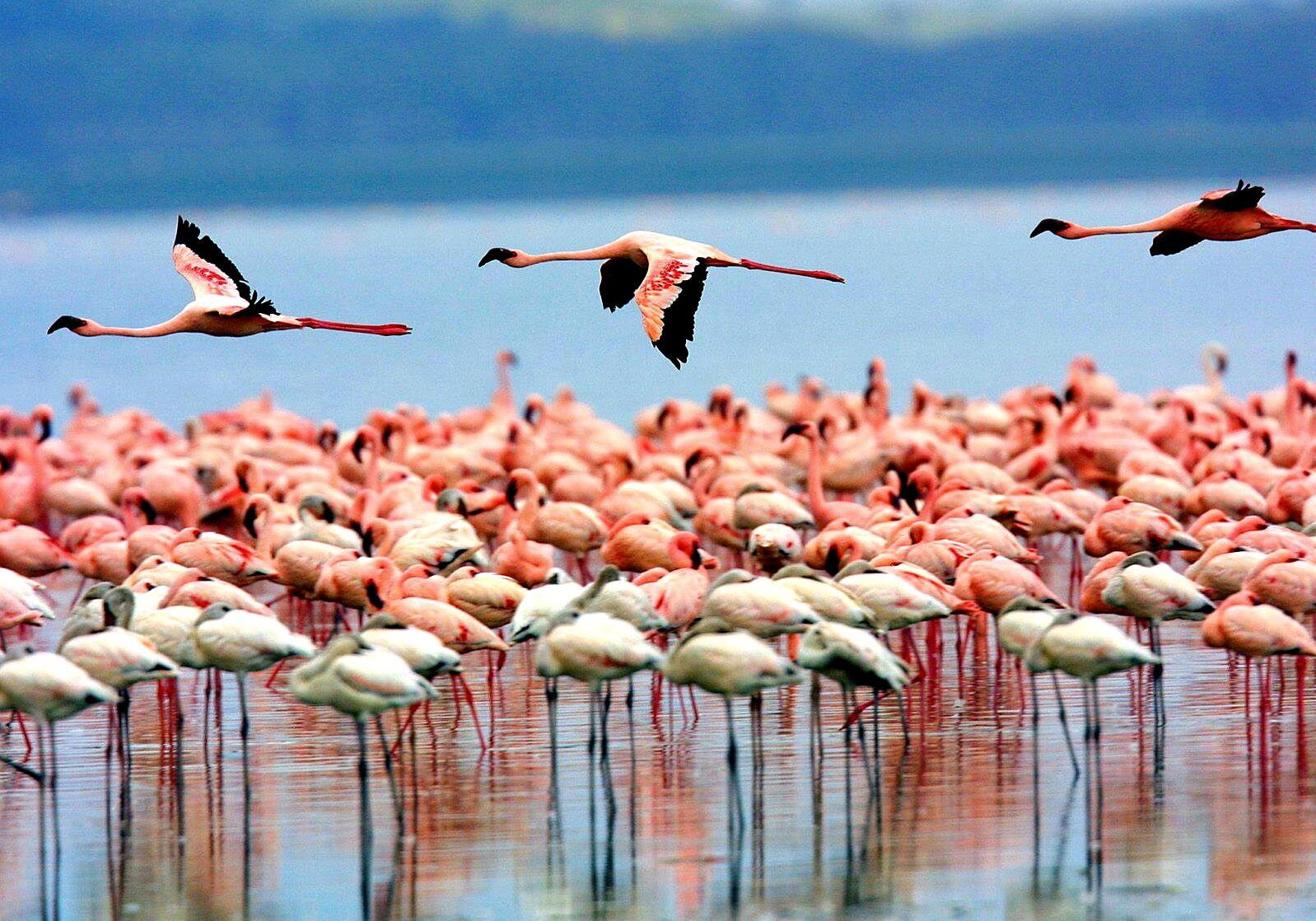
Alkaline Flamingo Flocks
Scan the open saline waters where thousands of lesser flamingos congregate along the shallows to filter-feed on spirulina algae, joined by great white pelicans, storks, and fish eagles along the shoreline.
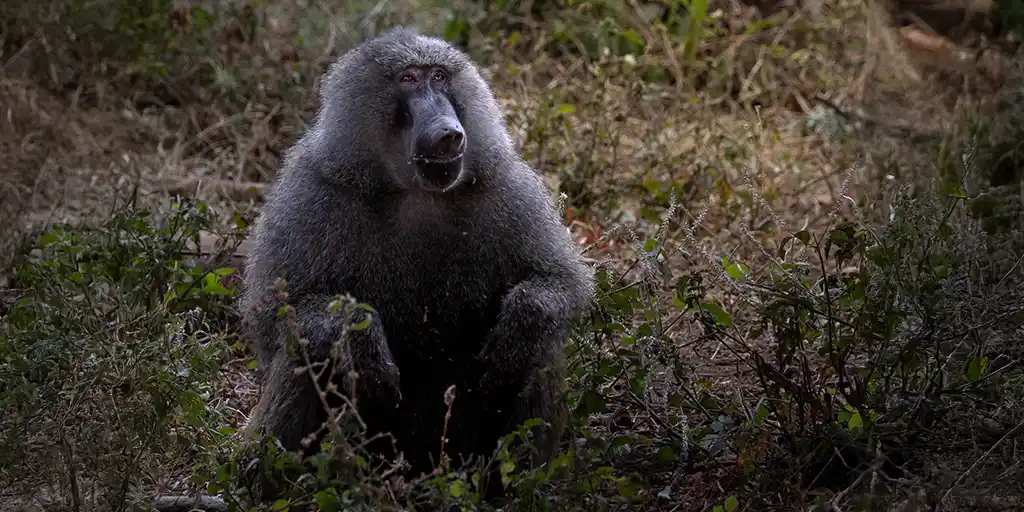
Baboon Troops & Forest Tuskers
Observe massive troops of olive baboons numbering upwards of 150 members foraging through clearings, while compact forest-dwelling elephant herds move between the escarpment and watering streams.

Maji Moto Geothermal Springs
Venture into the park’s remote southern reaches, where boiling mineral waters bubble up through subterranean volcanic fissures at 60°C, creating a steaming wetland habitat for marsh birds and buffaloes.
Escarpment Edge Luxury Sanctuaries
Perched along the cliffs of the Great Rift Valley or tucked inside private forest reserves, our luxury partner properties combine refined architecture with sweeping views. Enjoy cliff-edge infinity pools overlooking the lake basin, secluded treehouse villas, dedicated butler service, and private fine dining.
Staying in premier lodges near the park gates grants prime morning access, letting you explore the groundwater forest in peaceful morning light before day-visitor traffic arrives.
- Infinity pools overlooking the Great Rift Valley and lake basin
- Elevated luxury suites and private glass-front villas
- Fine dining, curated cellar lists, and private forest sundowners
Mto wa Mbu & Highland Lodges
Designed for guests seeking authentic comfort and cultural context at an accessible value, our midrange lodges are located in the green hills of Mto wa Mbu, just 10 to 15 minutes from the national park gate.
These properties offer spacious garden cottages, swimming pools, farm-fresh meals, and quick access to village cultural excursions, banana plantation walks, and mountain bike rides along the escarpment trails.
- Strategic 10-minute access to the park entrance gates
- En-suite chalets nestled in lush gardens with swimming pools
- Farm-to-table menus and optional local village cultural tours
Plan Your Lake Manyara Expedition
Every journey with Grand World Tours is customized around your preferred pacing, wildlife interests, and accommodation standards. Connect directly with our safari planning desk in Arusha to coordinate private guides, canopy permits, and seamless Northern Circuit connections to Tarangire, Ngorongoro, and the Serengeti.
WhatsApp Concierge
Instant permit availability, vehicle bookings, and custom Northern Circuit advice from our field desk.
Safari Planning Desk
Send your travel dates and group details to receive an itemized PDF itinerary within 24 hours.
Arusha Headquarters
Native-owned ground operator managing all 4×4 fleets, permits, and private safari logistics across Tanzania.
Other destinations in
Tanzania
From great national parks to white sand beaches
Popular Trips in Tanzania
Take a look at some of our itineraries and unique experiences — every one of our holidays is designed around you.
Ultimate 3-Day Safari: Explore Serengeti & Ngorongoro
3 Days
Price from
$ 1,450
5 Days – Ndutu Calving Season Safari
5 Days
Price from
$ 3,570
6-Day: Tanzania Northern Safari
6 Days
Price from
$ 2,240
6-Day Ndutu Calving Season & Serengeti Migration Safari, Tanzania
6 Days
Price from
$ $2,435
8 Days Tanzania Migration Safari
8 Days
Price from
$ USD 4,525
Northern Tanzania Signature Safari
9 Days
Price from






%20copy%203.svg)