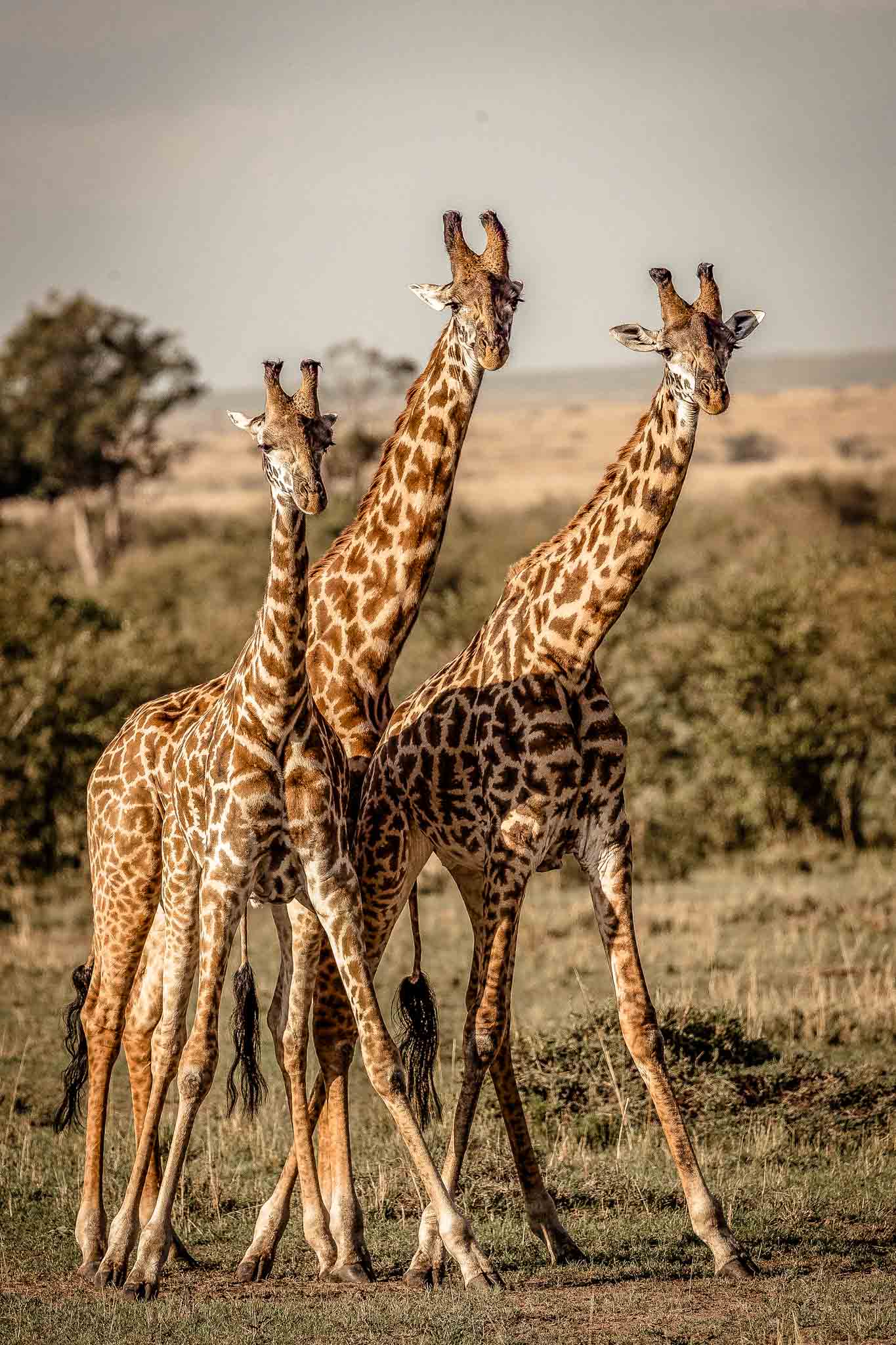
Ruaha National Park
Ruaha National Park Safari: 5 Untamed Southern Circuit Expeditions
Experience an authoritative Ruaha National Park safari across Tanzania’s raw southern heartland. Spanning over 20,000 square kilometers of ancient baobab savannas and sand rivers, Grand World Tours curates private fly-in wildlife journeys connecting massive lion prides, wild dogs, and handcrafted luxury or midrange wilderness outposts.
20,226 km² Domain
One of East Africa’s largest protected wilderness parks, offering total exclusivity away from mass transit.
10% of World’s Lions
Home to famous super-prides numbering 20 to 30 individuals adapted to hunting adult Cape buffalo.
Miombo Meets Acacia
A rare convergence zone where Southern and Eastern African wildlife overlap, hosting Greater and Lesser Kudu.
Msembe & Jongomero
Daily scheduled bush flights directly from Dar es Salaam, Arusha, or Nyerere National Park (Selous).
“Ruaha is Africa as it was a century ago—rugged, vast, and governed entirely by the relentless pulse of the Great Ruaha River.”
Positioned far from the crowded game-drive circuits of the north, Ruaha National Park represents the ultimate destination for the connoisseur safari traveler. Marked by iconic rocky granite kopjes, colossal baobab trees carbon-dated to centuries of age, and the winding dry sand riverbeds of the Mwagusi and Mdonya, Ruaha offers a feeling of genuine isolation that has all but vanished from modern tourism.
During the dry season from June through November, the Great Ruaha River shrinks to precious natural rock pools. This concentrates thousands of buffaloes, immense elephant breeding herds, and antelopes directly along open riverbanks, setting the stage for intense daily predator encounters. Ruaha protects Africa’s second-largest lion population alongside critically endangered African wild dog packs (painted wolves), leopards, and cheetahs.
Every Ruaha National Park safari operated by Grand World Tours is delivered with absolute field integrity. We avoid commercial minibuses entirely, organizing private bush flights and deploying custom open-sided 4×4 Land Cruisers with seasoned resident naturalists. Whether spending evenings on private teak verandas listening to lions roar across the river or relaxing by a campfire under the southern stars, your safari is customized to your preferred pace.
Ruaha Seasonal Dynamics
Optimal Travel Windows
| Season | Months | Wildlife & Landscape Dynamics | Operational Focus |
|---|---|---|---|
| Peak Dry Season | July – October | The Great Ruaha River dries to isolated rocky pools; megafauna and predators concentrate heavily along open sandbanks. Optimal visibility through thinned bush. | High-action predator tracking, dry riverbed drives, escorted walking safaris. |
| Shoulder Dry Season | June & November | Crisp mornings, golden photographic light, and low camp occupancy before the first seasonal rains begin. | Excellent value for wildlife photography and untamed wilderness tracking. |
| Emerald / Green Season | December – May | Lush green savannas, over 570 migratory and resident bird species in vibrant breeding plumage, and wild dog denning activity. | Specialist ornithology, dramatic landscape photography, and intimate low-season lodge rates. |
Five Iconic Ruaha Encounters
Private Wilderness Circuits
Lion Super-Pride Tracking
Track Ruaha’s world-famous mega-prides, frequently numbering 20 to 30 individuals. Witness coordinated daytime hunts as lions patrol sandbanks to target buffalo herds coming down to drink.
African Wild Dog Packs
Ruaha is one of the premier strongholds in Africa for wild dogs (painted wolves). Follow hunting packs at dawn as they race through open scrub and river channels with tactical pack coordination.
Ancient Baobabs & Tuskers
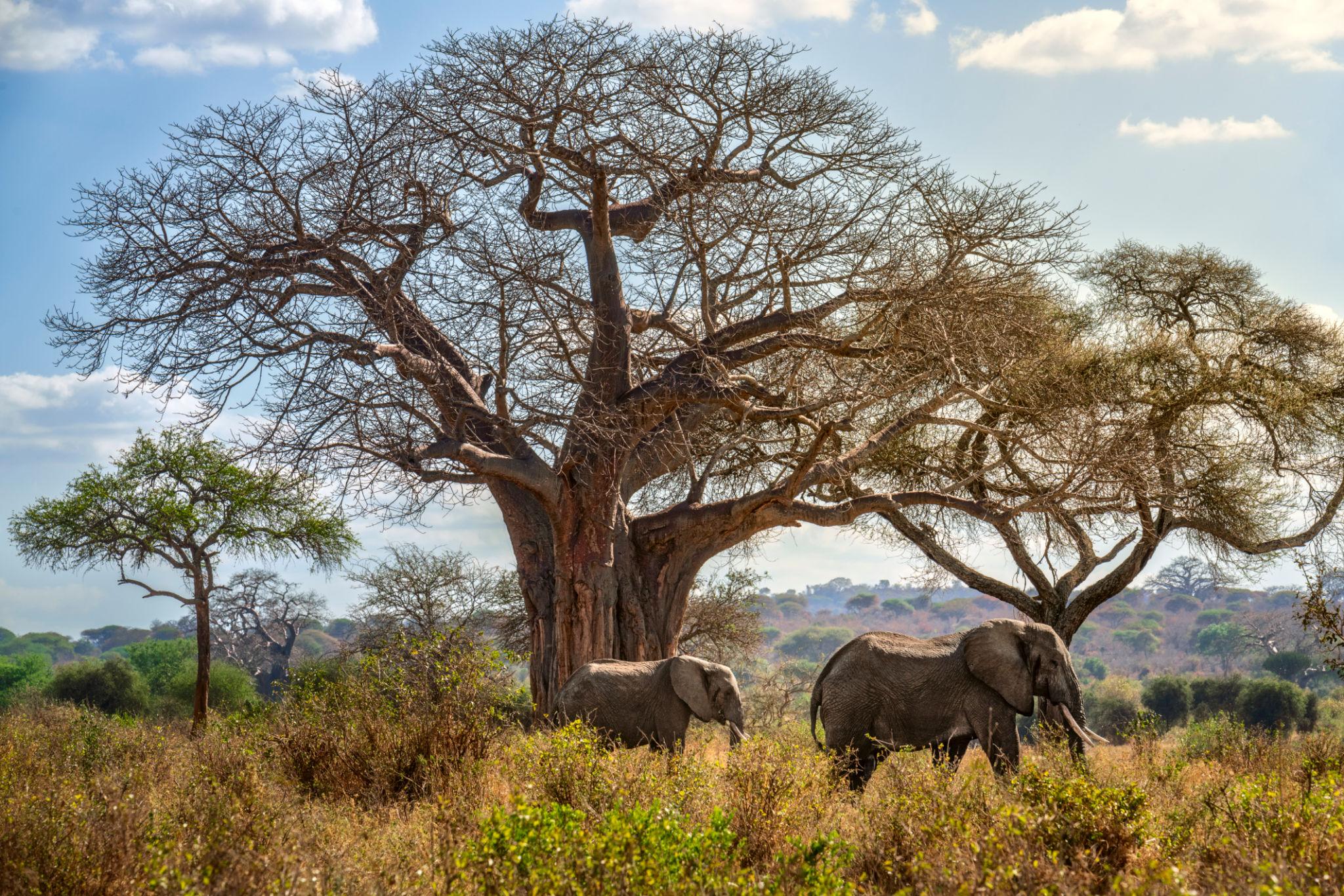
Traverse dramatic landscapes covered in thousands of towering baobabs. Observe family elephant herds digging sand river beds with trunks and tusks to unearth subterranean water sources.
Greater Kudu & Rare Antelopes
Because Ruaha bridges East and Southern Africa, it is one of the rare places to spot both Greater and Lesser Kudu side-by-side, alongside roan antelopes, sable antelopes, and elands.
Escorted Walking Safaris
Step out of the vehicle and explore the bush on foot alongside armed TANAPA rangers and veteran walking guides. Learn tracking, spoor identification, and medicinal botany at ground level.
Exclusive Riverbank Luxury Lodges
Positioned along the prime bends of the Great Ruaha River and remote rocky ridges, our luxury portfolio features ultra-exclusive open-front timber and stone chalets. Enjoy private plunge pools overlooking hippo pods, vintage brass bathtubs, dedicated private safari vehicles, and multi-course dining paired with curated cellar wines.
Experience complete seclusion with private naturalist guides and the rare luxury of exploring thousands of square kilometers of wilderness with barely another vehicle in sight.
- Private riverfront open-air chalets with private plunge pools
- Exclusive-use open 4×4 safari vehicles with dedicated trackers
- Fine dining, premium cellar selections, and private bush dinners
Intimate Permanent Bush Camps
Curated for authentic safari purists seeking comfort, warm hospitality, and genuine bush atmosphere, our midrange portfolio features high-quality canvas tented camps built on raised wooden platforms under thatched roofs.
Featuring spacious en-suite safari tents, solar hot showers, shaded dining verandas, and evening campfires overlooking wildlife paths, our midrange options offer premier wildlife access at exceptional value.
- Comfortable en-suite canvas chalets with private veranda decks
- Excellent wildlife positioning along active seasonal riverbeds
- Hearty farm-to-table cuisine and open-air fire pits under the stars
Plan Your Ruaha Wilderness Safari
Every journey with Grand World Tours is customized around your preferred pacing, private flights, and accommodation standards. Connect directly with our safari planning desk in Arusha to coordinate private guides, bush flight schedules, and seamless Southern Circuit links to Nyerere (Selous) and Zanzibar.
WhatsApp Concierge
Instant bush flight quotes, lodge availability, and custom Southern Circuit planning.
Safari Planning Desk
Send your travel dates and group details to receive an itemized PDF itinerary within 24 hours.
Arusha Headquarters
Native-owned ground operator managing all 4×4 fleets, permits, and private domestic flight charters.
Other destinations in
Tanzania
From great national parks to white sand beaches
Popular Trips in Tanzania
Take a look at some of our itineraries and unique experiences — every one of our holidays is designed around you.
Ultimate 3-Day Safari: Explore Serengeti & Ngorongoro
3 Days
Price from
$ 1,450
5 Days – Ndutu Calving Season Safari
5 Days
Price from
$ 3,570
6-Day: Tanzania Northern Safari
6 Days
Price from
$ 2,240
6-Day Ndutu Calving Season & Serengeti Migration Safari, Tanzania
6 Days
Price from
$ $2,435
8 Days Tanzania Migration Safari
8 Days
Price from
$ USD 4,525
Northern Tanzania Signature Safari
9 Days
Price from






%20copy%203.svg)