A walking safari in Africa lets you leave the vehicle behind and experience the wilderness the way it was meant to be felt: slowly, quietly and on foot. You follow fresh tracks in the sand, learn to read the bush from your guide and discover the small wonders a vehicle passes by, from dung beetles to medicinal plants. Grand World Tours operates in Tanzania, Kenya and Zanzibar, and this guide explains the best places, the best time to go, how safety works and 10 things to experience on foot.
In this guide
Why Choose a Walking Safari in Africa
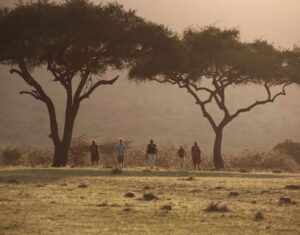
A game drive shows you the animals. A walking safari in Africa shows you the wilderness. On foot, every sense is awake: you smell wild sage after the rain, hear the alarm call of a bird and feel the ground beneath you. Your guide slows the pace and explains tracks, plants, insects and animal behaviour, so the whole landscape becomes part of the story.
•
•
•
•
Best Places for a Walking Safari in Africa
Walking is only allowed in certain areas, and always with a qualified guide. We plan your route around the places where it is permitted and rewarding.
Tanzania
•
•
•
•
Kenya
•
•
Rules change between parks and conservancies, so we confirm what is permitted for your dates when we plan your trip.
Best Time for a Walking Safari in Africa
•
•
•
Walks take place in the early morning, when it is cool and animals are active, and sometimes again in the late afternoon.
What to Expect on a Walking Safari in Africa
•
•
•
•
•
Is a Walking Safari in Africa Safe?
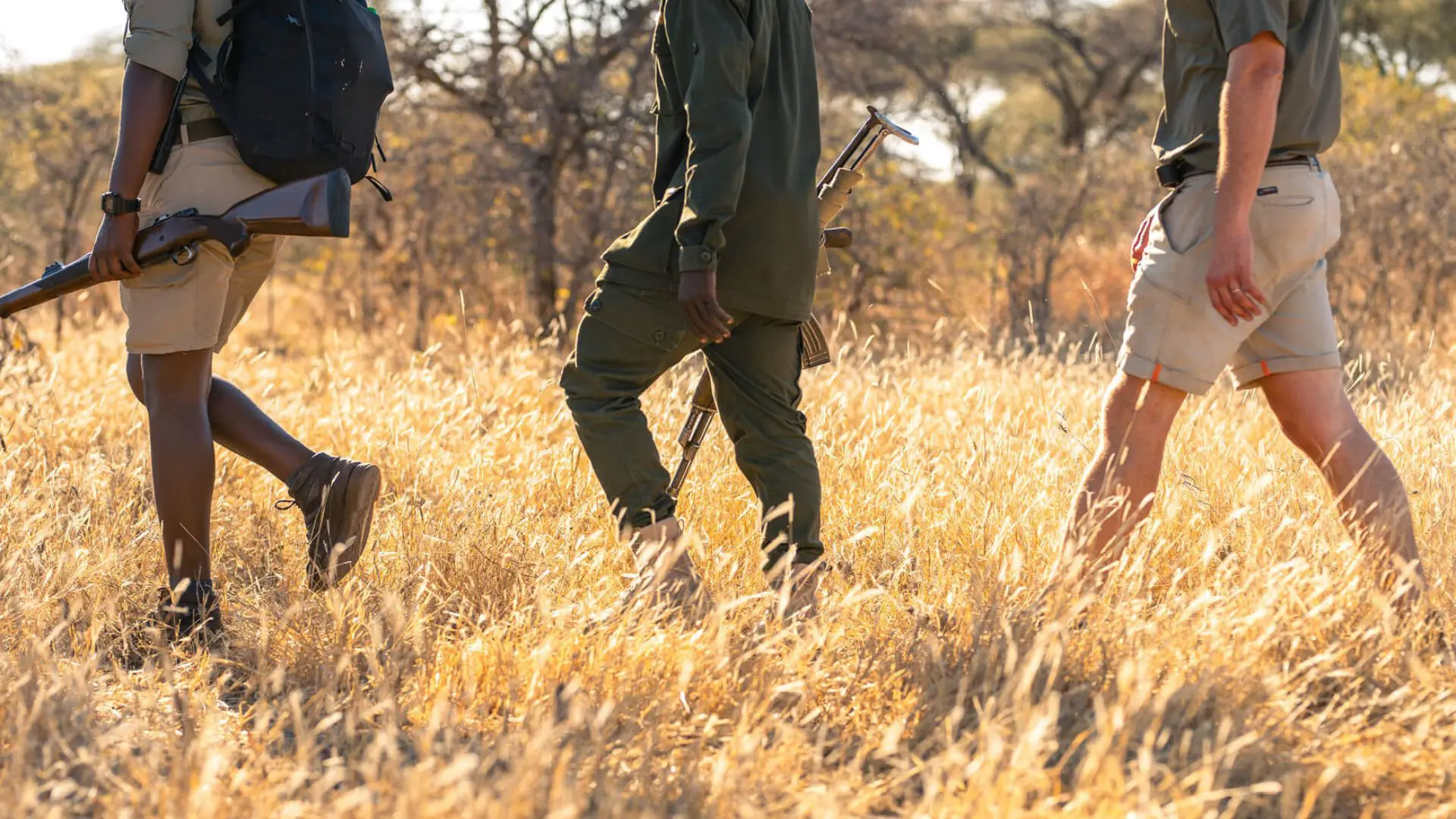
Yes, when it is led by trained professionals who follow strict rules. A walking safari in Africa is carefully managed, and your guide decides the route according to the wildlife and conditions on the day. Your safety depends on a few simple habits:
•
•
•
•
Wildlife is unpredictable, so no outdoor activity is risk-free. Please speak to your doctor if you have any health concerns.
What to Pack for a Walking Safari in Africa
•
•
•
•
•
•
Top 10 Things to Experience on a Walking Safari in Africa
1.
2.
3.
4.
5.
6.
7.
8.
9.
10.
Why Pick Grand World Tours for Your Walking Safari in Africa?
Grand World Tours is a Tanzania-based company operating in Tanzania, Kenya and Zanzibar, with trusted partners in Uganda, Namibia and South Africa. Our founder began as a professional safari guide, so we plan every walking safari in Africa with real field experience and a focus on safety.
•
•
•
•
•
For official park information, visit Tanzania National Parks and the Kenya Wildlife Service. The Serengeti is also a UNESCO World Heritage Site.
Frequently Asked Questions About a Walking Safari in Africa
What is a walking safari?+
A walking safari is a guided journey on foot through the wilderness. Instead of watching from a vehicle, you follow tracks, learn about plants and insects and experience the bush up close.
Is a walking safari in Africa safe?+
It is carefully managed and led by trained guides, and rangers where required. You must follow their instructions at all times. As with any wildlife activity, some risk remains.
Do I need to be very fit?+
No. A normal level of fitness is enough, because the pace is slow and the ground is mostly flat or gently rolling.
What is the best time for a walking safari in Africa?+
June to October is the classic dry season, with cool mornings and firm ground. January and February are also good. The green season is lush but can be wet.
Can children join a walking safari?+
Minimum ages vary by park and camp, and are often around 12 or older. We will tell you what applies to your group when we plan your trip.
Can I combine walking with game drives?+
Yes. Most guests enjoy a walk in the morning and a game drive later, so they see both the small details and the big wildlife.
Will I see lions and elephants on foot?+
Walks focus on tracks, plants, birds and plains game. Your guide decides whether it is safe to approach larger animals, and we cannot guarantee any sighting. Big cats and elephants are best viewed from a vehicle.
Do you also arrange safaris in Uganda, Namibia and South Africa?+
Yes. We operate in Tanzania, Kenya and Zanzibar and work with trusted partners in Uganda, Namibia and South Africa.
Plan Your Walking Safari in Africa
Ready to start your walking safari in Africa? Tell us when you want to travel and how active you would like to be, and we will design a journey that combines walks and game drives.