PHOTOGRAPHIC SAFARI
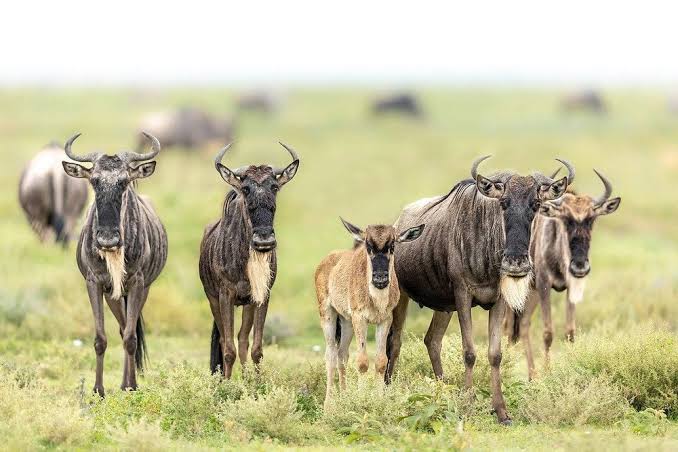
A photographic safari in Tanzania and Kenya is a journey built around light, patience and the perfect moment. Golden dawns over the Serengeti, elephants beneath Kilimanjaro and lions on the Maasai Mara plains give photographers of every level extraordinary subjects. Grand World Tours operates in Tanzania, Kenya and Zanzibar, and this guide explains the best places, the best time to go, the gear to bring and 10 tips for stunning wildlife photos.
In this guide
What Is a Photographic Safari in Tanzania and Kenya?
A photographic safari is planned around the camera rather than the clock. Instead of rushing between sightings, you stay longer with the animals, choose positions with the best light and travel at the pace a photographer needs. The itinerary follows the light, the wildlife and your creative goals.
A photographic safari in Tanzania and Kenya suits beginners with a phone or a simple camera as well as experienced photographers with long lenses. What matters is time, a patient guide and a vehicle set up for shooting.
Best Places for a Photographic Safari in Tanzania and Kenya
Tanzania
•
•
•
•
Kenya
•
•
•
Best Time for a Photographic Safari in Tanzania and Kenya
•
•
•
Where to Stay and How You Travel
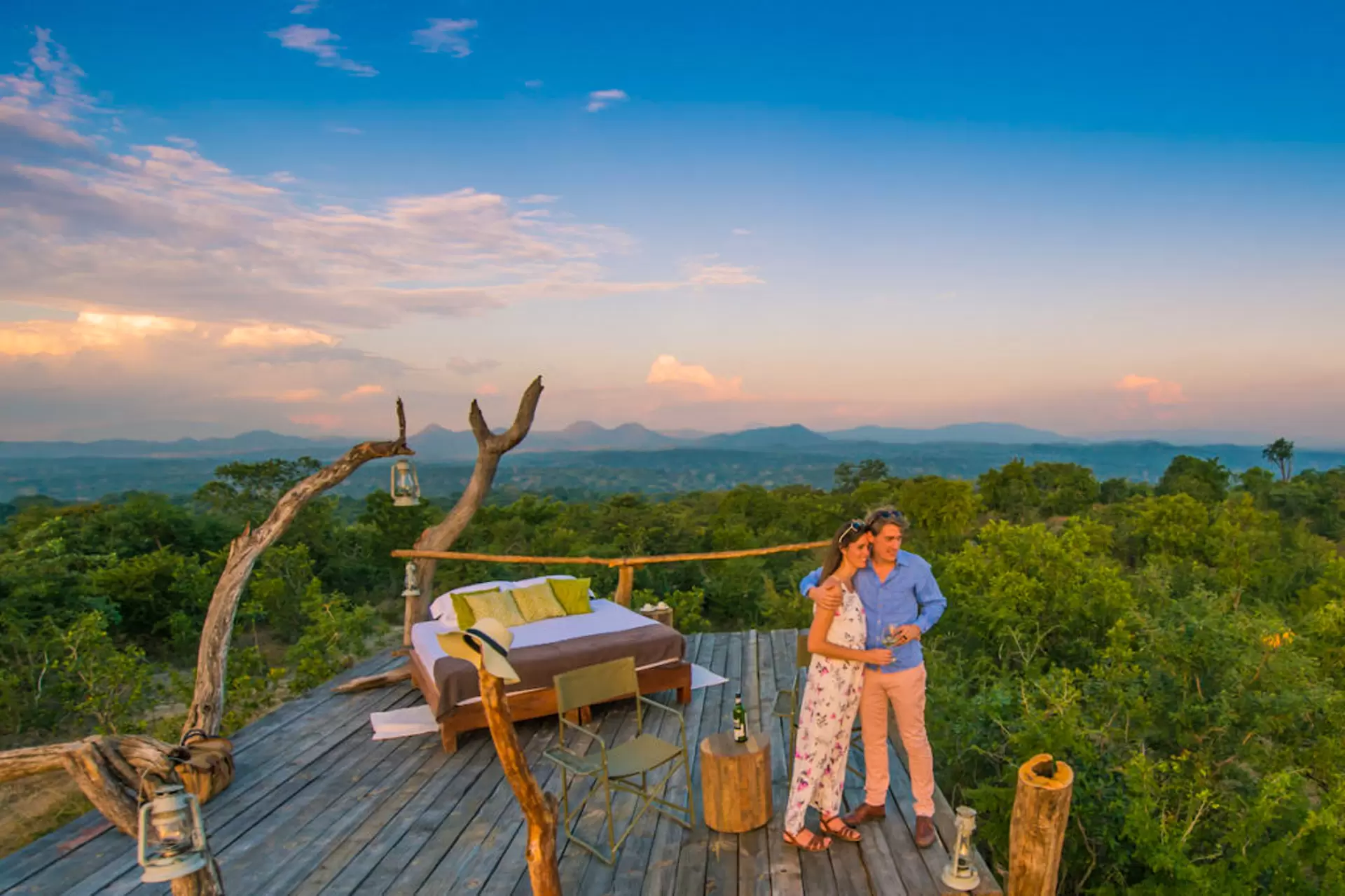
We recommend sleeping inside the national parks. You are in position for the best light at dawn and dusk, and you spend less time on the road. Read our guide to where to stay on a Tanzania safari for more detail.
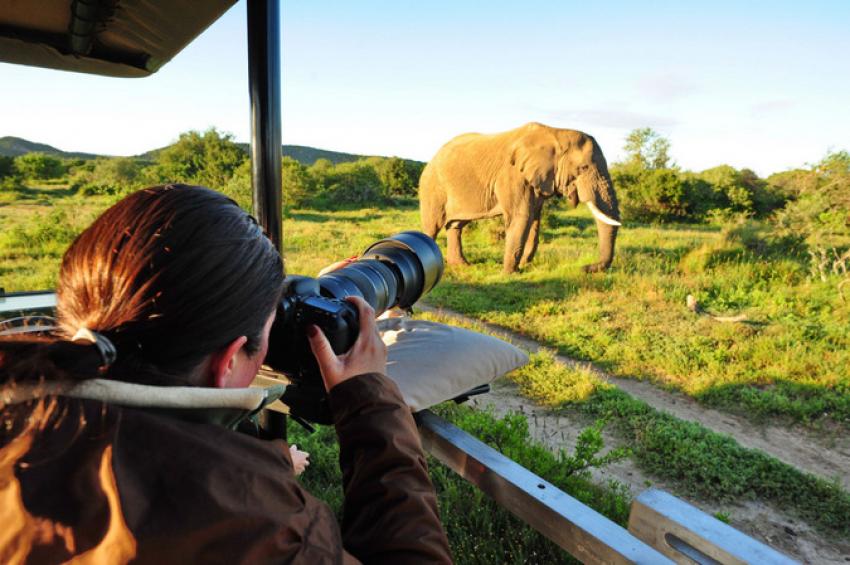
A private safari vehicle with a pop-up roof gives every photographer a window seat and the freedom to stay as long as needed at a sighting. Your guide will position the vehicle so the light falls on the animal and the background stays clean.
What equipment should I bring on a photographic safari?
•
•
•
•
•
•
Top 10 Tips for a Photographic Safari in
1.
2.
3.
4.
5.
6.
7.
8.
9.
10.
Why Pick Grand World Tours for Your Photographic Safari?
Grand World Tours is a Tanzania-based company operating in Tanzania, Kenya and Zanzibar, with trusted partners in Uganda, Namibia and South Africa. Our founder began as a professional safari guide, so we plan every photographic safari in Tanzania and Kenya around real experience in the field.
•
•
•
•
•
For official park information, visit Tanzania National Parks and the Kenya Wildlife Service. The Serengeti is also a UNESCO World Heritage Site.
Frequently Asked Questions About a Photographic Safari in Tanzania and Kenya
What is a photographic safari?+
A photographic safari is planned around photography, with more time at each sighting, a focus on the best light and a vehicle and guide set up for shooting.
Do I need a professional camera?+
No. A photographic safari in Tanzania and Kenya suits every level, from a modern phone to a professional camera with long lenses.
What is the best time for a photographic safari in Tanzania and Kenya?+
June to October is the classic dry season. January and February suit newborn animals in the southern Serengeti. November and March to May offer dramatic skies and fewer vehicles.
How many days do we need?+
We suggest 5 to 7 days for a first photographic safari. Photographers wanting Tanzania and Kenya together should allow 9 days or more.
What lens is best for safari photography?+
A telephoto zoom in the 100-400mm or 200-600mm range is the most useful. Add a wide or standard zoom for landscapes and nearby animals.
Can I bring a drone?+
Drones are generally restricted in national parks and reserves. Please check current rules with us before you travel.
Do you provide a private vehicle?+
Yes. Our safaris use private vehicles with a pop-up roof and an experienced local guide.
Can we add a beach stay after the safari?+
Absolutely. Zanzibar is a popular ending to a photographic safari, and we can arrange it in the same itinerary.
Plan Your Photographic Safari in Tanzania and Kenya
Ready to start your photographic safari in Tanzania and Kenya? Tell us what you love to shoot and how much time you have, and we will design a journey around the light.
Enquire about your photographic safari today →
Continue reading