Tanzania Safari: The Ultimate Guide to Africa’s Greatest Wildlife Adventure
Your Complete Tanzania Safari Travel Guide | Wildlife, Parks, Tips & Best Time to Visit
Why a Tanzania Safari Should Be on Every Traveller’s Bucket List
There are places on this earth that stop you in your tracks — places so raw, so ancient, and so breathtakingly alive that no photograph can truly do them justice. Tanzania is one of those places. A Tanzania safari is not simply a holiday; it is a profound encounter with nature at its most majestic. From the endless golden plains of the Serengeti National Park to the mist-shrouded crater of the Ngorongoro Conservation Area, this East African gem offers a wildlife experience unlike anywhere else on the planet. Whether you are a first-time traveller or a seasoned safari veteran, Tanzania will leave an indelible mark on your soul.
In this comprehensive Tanzania safari travel guide, we cover everything you need to know the best national parks to visit, the iconic wildlife you will encounter, the ideal time to go, and insider tips to make your African safari adventure as unforgettable as possible.
The Serengeti: Heart of the Tanzania Safari Experience
No Tanzania safari is complete without spending time in the Serengeti National Park, one of the most celebrated wildlife destinations on earth. Spanning over 14,750 square kilometres of sweeping savanna, acacia woodland, and rocky kopjes, the Serengeti is a living, breathing wildlife theatre that never disappoints. The park is home to the Big Five — lion, leopard, elephant, buffalo, and rhino — as well as cheetahs, wild dogs, hippos, crocodiles, and countless species of birds.
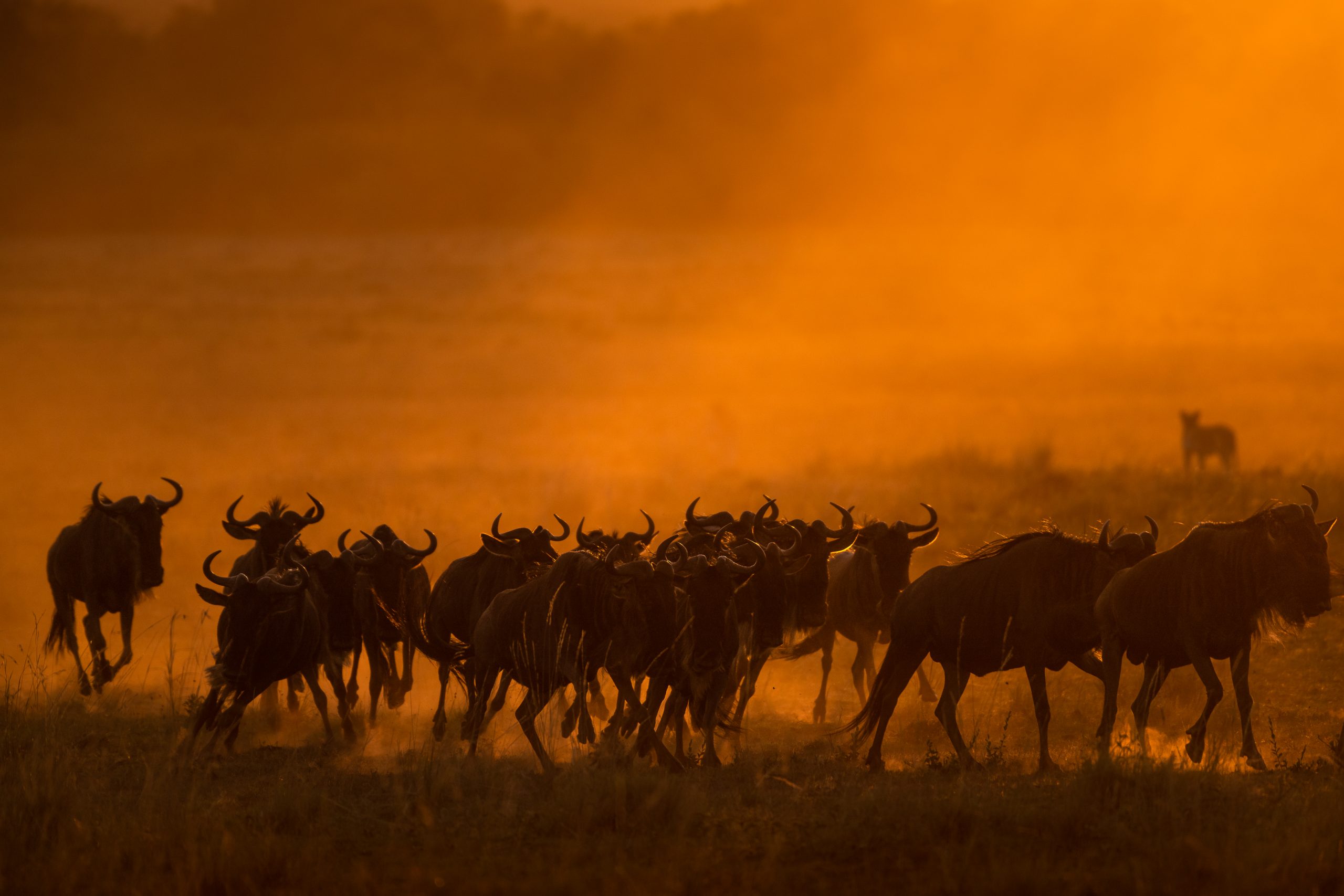
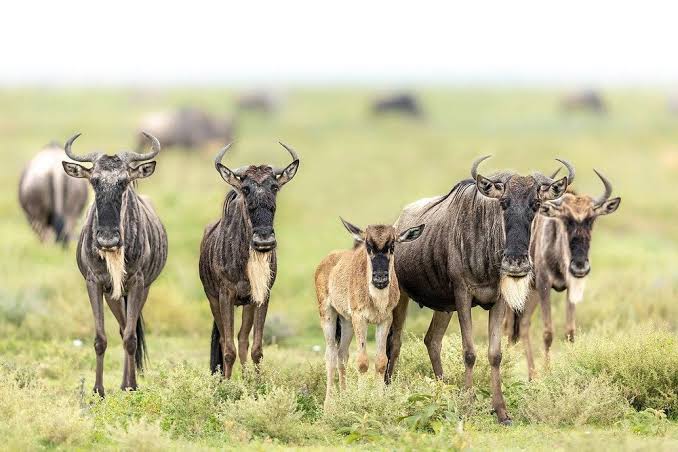
The Serengeti is most famous for hosting the Great Migration, one of the greatest natural spectacles on the planet. Every year, more than 1.5 million wildebeest, joined by hundreds of thousands of zebras and gazelles, undertake a dramatic circular journey across the Serengeti and into Kenya’s Masai Mara in search of fresh grass and water. Witnessing a river crossing during the migration — where thousands of animals plunge into crocodile-infested waters in a thundering, desperate surge — is widely regarded as one of the most extraordinary wildlife moments a human being can witness. Planning your Serengeti safari around the Great Migration is an experience that will stay with you for the rest of your life.
Ngorongoro Crater: A Natural Wonder Unlike Any Other
Just a few hours’ drive from the Serengeti lies the Ngorongoro Crater, the world’s largest intact volcanic caldera and one of the most wildlife-dense areas on the African continent. Formed when a massive volcano collapsed inward millions of years ago, the crater floor stretches across 260 square kilometres and is home to approximately 25,000 large animals, including one of Africa’s last remaining populations of the critically endangered black rhino.
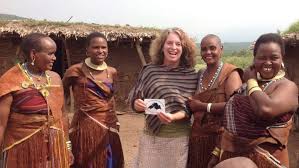
A game drive into the Ngorongoro Crater feels like descending into a lost world. Dense forests give way to open grasslands, soda lakes shimmer with flocks of pink flamingos, and predators are seen with remarkable regularity. Lions rest lazily in the midday sun, hyenas patrol the crater floor in clans, and elephants with extraordinary tusks move through the landscape like ancient kings. The Ngorongoro Conservation Area also offers a unique cultural dimension — the Maasai people have coexisted with wildlife here for generations, and visiting a Maasai village is a deeply enriching addition to any Tanzania safari itinerary.
Tarangire National Park: Tanzania’s Hidden Gem
While the Serengeti and Ngorongoro receive the lion’s share of attention, savvy safari-goers know that Tarangire National Park is one of Tanzania’s best-kept secrets. Located in the Manyara Region, Tarangire is famous for its enormous elephant herds — during the dry season, it hosts one of the highest concentrations of elephants in Africa, with herds of up to 300 animals gathering around the life-giving Tarangire River.
The park’s landscape is dramatic and distinctive, dominated by ancient baobab trees that tower over the golden grasslands like prehistoric giants. Tarangire is also a birder’s paradise, with over 550 recorded bird species making it one of the finest birdwatching destinations in East Africa. For travellers who want a more intimate safari experience away from the crowds, Tarangire offers exceptional game viewing in a setting of extraordinary natural beauty.
The Best Time to Visit Tanzania for a Safari
Timing is everything when planning your Tanzania safari trip. The country’s wildlife calendar is largely shaped by two main seasons: the dry season and the wet season. The dry season, which runs from late June through October, is generally considered the best time for game viewing. Vegetation is sparse, animals congregate around water sources, and roads are easier to navigate. This is also the peak period to witness the Great Migration river crossings in the northern Serengeti.
The short dry season from January to February is another excellent window for safari, particularly in the southern Serengeti where the wildebeest calving season takes place. Tens of thousands of calves are born within a matter of weeks, attracting large numbers of predators and creating some of the most dramatic wildlife encounters of the year. The green season, from November through May, brings lush landscapes, fewer tourists, lower prices, and superb birdwatching — a rewarding time for those who prefer a quieter, more personal bush experience.
Wildlife You Will Encounter on a Tanzania Safari
Tanzania’s extraordinary biodiversity is what sets it apart from every other African safari destination. The country protects roughly 38% of its land area in national parks, game reserves, and conservation areas — a remarkable commitment to wildlife preservation. On a typical Tanzania safari, you can expect to encounter lions hunting at dawn, leopards draped lazily over acacia branches, massive elephant bulls moving silently through the bush, and cheetahs sprinting across open plains at breathtaking speed.
Beyond the Big Five, Tanzania is home to giraffe, zebra, wildebeest, topi, eland, impala, warthog, baboon, vervet monkey, and dozens of other species. The country’s lakes and rivers teem with hippos and Nile crocodiles, while the skies overhead are alive with raptors, storks, herons, and the iconic lilac-breasted roller. Tanzania is also one of the few places in Africa where you can realistically see all members of the Big Five on a single game drive — a testament to the sheer richness of its wildlife.
Where to Stay: Tanzania Safari Lodges and Camps
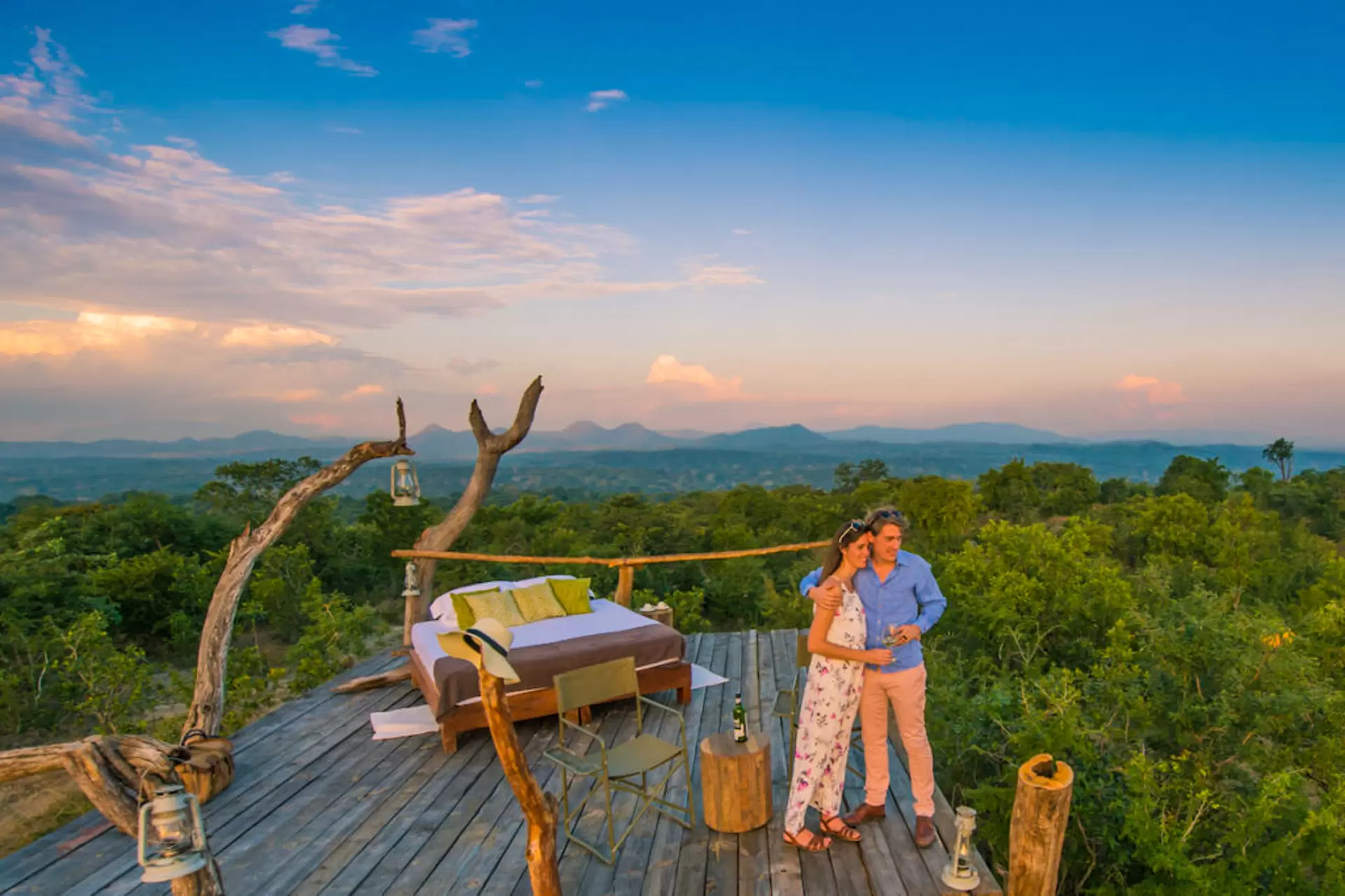
Accommodation on a Tanzania luxury safari ranges from tented bush camps perched on private concessions to world-class lodges with infinity pools overlooking the Serengeti plains. Staying inside or on the border of the national parks allows for early morning and late evening game drives, when wildlife is most active. Mobile tented camps that follow the migration offer an immersive, authentic bush experience, while permanent lodges provide exceptional comfort after long days in the field.
For those seeking a true immersion in the African wilderness, fly camping — sleeping under the stars in a remote bush setting with minimal infrastructure — is the ultimate Tanzania safari adventure. Many premier operators offer multi-day walking safaris accompanied by expert guides and armed rangers, allowing guests to experience the bush at ground level and develop a deep appreciation for the smaller details of the ecosystem that a vehicle-based safari might miss.
Practical Tips for Planning Your Tanzania Safari
Planning a successful Tanzania safari holiday requires careful consideration of several key factors. First, choose a reputable and licensed safari operator who has deep local knowledge and a genuine commitment to sustainable tourism. Tanzania’s best operators work with community conservation programmes and ensure that tourism revenue benefits local Maasai and other indigenous communities.
Second, pack appropriately. Neutral-coloured, lightweight clothing is ideal for game drives, along with a warm layer for early morning starts when temperatures on the open plains can be surprisingly cool. High-quality binoculars, a good camera with a long zoom lens, and a reliable hat and sunscreen are essential companions. Third, ensure your health preparations are in order — consult your doctor about malaria prophylaxis, yellow fever vaccination requirements, and travel insurance well in advance of your departure date.
Finally, approach your Tanzania safari with patience and an open mind. Wildlife does not perform on command, and some of the most memorable bush moments come from simply sitting in stillness and allowing Africa to reveal herself at her own pace. The rustle of grass before a lion emerges, the distant rumble of an elephant herd, the crimson blaze of an East African sunset over the Serengeti — these are the moments that make a Tanzania safari one of the most profound experiences a human being can have.
Final Thoughts: Tanzania Safari — A Journey That Changes You
A Tanzania safari is more than a travel experience — it is a reminder of what the world looked like before we arrived, and a powerful argument for why it must be protected for generations to come. From the thundering herds of the Serengeti to the silent, volcanic majesty of the Ngorongoro Crater, Tanzania offers a connection to the natural world that is increasingly rare and infinitely precious.
Whether you are planning a honeymoon safari, a family adventure, a solo expedition, or a once-in-a-lifetime bucket list trip, Tanzania will deliver beyond your highest expectations. Book wisely, travel responsibly, and prepare to have your heart stolen by one of the last great wildernesses on earth.






%20copy%203.svg)