Kenya’s most beautiful beaches — a guide to the country’s finest coastal escapes
Kenya is rightfully celebrated as one of the world’s great safari destinations, but its coastline is a secret that far too few travellers discover. Stretching along the warm, clear waters of the Indian Ocean, Kenya’s beaches combine powdery white sand, vibrant coral reefs, ancient Swahili culture, and a laid-back tropical atmosphere that makes them the perfect complement to any inland wildlife adventure. Whether you are looking for luxury and lively water sports, quiet eco-retreats, or a deep dive into centuries of coastal history, Kenya’s shores have something extraordinary to offer. Here is your complete guide to the country’s four most celebrated beach destinations.
Diani Beach
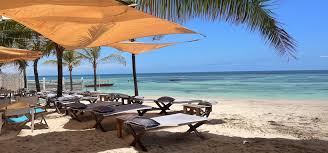
If you could design the perfect beach from scratch — silky white sand underfoot, turquoise water stretching to the horizon, swaying palms overhead, and a warm breeze carrying the faint scent of the ocean — the result would look very much like Diani. This is Kenya’s most celebrated stretch of coastline, and it earns that reputation completely.
Diani Beach lies on Kenya’s south coast, approximately 30 kilometres south of Mombasa, and is widely regarded as the country’s finest beach destination. Stretching for over 25 kilometres, it is a place of genuine, unhurried beauty — long enough that it never feels crowded, wide enough that the world always seems a little quieter here, and backed by a lush curtain of tropical forest that provides shade, wildlife, and an atmosphere unlike any other beach in East Africa. The sand is the kind of powdery, fine-grained white that squeaks underfoot, and the water is a succession of translucent blues and greens that seem almost too vivid to be real.
What makes Diani stand apart from other beach destinations is the remarkable range of experiences available along its length. For the adrenaline-seekers, the consistent trade winds that blow along the south coast make Diani one of the premier kite-surfing and windsurfing destinations in Africa, with several world-class schools operating on the beach and conditions suitable for both beginners and advanced riders. The coral reef that parallels the shore creates excellent snorkelling and diving just a short swim from the beach, with visibility often exceeding twenty metres and marine life ranging from colourful reef fish to moray eels, rays, and green sea turtles that nest along the shoreline.
For those who prefer gentler pleasures, boat trips from Diani’s small harbours carry visitors south to Wasini Island and the Kisite-Mpunguti Marine Park — one of East Africa’s most pristine marine protected areas, where dolphin watching in the open channel and snorkelling over some of the most spectacular coral in the Indian Ocean are regular features of a morning excursion. The dolphins here — primarily spinner and bottlenose species — are remarkably reliable, and encounters in the wild are a highlight of any coastal visit. Beach horse riding, cycling along the shore, and leisurely sundowner cruises on traditional dhows round out an activity list that suits every pace and temperament.
Diani is also exceptionally well served by accommodation. From intimate boutique guesthouses to expansive five-star beach resorts with sprawling pools, private beach access, and acclaimed restaurants, the range of lodging here is as broad and polished as the beach itself. It is the natural choice for honeymooners, families, and any traveller who wants to end a Kenya safari in genuine style — arriving at the coast sun-kissed and exhilarated, with nothing left to do but sit beside the ocean and let the sound of the waves do the rest.Best time to visit
December to March brings hot, sunny days and calm, glassy seas ideal for swimming, snorkelling, and water sports. July to October offers slightly cooler temperatures but remains excellent for beach stays and safari combinations, and is particularly good for kite surfing due to stronger winds.
Nyali Beach
Nyali offers a rare combination in beach travel: the genuine beauty of an Indian Ocean shoreline — soft sand, warm water, cooling breezes — paired with the ease and energy of one of East Africa’s most fascinating cities just minutes away. Here, you never have to choose between the beach and the city. You can have both.
Nyali Beach sits on the northern outskirts of Mombasa, making it the most urban of Kenya’s major beach destinations and also one of its most convenient. The beach itself is lovely — a long, sheltered arc of soft sand and gentle surf, framed by casuarina trees and lined with some of the coast’s best-known resort hotels. The water here is calmer than the open south coast, sheltered by offshore reefs that also make it an excellent snorkelling destination, particularly for visitors who prefer not to venture far from shore.
What truly distinguishes Nyali from Kenya’s other beach destinations is its unique relationship with Mombasa — East Africa’s oldest and most storied coastal city. From Nyali, the Old Town is just a short drive across the Nyali Bridge, and its narrow streets, centuries-old Swahili architecture, ornately carved wooden doors, and bustling spice and fabric markets make for a fascinating half-day or full-day exploration. Fort Jesus — a sixteenth-century Portuguese fortification and UNESCO World Heritage Site — stands at the edge of the Old Town as a monument to the extraordinary layered history of the East African coast, shaped by Arab traders, Portuguese explorers, Omani sultans, and British colonialists over more than five centuries.
The proximity of Mombasa Marine National Park means that excellent snorkelling is available within minutes of Nyali’s beachfront hotels. The park’s protected reef is home to a remarkable diversity of coral and fish life, and glass-bottom boat tours operate regularly from the northern beaches, offering a dry-feet alternative to explore the underwater world. Sailing on traditional dhows — the elegant wooden vessels that have plied these waters for over a thousand years — remains one of the most atmospheric and memorable experiences available along this stretch of coast, and sunset dhow cruises from Nyali are particularly beautiful.
For travellers who want a beach stay that is as culturally rich as it is relaxing, and who value access to good restaurants, shopping, and city life alongside their time on the sand, Nyali strikes a balance that no other Kenyan beach destination quite matches. It is especially popular with families and with visitors who are combining a short coastal extension with a broader Kenya itinerary and do not want to travel far from Mombasa’s international airport.
December to March offers the warmest weather and calmest seas. June to October brings slightly cooler and breezier conditions that are still very comfortable, and the reduced humidity of the dry season makes city exploration particularly pleasant.
Watamu Beach
Watamu is for the traveller who wants the Indian Ocean at its most natural and unhurried. Quieter than Diani, less urban than Nyali, and more intimately connected to the living reef and its extraordinary inhabitants, this is where Kenya’s coastline reveals its most ecologically pure and genuinely beautiful face.
Watamu Beach is located in Kilifi County, approximately 105 kilometres north of Mombasa, and forms part of the Watamu Marine National Park and Reserve — one of Kenya’s most important and best-preserved marine protected areas. The beach itself is a series of small, sheltered coves separated by rocky outcroppings and backed by casuarina woodland, giving it a more intimate and secluded character than the long, open beaches of the south coast. The water is typically very calm and exceptionally clear, and the reef systems that lie just offshore are among the healthiest and most biodiverse on the entire East African coastline.
Watamu’s greatest natural treasure is its sea turtle population. Green and hawksbill turtles have been nesting on these beaches for centuries, and the Local Ocean Trust — a conservation organisation based in Watamu — runs one of the most respected sea turtle research and protection programs in Africa. Visitors can participate in turtle monitoring walks along the beach, learn about the life cycle and conservation status of these ancient creatures, and in the right season, witness the extraordinary spectacle of hatchlings making their first journey to the sea. Snorkelling and diving in the marine park regularly produces close encounters with free-swimming turtles in the coral gardens — an experience of rare, unhurried beauty.
The diving and snorkelling at Watamu is consistently rated among the finest on the Kenyan coast. The coral formations are elaborate and largely intact, the fish populations are dense and diverse — parrotfish, surgeonfish, lionfish, and schools of snapper among hundreds of species — and the visibility is often exceptional, particularly between October and March when the seas are at their calmest. Kayaking along the coastline, exploring sea caves and rock pools at low tide, and taking boat safaris further into the reserve to reach the more remote reef systems are all popular ways to experience the marine environment at your own pace.
Beyond the water, Watamu offers an increasingly appealing base for exploring the broader northern coast. The Arabuko-Sokoke Forest — one of East Africa’s last remaining coastal dry forests and a globally important bird area — lies just inland from the beach and is home to rare and endemic species including the Sokoke scops owl, Clarke’s weaver, and the golden-rumped elephant shrew. Guided nature walks through the forest add a completely different dimension to a coastal stay, and the combination of reef, beach, forest, and cultural heritage makes Watamu one of the most naturally diverse destinations in Kenya.
October to March is the prime season for calm seas, excellent diving visibility, and sea turtle nesting activity. July to September offers cooler, drier conditions ideal for forest walks, birdwatching, and outdoor exploration.
Malindi Beach
Malindi is not just a beach — it is a place where the Indian Ocean laps at the edges of a five-hundred-year-old story. This is a town shaped by Vasco da Gama’s arrival in 1498, by centuries of Arab and Swahili trade, and by a more recent Italian cultural presence that gives its restaurants, architecture, and street life an utterly distinctive character found nowhere else on the East African coast.
Malindi lies on Kenya’s northern coast in Kilifi County, approximately 120 kilometres north of Mombasa, and is one of the oldest continuously inhabited settlements on the East African seaboard. Its beach — a long, gently curving stretch of white sand facing the open Indian Ocean — is beautiful in the classic sense, with warm water, reliable sunshine, and a relaxed, unhurried atmosphere. But what sets Malindi apart from every other beach destination in Kenya is the extraordinary depth of its history and the cultural richness that permeates every corner of the town.
The Vasco da Gama Pillar, erected by the Portuguese explorer on his historic visit to Malindi in 1498, stands near the southern headland of the beach and is one of the oldest European monuments in sub-Saharan Africa. Nearby, the ruins of the old Swahili town — mosques, tombs, and coral-stone buildings dating back centuries — tell the story of a prosperous trading community that was already ancient when the Portuguese arrived. Walking through these sites with a knowledgeable guide is a genuinely moving experience, offering a window into a past that feels both distant and vividly present.
The marine environment at Malindi is equally compelling. The Malindi Marine National Park — one of Kenya’s oldest — protects a series of coral reef systems just offshore that offer outstanding snorkelling and diving, with vibrant fish communities, sea turtles, and occasional encounters with whale sharks between October and February. Deep-sea fishing is also a significant draw, with the waters off Malindi known for marlin, sailfish, barracuda, and tuna — making it one of the premier big-game fishing destinations on the African coast. Dolphin and whale watching trips from Malindi’s harbour add further variety to an already exceptionally rich marine itinerary.
On land, Malindi’s culinary scene deserves special mention. The town has a significant Italian expatriate community that has brought with it a tradition of excellent Italian cuisine — fresh pasta, wood-fired pizza, and carefully sourced ingredients — that sits charmingly alongside the Swahili fish curries, coconut rice, and grilled seafood of the local kitchen. Dining in Malindi is one of the genuinely unexpected pleasures of the Kenyan coast, and the combination of beachfront ambience, cultural richness, and culinary diversity makes it one of the most rewarding and interesting beach destinations in the country.
October to March offers calm waters, good marine visibility, and the best conditions for whale shark encounters offshore. July to September brings cooler, drier weather that is ideal for historical site exploration, cultural visits, and deep-sea fishing excursions.








%20copy%203.svg)