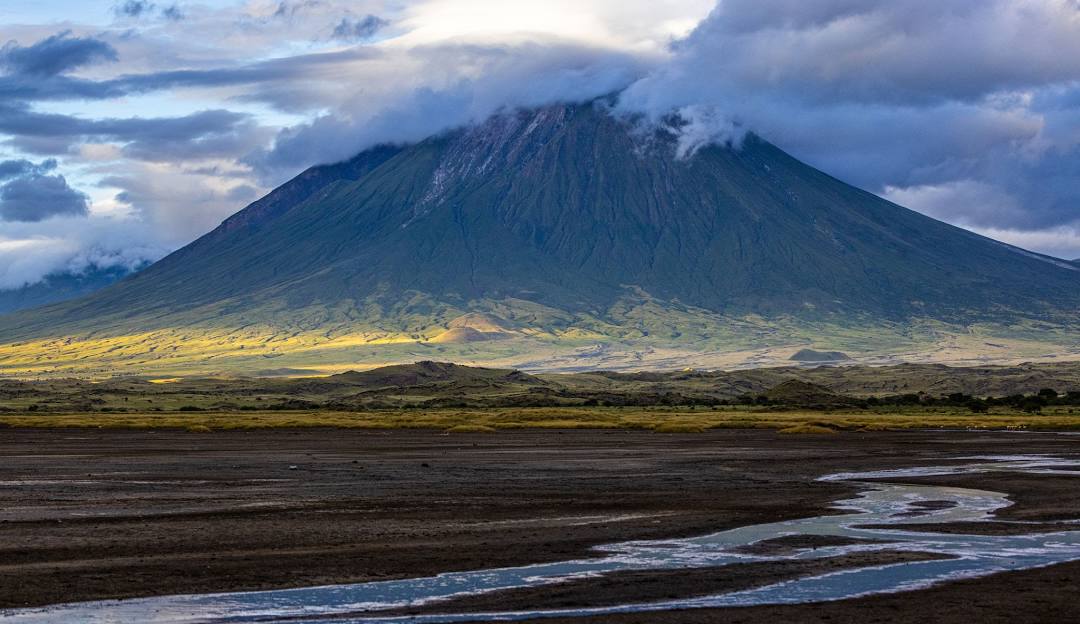
Ol Doinyo Lengai
Climbing the Mountain of God
In the Maasai language, Ol Doinyo Lengai means the Mountain of God. Standing at the edge of the East African Rift Valley, rising in a near-perfect cone above the shores of Lake Natron, it is not difficult to understand why.
Ol Doinyo Lengai is one of the most extraordinary volcanoes on Earth — and one of the most extraordinary climbs in Africa. It is the only active volcano in the world known to erupt natrocarbonatite lava: a uniquely cool, uniquely fluid lava that pours black from the crater before turning pale grey as it cools in contact with the air. Nothing else on the planet produces it. Nothing quite looks like Lengai’s crater, with its strange pale formations and smouldering vents hissing quietly against the sky.
The Climb
Lengai is not a technical climb. But it is a brutally demanding one. The ascent typically begins around midnight — by necessity, not tradition. The equatorial sun transforms the volcano’s dark flanks into a furnace by mid-morning, and the loose, steep ash slopes become genuinely dangerous in the heat. Climbing in darkness, by headtorch, up a gradient that steepens relentlessly as the summit approaches, is both exhausting and extraordinary.
The mountain rises to 2,962 metres, but the effort involved feels considerably greater than the altitude suggests. The gradient in the upper sections is severe — some stretches approach 45 degrees — and the loose volcanic scree demands careful footwork and determined legs. Most climbers reach the crater rim after four to six hours of sustained effort, arriving in the first thin light of dawn.
The Reward
What awaits at the top defies easy description. The crater is an active, living geological system — vents steam and hiss, strange carbonate formations rise from the floor like pale sculptures, and the smell of sulphur hangs in the air. On clear mornings, the view from the rim is staggering: the pink expanse of Lake Natron spreads below, the Great Rift Valley opens up to the horizon, and — on exceptional days — both Kilimanjaro and Ol Doinyo Lengai’s neighbours across the rift are visible in the far distance.
Sunrise from Lengai’s crater, with the Rift Valley turning gold below and the volcano still breathing beneath your feet, is among the most singular experiences Tanzania offers.
Before and After the Climb
The area around Lengai is extraordinary in its own right. Lake Natron — the volcano’s nearest neighbour — is one of the most caustic lakes on Earth, its soda-rich waters stained blood red by the algae that thrive there, and home to one of East Africa’s largest flamingo breeding colonies. Combining a Lengai climb with time at Natron — walking its strange red shores, watching the flamingos, absorbing a landscape that feels almost alien — creates an itinerary unlike anything else in Tanzania.
Climb Lengai with Grand World Tours
Grand World Tours organises Ol Doinyo Lengai expeditions with experienced local guides who know the mountain’s moods, its rhythms, and its hazards intimately. The climb requires proper preparation, good physical fitness, and the right equipment — all of which Grand World Tours helps you arrange. Safety is paramount on an active volcano, and every ascent is planned and led with that in mind.
Lengai is not for everyone. But for those who reach the crater rim as the sun rises over the Rift Valley, it becomes one of those experiences that quietly reorders everything that came before it.
Kilimanjaro Trips
Kilimanjaro Mountain Top Route
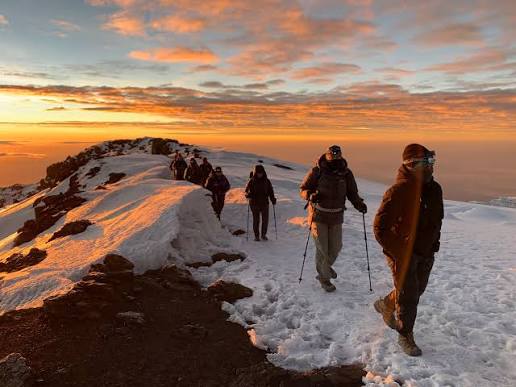
Marangu Route
Among all the paths that wind their way up the slopes of Mount Kilimanjaro, the Marangu Route holds...
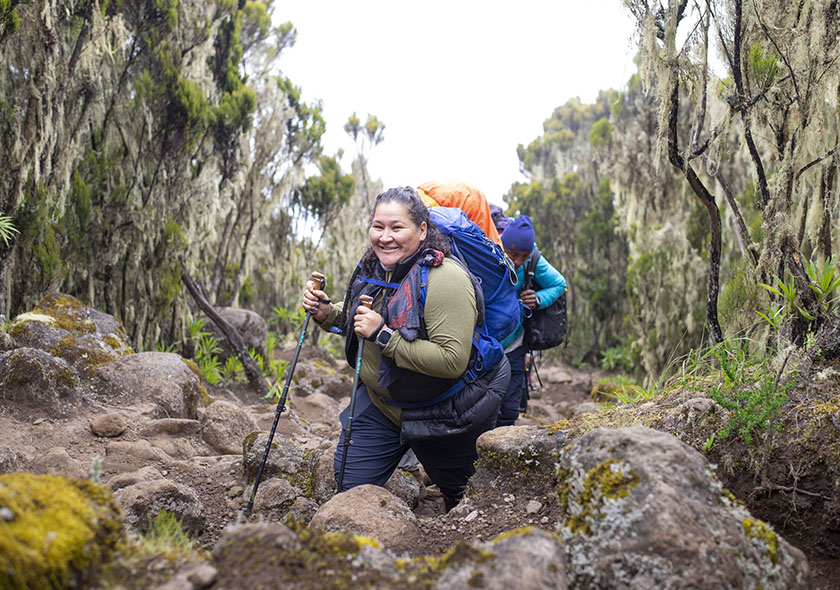
Lemosho Route
Among all the routes that ascend the magnificent slopes of Mount Kilimanjaro, the Lemosho Route occupies a position...
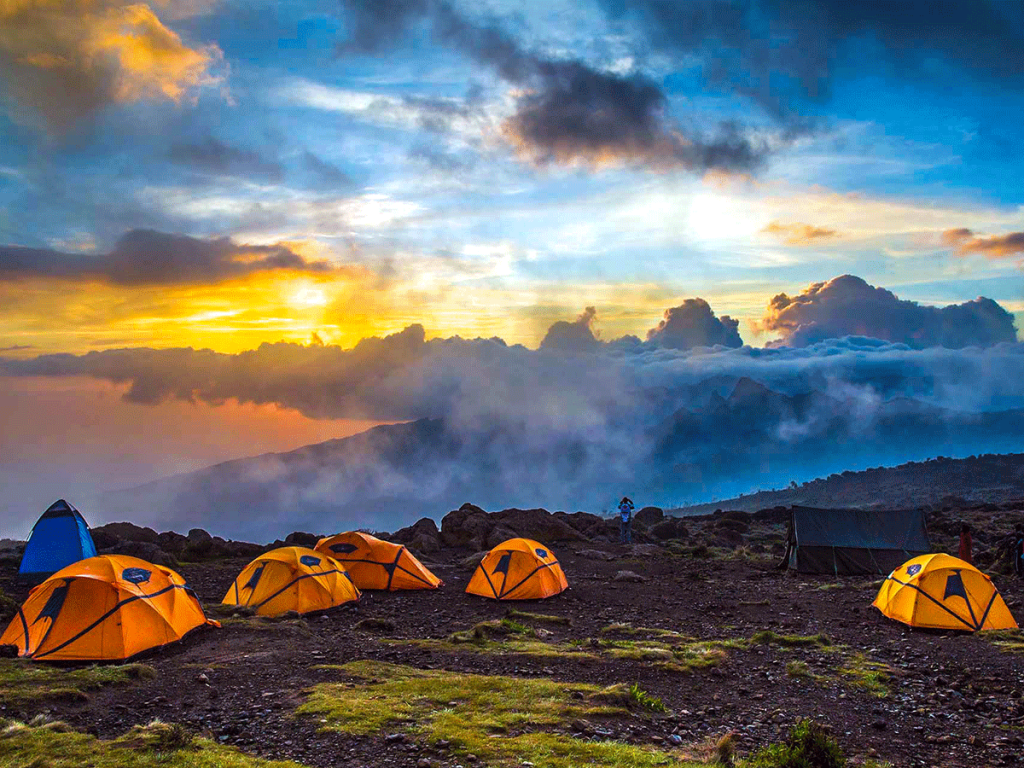
Machame Route
If the Lemosho Route is the connoisseur’s choice — the route selected by those who...
The Rongai Route
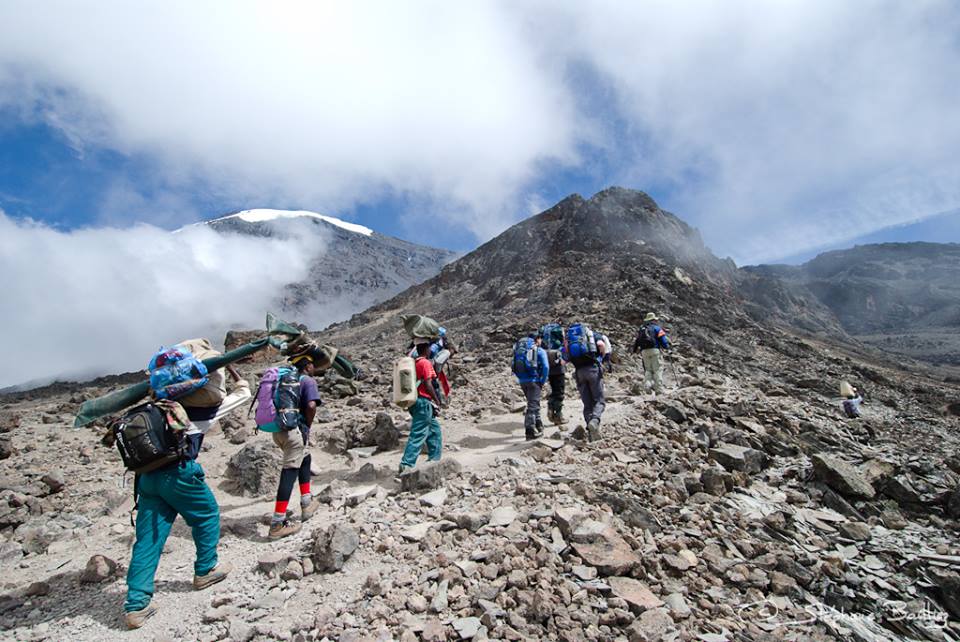
The Rongai Route is the only route on Kilimanjaro that approaches from the north, beginning near...







%20copy%203.svg)