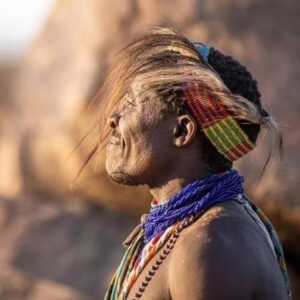
A cultural safari in Tanzania and Kenya goes beyond wildlife to the people who have lived alongside it for generations. You can share stories with Maasai families, join Hadzabe hunters at dawn, wander the alleys of Stone Town and taste local food made with care. Grand World Tours operates in Tanzania, Kenya and Zanzibar, and this guide explains where to go, when to go, how to visit respectfully and 10 amazing experiences to add to your journey.
In this guide
What Is a Cultural Safari in Tanzania and Kenya?
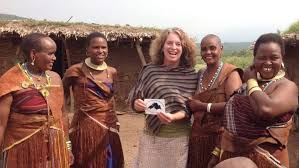
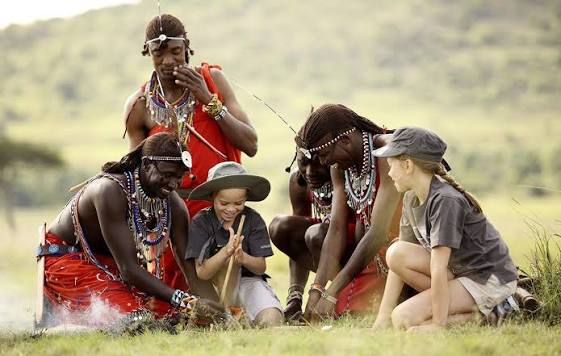
A cultural safari adds meaningful time with local people to your game drives. Instead of seeing only the animals, you learn how communities live, farm, herd, cook, craft and celebrate in the landscapes you travel through.
A cultural safari in Tanzania and Kenya suits families, couples, solo travellers and curious first-timers. It works best when it is led by a local guide, arranged in advance and carried out with respect, so that the community benefits and the visit feels genuine for everyone.
Best Places for a Cultural Safari in Tanzania and Kenya
Tanzania
•
•
•
•
Kenya
•
•
•
•
Best Time for a Cultural Safari in Tanzania and Kenya
•
•
•
Cultural visits can be arranged all year. Tell us your dates and we will suggest the right experiences.
How to Visit Communities on a Cultural Safari in Tanzania and Kenya
The best cultural safari in Tanzania and Kenya is built on respect. These simple habits make a big difference:
1.
2.
3.
4.
5.
6.
How to Behave on a Cultural Safari Tanzania
A few simple habits make every visit better for you and for your hosts. We recommend:
1. Ask before you photograph people or homes, and respect a “no”
2. Dress modestly, with shoulders and knees covered, especially in villages and on Zanzibar
3. Listen more than you talk, and ask questions with curiosity, not judgement
4. Avoid handing out sweets or money to children, which can encourage begging
5. Buy crafts directly from makers where you can, and pay a fair price
Top 10 Experiences on a Cultural Safari in Tanzania and Kenya
1.
2.
3.
4.
5.
6.
7.
8.
9.
10.
Why Pick Grand World Tours for Your Cultural Safari?
Grand World Tours is a Tanzania-based company operating in Tanzania, Kenya and Zanzibar, with trusted partners in Uganda, Namibia and South Africa. Our founder began as a professional safari guide, so we plan every cultural safari in Tanzania and Kenya around real relationships in the field.
•
•
•
•
•
For official information, visit Tanzania National Parks and the Kenya Wildlife Service. Stone Town is also a UNESCO World Heritage Site.
Frequently Asked Questions About a Cultural Safari in Tanzania and Kenya
What is a cultural safari?+
A cultural safari combines wildlife viewing with respectful visits to local communities, markets, historic towns and traditional crafts.
Which cultures can we meet on a cultural safari in Tanzania and Kenya?+
Common visits include the Maasai, the Hadzabe and Datoga around Lake Eyasi, the Samburu in Kenya and the Swahili communities of Zanzibar and the coast.
Are cultural visits respectful and ethical?+
They can be, when arranged properly. We work with local guides, set visits up in advance and choose experiences where the community benefits directly.
Can we take photos?+
Always ask first. Your guide will explain what is welcome and help you ask politely.
What is the best time for a cultural safari in Tanzania and Kenya?+
June to October and January to February have the most comfortable weather. Cultural visits can be arranged all year.
How many days do we need?+
We suggest 5 to 7 days when adding cultural visits to a safari. Add 3 to 4 days if you wish to include Zanzibar or Lamu.
Is a cultural safari suitable for children?+
Yes. Many children enjoy meeting local families, tasting spices and visiting markets, and they learn a great deal from it.
Can we add cultural visits to any safari?+
Yes. A cultural safari in Tanzania and Kenya can be added to family, honeymoon, photographic and balloon safaris.
Plan Your Cultural Safari in Tanzania and Kenya
Ready to start your cultural safari in Tanzania and Kenya? Tell us who is travelling and what you hope to learn, and we will design a journey that connects you with the people and places of East Africa.