The Best Time to Visit Tanzania for a Safari
Planning Your Tanzania Safari Around the Perfect Season
Choosing the best time to visit Tanzania for a safari is perhaps the single most important decision you will make when planning your African adventure. Tanzania is a year-round destination — wildlife roams the national parks in every month of the calendar — but the timing of your visit will dramatically shape the experiences you have, the landscapes you encounter, the crowds you share them with, and the price you pay. Understanding Tanzania’s seasons, rainfall patterns, and wildlife cycles will help you design a safari that perfectly matches your expectations and travel goals.
Tanzania sits just south of the equator, which means it does not experience the dramatic four-season cycle familiar to travellers from Europe or North America. Instead, the country’s climate is governed by two distinct wet seasons and two dry seasons, each offering its own unique safari character. Knowing how to navigate these seasonal rhythms is the key to unlocking the very best that Tanzania has to offer.
The Long Dry Season (June to October): Peak Safari Time
The long dry season, which runs from June through October, is widely regarded as the best time to visit Tanzania for a safari. This is peak season for a very good reason — conditions for wildlife viewing are simply outstanding. As the rains fade and the landscape dries out, vegetation becomes sparse and animals are forced to congregate around rivers, watering holes, and permanent water sources. With fewer places to hide, wildlife becomes dramatically easier to spot, and game drives during these months can be almost overwhelmingly rewarding.
Temperatures during the dry season are generally warm and pleasant during the day, typically ranging between 22°C and 29°C across most of the country, with cooler mornings and evenings that make early game drives refreshing rather than uncomfortable. The skies are reliably clear and blue, dust hangs lightly over the savanna, and the golden light of the dry-season sun creates some of the most spectacular photographic conditions imaginable. For photographers and wildlife enthusiasts alike, these months represent Tanzania’s finest offering.
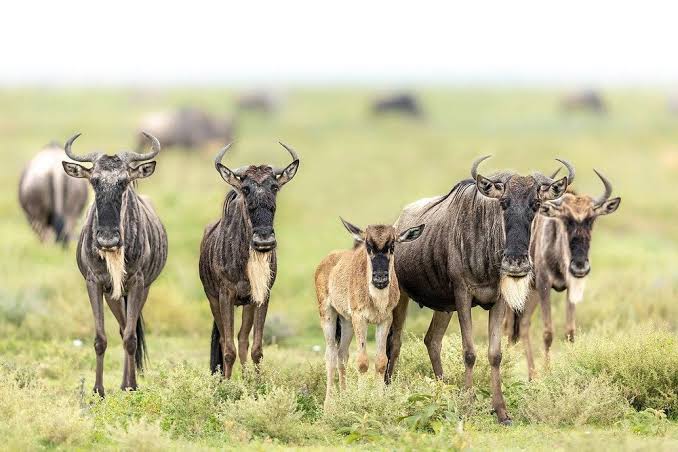
This period also coincides with the most dramatic chapter of the Great Wildebeest Migration in the northern Serengeti. From July through September, the vast herds of wildebeest and zebra push northward toward the Mara River, where they face one of nature’s most terrifying and thrilling challenges — the river crossings. Massive crocodiles lie in wait as thousands of animals plunge into the churning waters in a desperate, thundering surge. Witnessing a Mara River crossing is widely considered one of the greatest wildlife spectacles on earth, and it is almost exclusively accessible during these dry-season months. If the Great Migration is on your bucket list, June through October is your window.
The Short Dry Season (January to February): Calving Season Magic
Tanzania’s short dry season, which falls between January and February, is one of the most underrated and spectacular periods for a safari. While this window does not receive the same attention as the June-to-October peak, it offers a wildlife experience that is in many ways even more emotionally powerful — the wildebeest calving season on the southern Serengeti plains.
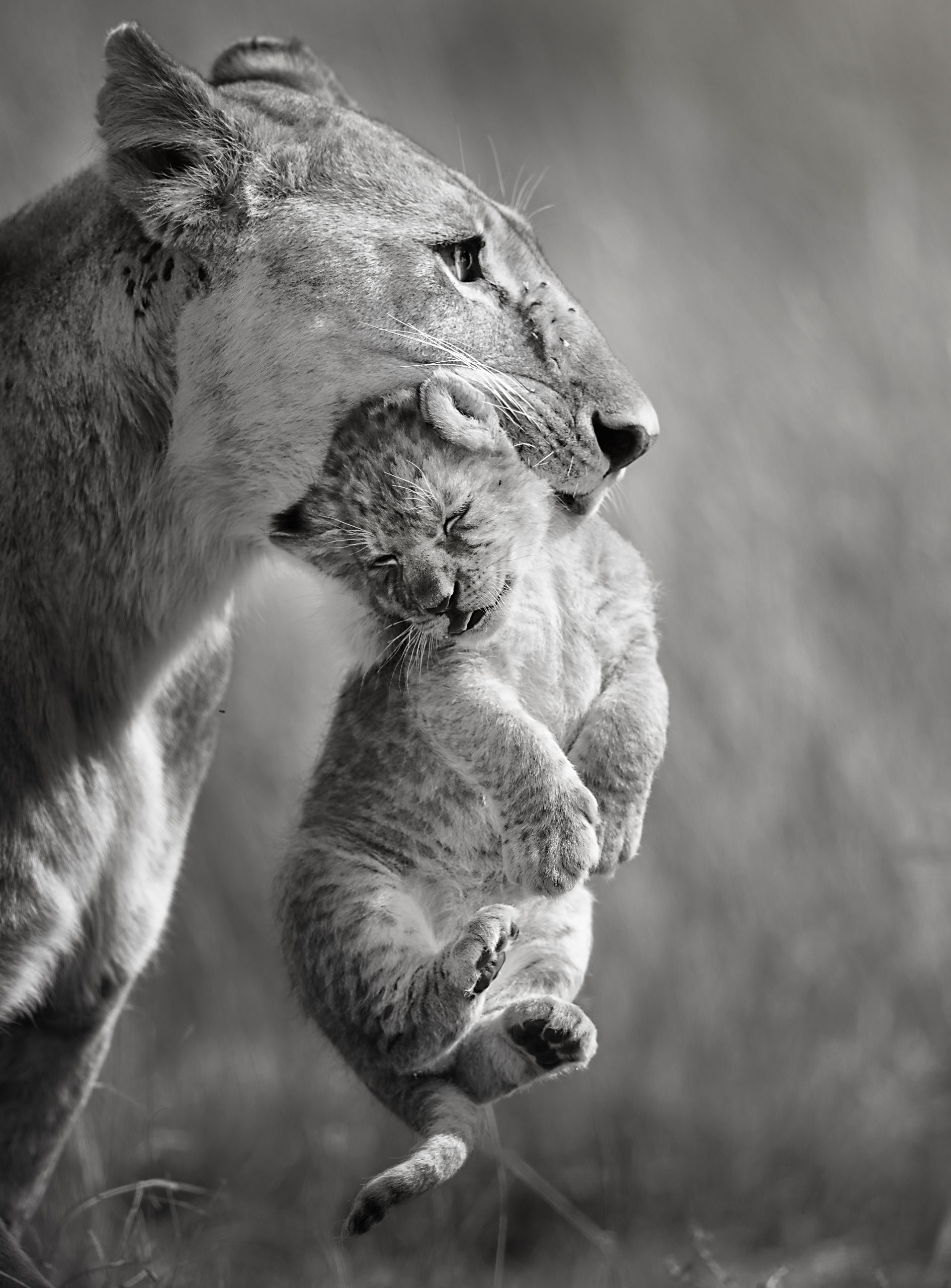
Every year, between late January and early March, approximately 500,000 wildebeest calves are born on the short-grass plains of the southern Serengeti and the Ndutu area. The calving happens with astonishing speed — a wildebeest calf can stand within minutes of birth and run within hours, an evolutionary adaptation driven by the sheer density of predators that descend on the calving grounds. Lions, cheetahs, leopards, hyenas, wild dogs, and jackals all gather in extraordinary numbers, drawn by the abundance of vulnerable newborns. The result is a predator-prey dynamic of almost cinematic intensity, with hunts and kills occurring throughout the day in full, unobstructed view across the open plains.
January and February are also among the hottest months in Tanzania, with temperatures climbing toward the low 30s in many areas. The landscape retains some green from the short rains of November and December, giving it a lush, photogenic quality that contrasts beautifully with the drama unfolding on the plains. Visitor numbers are moderate, prices are more competitive than peak season, and the sense of having an intimate, personal connection with the wilderness is heightened. For families, couples, and solo travellers who want world-class wildlife viewing without the peak-season crowds, the calving season is an exceptional choice.
The Green Season (November to December): Short Rains and Hidden Rewards
The short rains arrive in Tanzania in November and typically continue through December, ushering in what is often called the green season or the emerald season. This is a period that divides opinion among safari travellers — some avoid it entirely, deterred by the possibility of rain and muddy roads, while others actively seek it out for its extraordinary rewards and distinct character.
During the green season, Tanzania’s landscapes undergo a remarkable transformation. The parched, golden savanna of the dry months gives way to lush, verdant grasslands dotted with wildflowers. The Ngorongoro Crater and the highland areas around Arusha are particularly beautiful in this season, draped in deep greens under dramatic cloudy skies. For photographers, the quality of light during the green season — softer, more diffused, and often spectacular at sunrise and sunset — is genuinely magnificent.
November and December are also among the best months for birdwatching in Tanzania. Migratory bird species arrive from Europe and Asia, swelling the country’s already impressive roster of over 1,000 bird species. Wading birds crowd the wetlands, raptors soar over the plains, and the riot of colour from both resident and visiting species makes this a paradise for birding enthusiasts. Game viewing remains very good throughout the green season — the predators do not migrate, and the resident wildlife of parks like Tarangire, Ngorongoro, and the Serengeti is present year-round.
The short rains are also generally lighter and more predictable than the long rains, often arriving as afternoon or evening showers rather than sustained downpours. Many days are largely dry, and game drives are perfectly feasible. Lodge and camp prices drop significantly during this period, and availability is much easier to secure, making the green season an attractive option for travellers on a tighter budget who are willing to trade guaranteed sunshine for extraordinary value and a more exclusive bush experience.
The Long Rains (March to May): The Quiet Season
The long rains, which fall between March and May, represent Tanzania’s quietest period for tourism and are generally considered the most challenging time for a traditional safari. Rainfall can be heavy and sustained during these months, particularly in April, and some remote park roads and airstrips become difficult or impossible to access. Several smaller camps and lodges close entirely during this period, and the Serengeti’s northern circuits can be particularly hard to reach.
However, the long rains should not be dismissed entirely. The landscape during this season is at its absolute greenest and most visually dramatic, with thunderstorms rolling across the Serengeti producing some of the most extraordinary skies imaginable. Wildlife remains abundant — in fact, the absence of other tourists means that those who do visit during the long rains often enjoy extraordinary solitude and a deeply personal connection with the wilderness. Predators are still active, elephants roam freely through the parks, and the general atmosphere of quiet intimacy is something that peak-season visitors rarely experience.
Prices during the long rains drop to their lowest levels of the year, and for budget-conscious travellers or those who genuinely enjoy the atmosphere of an empty wilderness, this season has real appeal. That said, it is important to manage expectations and work with an experienced operator who knows which parks and camps remain accessible and rewarding during the wet months. Not all of Tanzania suffers equally during the long rains — areas like the Ngorongoro Crater and parts of southern Tanzania can remain perfectly accessible and highly rewarding even in April and May.
Month-by-Month Summary: When to Go and Why
January and February are excellent for the wildebeest calving season on the southern Serengeti, with warm weather, moderate crowds, and incredible predator activity. March through May is the quiet, wet season — challenging for logistics but offering lush beauty, low prices, and extraordinary solitude. June through October is peak safari season, offering the best game viewing conditions, the Great Migration river crossings, and reliably dry, clear weather across virtually all of Tanzania’s national parks. November and December bring the short rains, transforming the landscape to vivid green and offering outstanding birdwatching, good wildlife sightings, and excellent value.
Final Thoughts: There Is No Wrong Time for a Tanzania Safari
The honest truth about the best time to visit Tanzania for a safari is that there is no wrong answer. Every season brings its own magic, its own wildlife highlights, and its own unique character. The dry season delivers reliable game viewing and the spectacle of the Great Migration, while the green season offers lush landscapes, extraordinary birding, and intimate solitude. The calving season gifts visitors with one of nature’s most emotionally powerful dramas, and even the long rains have their own quiet, wild beauty.
The best time to visit Tanzania is ultimately the time that aligns with your personal priorities — whether that means witnessing river crossings, photographing newborn calves, watching flamingos on a soda lake, or simply sitting under a vast African sky with not another soul in sight. Whatever season you choose, Tanzania will deliver an experience that is nothing short of extraordinary.






%20copy%203.svg)