Many travellers finish a safari wanting to do more than take photographs. They want to leave something good behind. At Grand World Tours Ltd, we believe the best way to give back on safari in Tanzania is to meet local people with respect, listen to their stories and support projects that they themselves have chosen. We work with local communities, including the Hadzabe, the Datoga and the Maasai, with a school that supports students with special needs and with a health organization that cares for local families. This guide explains how you can give back on safari in Tanzania in a way that is thoughtful, dignified and genuinely useful.
In this guide
• Why Give Back on Safari in Tanzania?
• Our Commitment to Local Communities
• Communities You Can Meet and Support
• 12 Meaningful Ways to Give Back on Safari in Tanzania
• How Giving Back Works With Grand World Tours
• Giving Back Responsibly: Do’s and Don’ts
• Planning Your Visit and What to Bring
• Combine Giving Back With Your Safari
Why Give Back on Safari in Tanzania?
Tourism can do real good when the money and the respect reach the people who live beside the wildlife. When you give back on safari in Tanzania, you do three things at once: you support families and local projects, you learn how communities live and what matters to them, and you carry that understanding home with you.
It is also one of the most memorable parts of a trip. Guests often tell us that the morning they spent with a community or at a school meant more to them than any single wildlife sighting.
Our Commitment: How Grand World Tours Helps Local Communities
Grand World Tours Ltd is a locally owned company based in Arusha, and our neighbours are the people we travel among every day. We help local communities, including the Datoga, the Hadzabe and the Maasai, we support a school that serves students with special needs and we support a health organization that serves local families. For travellers who wish to give back, we arrange visits and ways to help that put the community first, so that the benefit goes where it is needed.
A short visit cannot fix every challenge, and we never pretend otherwise. What it can do is build respect, bring support to people who ask for it and open a door to a longer friendship.
Communities You Can Meet and Support
The Hadzabe
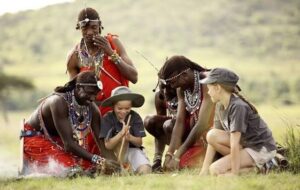
The Hadzabe (also called the Hadza) are one of Tanzania’s oldest hunter-gatherer communities, living around Lake Eyasi in the north of the country. They hunt with bows and arrows, gather honey, berries and baobab fruit, and know the bush in extraordinary detail. Their way of life and their land face growing pressure, so respectful visits that help the community are valuable. Their language and customs deserve patience, curiosity and consent at every step.
The Datoga
The Datoga (also spelled Datooga) live in the same Lake Eyasi region and are known for cattle herding, skilled blacksmithing and beautiful beadwork and jewellery. A visit may include watching a blacksmith shape metal, learning about everyday life and buying crafts directly from the people who make them, so that the money stays with local families.
The Maasai
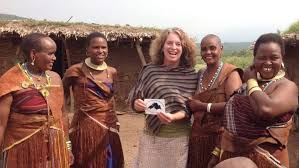
The Maasai are among the best-known people of northern Tanzania and southern Kenya, living across the savannah and around the great parks. They are semi-nomadic cattle herders, recognised by their red shukas, their layered beadwork and their songs and jumping dances. A visit may include time in a boma (a family homestead), a conversation about herding and daily life, and the chance to buy beadwork directly from the women who make it, so that the money stays with local families. As with every community, the visit works best when it is planned in advance, led by a local guide and shaped by what the hosts are happy to share.
A School Supporting Students With Special Needs
We also support a local school that serves students with special needs, including students with disabilities. Giving back here means meeting the students and teachers, understanding what they need and helping in a way the school itself asks for, such as learning materials or contributions that the staff direct. Our aim is dignity, never pity. We treat every student as a young person with talent, humour and ambition, and we ask our guests to do the same.
A Health Organization Caring for Local Families
We also support a health organization that works with local communities. Health care is one of the most important needs in rural areas, where clinics can be far away and families often travel a long way for treatment. Giving back here means learning about the organization’s work, meeting the people who run it and supporting it in the way it asks for, such as a contribution given directly to the organization or supplies that it has requested. Please do not bring medicines or medical items unless we have confirmed with the organization that they are needed, because unrequested items can cause more problems than they solve.
12 Meaningful Ways to Give Back on Safari in Tanzania
• Visit with a local guide, so that someone who knows the community can introduce you and translate.
• Learn from the Hadzabe on a respectful visit, and listen to how they read the bush.
• Meet the Datoga blacksmiths and see their craft up close.
• Visit a Maasai family and learn about herding, beadwork and daily life.
• Buy crafts directly from the makers, at a fair price, so the money reaches local families.
• Visit the school when it can be arranged, and meet the students and teachers.
• Donate what the school really needs. Ask us first, so that you bring useful items and not extras.
• Support the health organization with a contribution or with supplies that it has asked for, arranged through us.
• Make a financial gift, given through the school or community and not handed to individuals, so that it is used well.
• Share a meal and a conversation, and ask open, curious questions.
• Travel in a way that helps, by choosing local guides, local lodges and local food.
• Stay connected after you go home. Tell others what you learned and keep supporting what matters to you.
How Giving Back Works With Grand World Tours
• Tell us what matters to you. Share which community or cause you would like to support, and how much time you have.
• We plan it with the community and the school. We arrange visits in advance, so that they suit the hosts and the school calendar.
• We brief you before you go. You learn about customs, photographs and what is most useful to bring.
• You visit with a local guide, with time to listen, learn and take part.
• You decide how to help, and we guide you so that your gift is given properly and reaches the people it is meant for.
Giving Back Responsibly: Do’s and Don’ts
Do
• Ask permission before taking any photograph, and accept a polite no.
• Give donations through the school, the community leaders or your guide, and not to individuals.
• Ask what is needed before you bring anything.
• Dress modestly, listen more than you talk and follow your guide’s advice.
Don’t
• Don’t hand out sweets, pens or money to children. It can encourage begging and disrupts school life.
• Don’t bring medicines or medical items unless the health organization has asked for them.
• Don’t treat a visit as a show or ask people to perform for you.
• Don’t post photographs of students or people with disabilities without clear permission.
• Don’t expect to fix problems in a day. Lasting help is patient and led by the community.
Planning Your Visit and What to Bring
• Best time: visits can be arranged all year. The dry seasons, June to October and December to February, make the roads easier, and school visits depend on term dates, so tell us your dates early.
• Start early: activities such as a morning walk with the Hadzabe begin at first light, and the Lake Eyasi area is hot later in the day.
• Wear: modest, comfortable clothes, closed walking shoes, a hat and sunscreen.
• Bring: water, a small amount of cash for crafts, and an open mind. Leave gifts for us to arrange with the school.
• Mind your health: speak to your doctor or a travel clinic about vaccinations and malaria prevention before you travel.
Combine Giving Back on Safari in Tanzania With Your Journey
Giving back fits easily into a longer safari. The communities around Lake Eyasi sit in the north of Tanzania, close to the northern parks. Add a visit to a cultural safari, a conservation safari, a family safari or a special campsites experience, and continue to Kenya or Zanzibar if you wish.
Why Pick Grand World Tours Ltd to Help You Give Back on Safari in Tanzania?
Grand World Tours is a locally owned company based in Arusha, operating in Tanzania, Kenya and Zanzibar, with trusted partners in Uganda, Namibia and South Africa. Our founder began as a professional safari guide, so our relationships with local communities are real and long-standing.
• Community-first visits, planned in advance with the people who host you.
• Support for the Hadzabe, Datoga and Maasai communities, for a school serving students with special needs and for a health organization.
• Honest guidance on what helps and what does not.
• Experienced local guides who translate and build trust.
• One team for Tanzania, Kenya and Zanzibar, with personal support before, during and after your trip.
To learn more about the communities, read about the Hadza people and the Datooga people. For official park information, visit Tanzania National Parks.
Frequently Asked Questions About Giving Back on Safari in Tanzania
How can I give back on safari in Tanzania?+
You can visit local communities with a guide, buy crafts directly from the makers, visit a school and support it with a gift that the staff have asked for. Tell us what matters to you and we will help you plan it.
Which communities do you work with?+
We work with local communities including the Hadzabe, the Datoga and the Maasai, with a school that supports students with special needs and with a health organization that serves local families.
Are community visits ethical?+
They can be, when they are planned in advance, led by local guides, respectful and designed so that the community benefits directly. We never treat a visit as a show.
How can I help the school?+
The best way is to ask us first what the school needs. We then guide you on bringing useful supplies or making a contribution that is given through the school.
Can I give gifts, sweets or money to children?+
We ask guests not to. Handing items to children can encourage begging and disrupt school life. Give through the school or the community instead.
Can I take photographs?+
Always ask first, and accept a polite no. Please take particular care with photographs of students, and do not post them without permission.
Is it suitable for children?+
Many families find community visits and school visits especially memorable. Please tell us the ages of your children so that we can prepare them and plan well.
Do I need a guide for a community visit?+
Yes. A local guide introduces you, translates and makes sure the visit is respectful and welcome.
How do I know my gift reaches the people it is meant for?+
We explain how and where your gift will be used, and we guide you to give it through the school or the community leaders, not to individuals. Please ask us any questions before you decide.
Can I combine giving back with a safari in Tanzania and Kenya?+
Yes. Community visits fit easily into a safari in the north of Tanzania, and we can continue your journey to Kenya and Zanzibar.
Can I visit a Maasai community?+
Yes. We can arrange a visit with a local guide to a Maasai family, where you can learn about herding, beadwork and daily life and buy crafts directly from the makers.
How can I support the health organization?+
Tell us you would like to help and we will explain what the organization needs. Please do not bring medicines unless it has asked for them. We guide you to give through the organization itself.
Do you support students with special needs?+
Yes. We support a local school that serves students with special needs, and we arrange visits and ways to help that the school itself asks for.
Give Back on Safari in Tanzania With Grand World Tours
Ready to give back on safari in Tanzania? Tell us who is travelling, which community or cause you would like to support and when you can travel, and we will plan a journey that you and the people you meet will remember with pride.