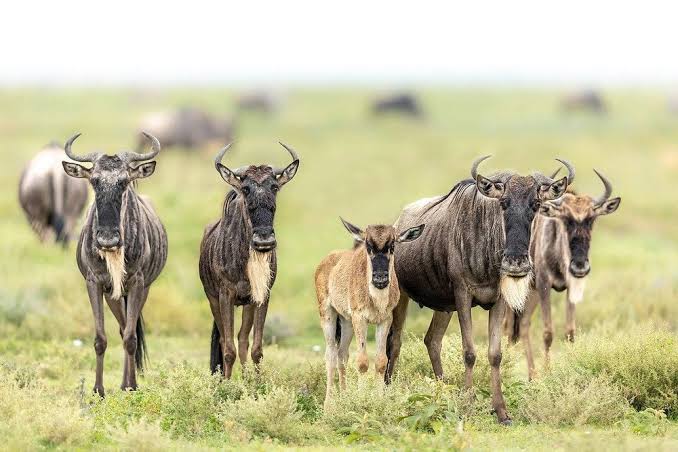
The Great Migration in Tanzania and Kenya is the greatest wildlife spectacle on earth. Every year, well over a million wildebeest, together with hundreds of thousands of zebra and gazelle, travel in a great circle between the Serengeti in Tanzania and the Maasai Mara in Kenya, following the rains and fresh grass. Grand World Tours operates in Tanzania, Kenya and Zanzibar, and this guide explains where the herds are each month, the best time to go, where to stay and 10 tips for seeing the Great Migration at its best.
In this guide
What Is the Great Migration in Tanzania and Kenya?
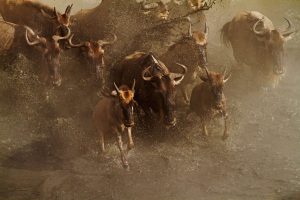
The Great Migration is a continuous, year-round journey. The herds follow the rains and the new grass, moving through the Serengeti ecosystem in Tanzania and crossing into the Maasai Mara in Kenya. Predators such as lions, cheetahs and crocodiles follow them, and dramatic river crossings are among the most famous moments.
It is not a single event at a single place. The Great Migration in Tanzania and Kenya is a cycle, so the best location depends on the month you travel. Exact timing also shifts from year to year with the rains, which is why local guidance matters.
Great Migration in Tanzania and Kenya: Month by Month
•
•
•
•
•
These are typical patterns and not guarantees, because the herds follow the rain and not the calendar.
Best Time to See the Great Migration in Tanzania and Kenya
•
•
•
There is no bad month for wildlife in the Serengeti, only a different chapter of the story.
Where to Watch the Great Migration: Tanzania vs Kenya
Tanzania: the Serengeti
The herds spend most of the year in Tanzania. The Serengeti offers calving season in the south, the Grumeti River in the west and the Mara River crossings in the north. It is the best base for the widest range of Great Migration experiences.
Kenya: the Maasai Mara
The herds arrive in the Maasai Mara around July or August and stay until roughly October. The open grassland and river crossings make it one of the most dramatic places to watch the Great Migration in Tanzania and Kenya.
Tanzania or Kenya?
•
•
•
Where to Stay for the Great Migration in Tanzania and Kenya
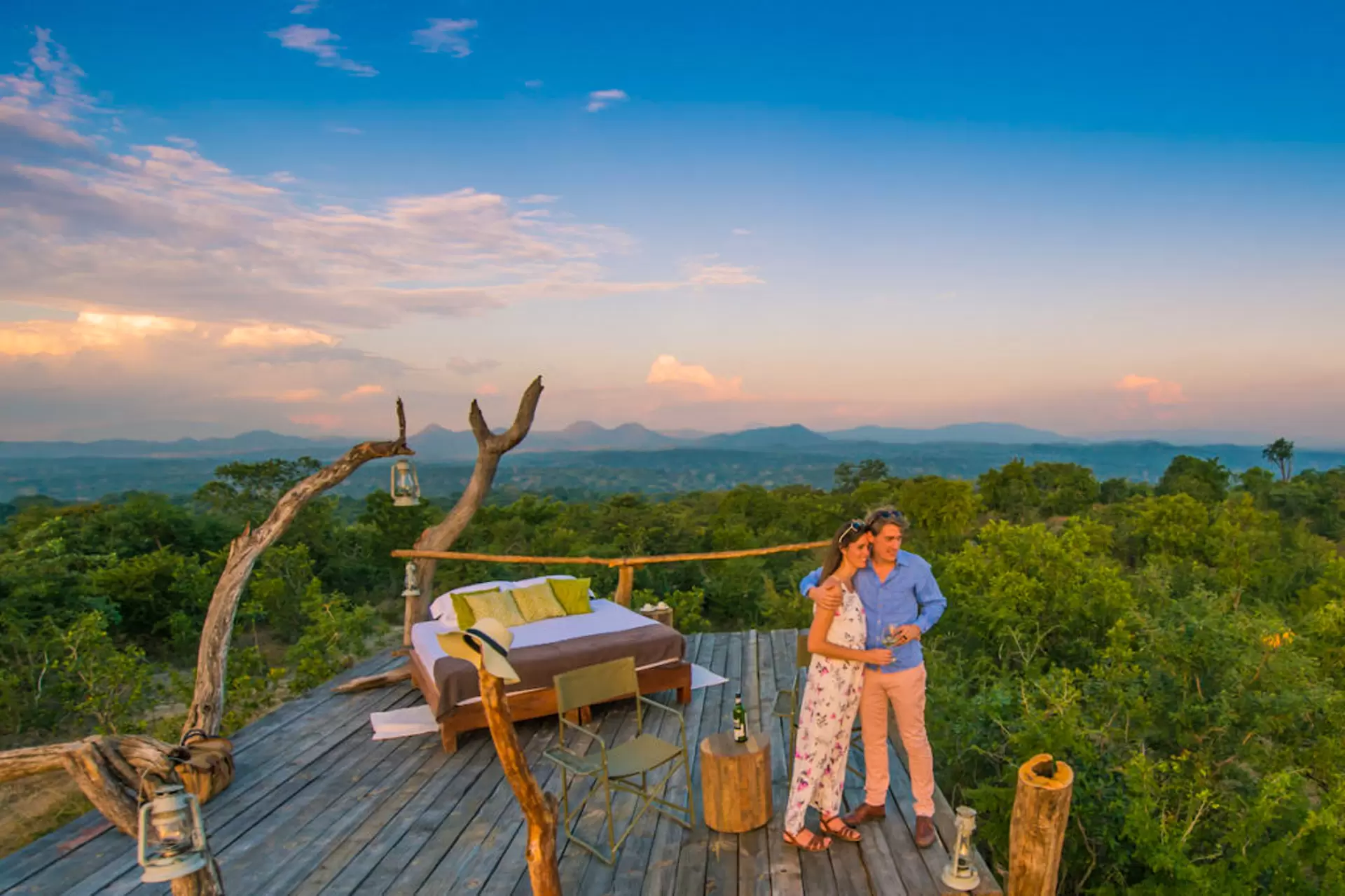
We recommend sleeping inside the national parks and reserves, in lodges and tented camps placed close to where the herds will be. Some camps are seasonal and move with the migration, so choosing the right one for your month is important. Read our guide to where to stay on a Tanzania safari for more detail.
We offer luxury and midrange options, and we match your dates to the best area so you are in the right place at the right time.
Top 10 Tips for Seeing the Great Migration in Tanzania and Kenya
1.
2.
3.
4.
5.
6.
7.
8.
9.
10.
Why Pick Grand World Tours for the Great Migration?
Grand World Tours is a Tanzania-based company operating in Tanzania, Kenya and Zanzibar, with trusted partners in Uganda, Namibia and South Africa. Our founder began as a professional safari guide, so we plan every Great Migration safari in Tanzania and Kenya around real experience in the field.
•
•
•
•
•
For official park information, visit Tanzania National Parks and the Kenya Wildlife Service. The Serengeti is also a UNESCO World Heritage Site.
Frequently Asked Questions About the Great Migration in Tanzania and Kenya
What is the Great Migration?+
It is the yearly movement of wildebeest, zebra and gazelle around the Serengeti in Tanzania and the Maasai Mara in Kenya, following the rains and fresh grass.
When is the best time to see the Great Migration in Tanzania and Kenya?+
Late July to October is best for river crossings. Late January to February is best for calving. The herds are in the Serengeti for most of the year.
Is a river crossing guaranteed?+
No. The herds decide when to cross, and a crossing may take hours or days. Staying several nights near the river gives you the best chance.
Should we go to Tanzania or Kenya?+
Tanzania offers the longest season and calving. Kenya offers dramatic crossings on open plains from about July to October. Many guests choose both.
How many days do we need?+
We suggest 5 to 7 days for one country and 9 days or more to combine Tanzania and Kenya.
Is the Great Migration suitable for children?+
Yes. Many families enjoy it, although the long drives at river crossings suit older children best. We will plan the pace around your family.
Can we add a balloon safari or a beach stay?+
Yes. A balloon flight at sunrise and a finish in Zanzibar both combine beautifully with the Great Migration.
Do we need vaccinations or visas?+
Requirements change, so please speak to your doctor or a travel clinic about vaccinations and malaria prevention, and check current visa rules before you travel.
Plan Your Great Migration Safari in Tanzania and Kenya
Ready to see the Great Migration in Tanzania and Kenya? Tell us your dates and who is travelling, and we will place you where the herds are expected to be.