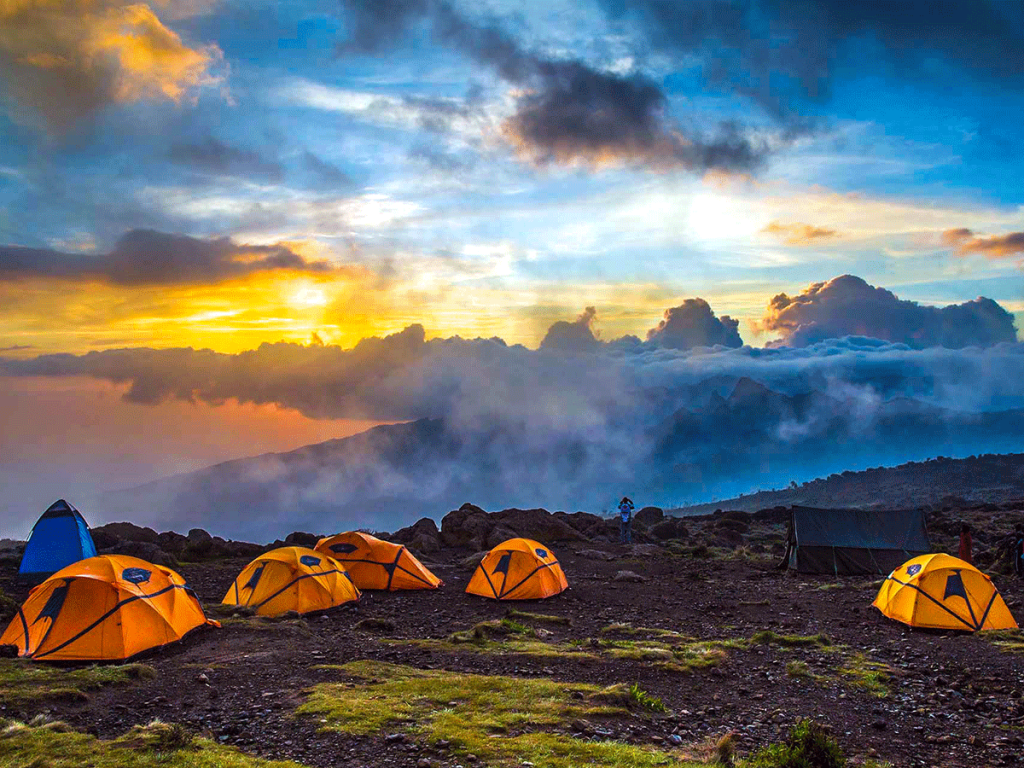
Machame Route
The Machame Route: Kilimanjaro’s Most Popular and Most Dramatic Path
The Route That Earns Its Nickname
If the Lemosho Route is the connoisseur’s choice — the route selected by those who have done their research and are prepared to invest maximum time for maximum reward — then the Machame Route is the people’s champion: the route that combines genuine drama, extraordinary scenery, excellent acclimatisation, and an accessible degree of physical challenge into a package so well-rounded and so consistently rewarding that it has become, by a significant margin, the most popular route on Mount Kilimanjaro.
Known universally as the Whiskey Route — a nickname born as a counterpoint to the Marangu Route’s Coca-Cola label, implying a stronger, more demanding character — the Machame Route approaches Kilimanjaro from the southwest, entering the mountain through a different section of the national park from both the Marangu and Lemosho approaches and offering a journey of genuinely extraordinary variety and beauty. It is steeper than the Marangu, more physically demanding than the Lemosho’s gentle western approach, and more exposed in its upper sections than either — but these qualities of challenge and exposure are precisely what make it so enduringly popular among trekkers who want to feel genuinely tested by the mountain and genuinely earned in their summit achievement.
The Machame Route’s greatest practical asset is its acclimatisation profile — significantly better than the Marangu Route’s rapid ascent and broadly comparable to the Lemosho Route’s gold standard, particularly when the seven-day option is chosen. The route’s traverse of the southern circuit, its dramatic engagement with the Barranco Wall, and its climb to Lava Tower before descending to Barranco Camp all provide valuable altitude exposure and recovery that prepare the body for the extreme altitudes of the summit zone far more effectively than the Marangu Route’s more direct ascent.
Route Overview: The Essential Facts
The Machame Route begins at the Machame Gate on the southwestern side of Kilimanjaro National Park, located at approximately 1,800 metres above sea level and accessible from Arusha in approximately two hours — considerably more convenient than the remote Londorossi Gate of the Lemosho Route, though less conveniently located than the Marangu Gate on the southeastern side.
The total distance of the Machame Route is approximately 49 kilometres, making it somewhat shorter than the Lemosho Route but covering terrain of comparable variety and demanding a comparable level of physical fitness and determination. The route uses a different path for descent from ascent — descending via the Mweka Route rather than retracing the ascent path — a feature that exposes trekkers to greater variety of terrain and prevents the monotony of the out-and-back configuration of the Marangu Route.
The standard duration is offered in six-day and seven-day options, with the seven-day version strongly recommended for its superior acclimatisation profile and significantly higher summit success rates. The total elevation gain from the Machame Gate to Uhuru Peak is approximately 4,095 metres, and the route reaches its maximum altitude of 5,895 metres at Uhuru Peak on the summit day.
Temperatures Across the Machame Route’s Zones
The Machame Route passes through all five of Kilimanjaro’s climatic zones, and the temperature progression follows the same broad pattern as the Lemosho Route. In the montane forest zone of the opening day, temperatures range between 12°C and 22°C during the day, dropping to 8°C to 14°C at night. On the heath and moorland of days two and three, daytime temperatures fall to 8°C to 15°C, with nights between 0°C and -5°C. In the alpine desert above 4,000 metres, daytime temperatures range between -2°C and 8°C and nights at the high camps drop to -8°C to -15°C. On the summit, temperatures during the pre-dawn push fall to -15°C to -25°C with wind chill regularly exceeding -30°C on exposed sections of the crater rim.
Day by Day: The Complete Machame Route Experience
Day One: Machame Gate to Machame Camp
The first day of the Machame Route begins at the Machame Gate at 1,800 metres and ends at Machame Camp at 2,985 metres — a climb of approximately 1,185 metres over a distance of approximately 11 kilometres, with a walking time of typically five to seven hours. It is a longer and more demanding first day than the Lemosho Route’s gentle introduction, and it establishes immediately the more physically assertive character that distinguishes the Machame from the mountain’s more gradual approaches.
The path climbs steadily and steeply through the montane rainforest from the gate, following a well-maintained trail through extraordinarily beautiful forest that receives more rainfall than the northern and western sections of the mountain and consequently supports a particularly rich and dense understorey. The forest is alive with birdsong and the movement of primates in the canopy, and the combination of physical exertion, natural beauty, and the enveloping coolness of the forest creates the perfect conditions for settling into the rhythm and the mindset of the Kilimanjaro trek.
Machame Camp is situated at the upper forest boundary, in a clearing that offers the first glimpses of the moorland zone above and the first distant views of the upper mountain. Temperatures at camp drop to between 8°C and 12°C in the evening, and the sounds of the forest — dramatically different from the silence of the open moorland above — create an atmospheric and deeply pleasant first night on the mountain.
Day Two: Machame Camp to Shira Camp
The second day of the Machame Route is a magnificent walk of approximately 5 kilometres from Machame Camp at 2,985 metres to Shira Camp at 3,840 metres, gaining approximately 855 metres of elevation over a walking time of typically four to six hours. The day follows the path upward through the transition zone between forest and moorland, the vegetation shifting from the dense forest of the lower slopes through progressively more open heathland to the extraordinary moorland landscape of the Shira Plateau.
The emergence from the forest onto the open moorland is one of the great moments of the Machame Route — a sudden expansion of space, light, and view that reveals the mountain in its full, dramatic breadth for the first time. The Shira Plateau appears to the north, the Kibo cone rises magnificently to the northeast, and the sense of being genuinely high on a genuinely great mountain settles into the consciousness with a quality of quiet, satisfied wonder.
Shira Camp at 3,840 metres shares its location with Shira 2 Camp on the Lemosho Route, and the experience of the evening — the extraordinary views, the cold, the gathering darkness over the plateau — is the same on both routes. Temperatures drop to between -5°C and -8°C at night, and the importance of warm sleeping bags and full insulating layers becomes immediately apparent.
Day Three: Shira Camp to Barranco Camp via Lava Tower
Day three of the Machame Route is identical in its key features to day four of the Lemosho Route — the same crucial climb to Lava Tower at 4,630 metres, the same descent to Barranco Camp at 3,960 metres, and the same extraordinary application of the climb-high-sleep-low acclimatisation principle that makes this day so physiologically important to the success of the summit attempt.
The walk covers approximately 10 kilometres over a walking time of typically six to eight hours. The climb from Shira Camp to Lava Tower passes through the upper moorland and into the alpine desert, the vegetation becoming increasingly sparse as altitude climbs toward and beyond 4,000 metres. The dramatic, dark mass of Lava Tower at 4,630 metres is one of the most striking geological features on the mountain, and the brief time spent at its base — eating lunch, resting, and monitoring the body’s response to the altitude — is a critical acclimatisation checkpoint that experienced guides use to assess their clients’ readiness for the upper mountain.
The descent to Barranco Camp through the extraordinary vegetation of the Barranco Valley, with its extraordinary giant groundsels and lobelias, is one of the most botanically magnificent sections of any Kilimanjaro route and provides a deeply rewarding and visually extraordinary end to a long and demanding day.
Day Four: Barranco Camp to Karanga Camp
The fourth day of the Machame Route begins with the same dramatic and exhilarating experience that defines the equivalent day on the Lemosho Route — the ascent of the Barranco Wall. The near-vertical scramble up the 300-metre wall, the extraordinary views from the top, and the long traverse of the southern circuit to Karanga Camp at 4,035 metres are experienced in full on both routes, and the character and quality of the day — approximately 5 kilometres over four to five hours — is the same on both paths.
What distinguishes the Machame Route’s experience of this day from the Lemosho Route is primarily a matter of context and accumulation — Machame trekkers reach the Barranco Wall after fewer acclimatisation days than Lemosho trekkers, which can make the physical demands of the wall and the subsequent traverse feel somewhat more challenging. The importance of maintaining a slow, steady pace and managing hydration and nutrition carefully on this demanding day is particularly acute on the Machame’s slightly more compressed schedule.
Day Five: Karanga Camp to Barafu Camp
The fifth day of the Machame Route follows the same path from Karanga Camp at 4,035 metres to Barafu Camp at 4,673 metres as the equivalent day on the Lemosho Route — approximately 5 kilometres over three to four hours, climbing steadily through the upper alpine desert to the exposed ridge camp that serves as the launch point for the summit push.
On the seven-day Machame option, an additional acclimatisation day is spent at either Karanga Camp or Barafu Camp, providing valuable extra time at altitude and significantly improving the body’s preparation for the extreme conditions of the summit zone. This acclimatisation day is the primary difference between the six-day and seven-day Machame options, and its impact on summit success rates is substantial enough that the seven-day version is the strong recommendation of virtually every experienced Kilimanjaro operator.
Day Six: Barafu Camp to Uhuru Peak and Descent to Mweka Camp
The summit day of the Machame Route is the same extraordinary, demanding, life-defining experience as on every other Kilimanjaro route — the midnight departure, the long cold climb through the darkness, the arrival at Stella Point and Uhuru Peak as dawn breaks over Africa. After the summit, the descent follows the Mweka Route to Mweka Camp at 3,100 metres — approximately 12 kilometres over six to eight hours of descent.
Day Seven: Mweka Camp to Mweka Gate
The final day follows the same straightforward forest descent of approximately 10 kilometres from Mweka Camp at 3,100 metres to Mweka Gate at 1,640 metres as the final day of the Lemosho Route, arriving at the gate for the certificate presentation and the warm, celebratory conclusion of the trek.
Why Choose the Machame Route?
The Machame Route is the ideal choice for trekkers who want an excellent acclimatisation profile, dramatic and varied scenery, the exhilarating experience of the Barranco Wall, and a genuine physical challenge — all within a time frame of six or seven days that is more accessible than the Lemosho’s eight-day recommendation. It is the right route for fit, determined trekkers who want to feel genuinely tested by the mountain and who are prepared to work hard for their summit experience. The Machame’s extraordinary popularity is entirely deserved, and its combination of challenge, beauty, and reward makes it one of the finest trekking routes in all of Africa.
Kilimanjaro Trips
Kilimanjaro Mountain Top Route
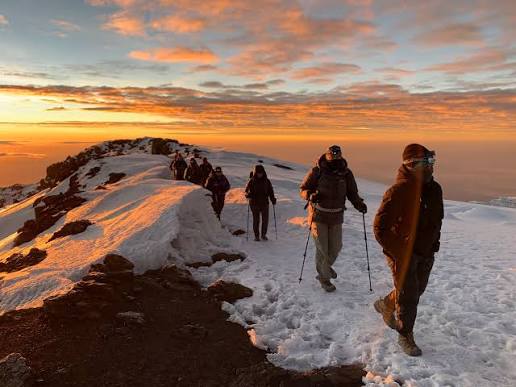
Marangu Route
Among all the paths that wind their way up the slopes of Mount Kilimanjaro, the Marangu Route holds...
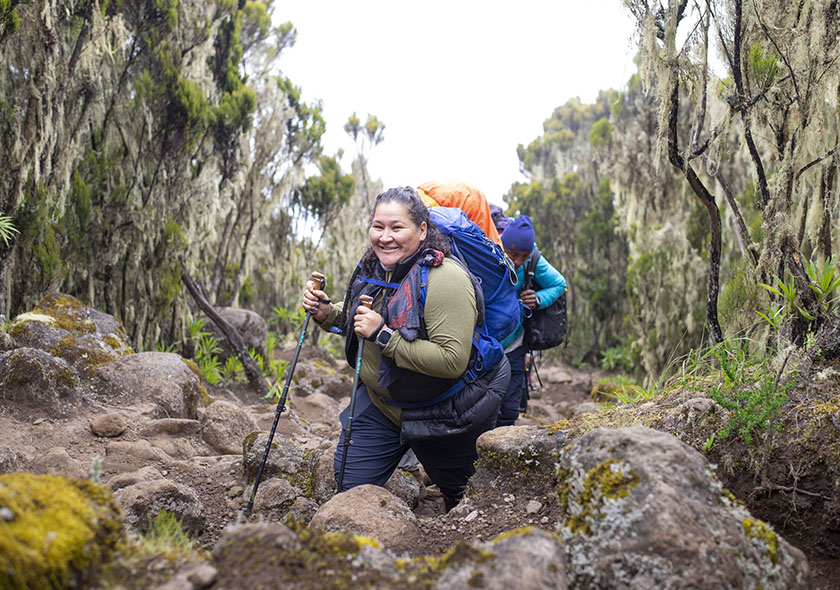
Lemosho Route
Among all the routes that ascend the magnificent slopes of Mount Kilimanjaro, the Lemosho Route occupies a position...
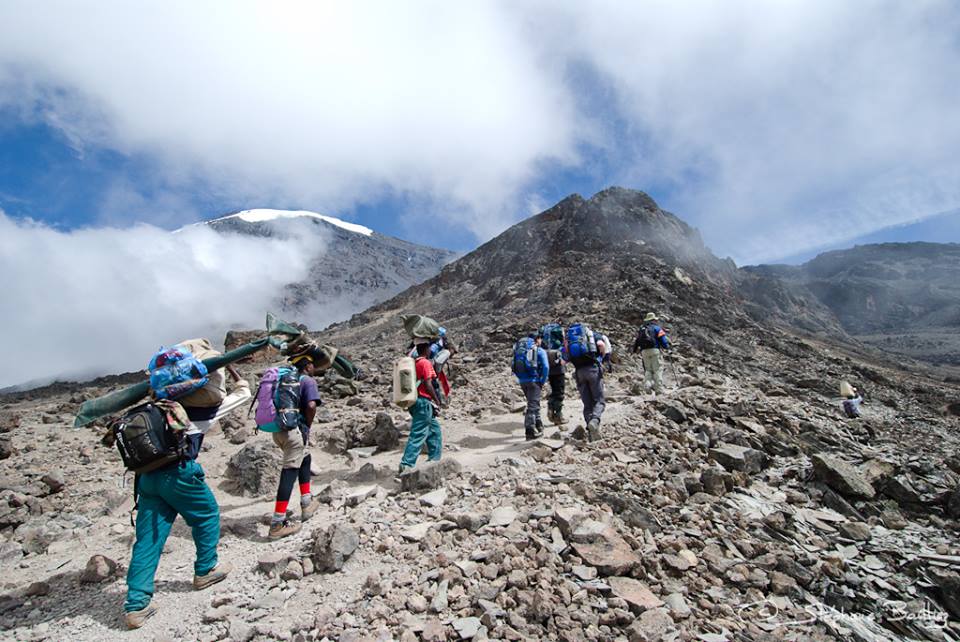
The Rongai Route
The Rongai Route is the only route on Kilimanjaro that approaches from the north, beginning near...
Mweka Route
The Mweka Route is occasionally used as an ascent route primarily as part of the...








%20copy%203.svg)