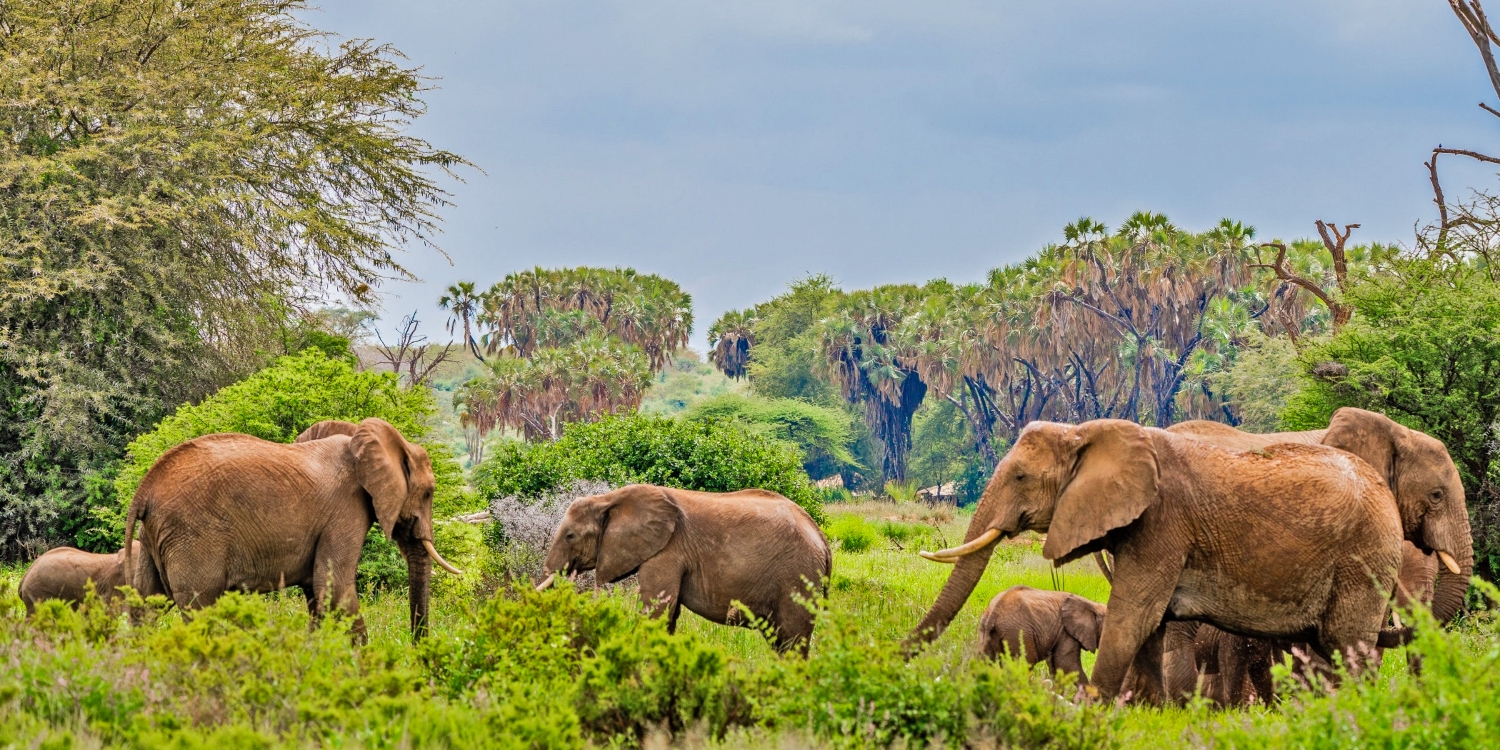
SAMBURU NATIONAL RESERVE
Samburu National Reserve is located in Kenya’s northern frontier, approximately 350 kilometres north of Nairobi in Laikipia County. The reserve covers 165 square kilometres of semi-arid savannah, riverine forest, and dry scrubland along the banks of the Ewaso Nyiro River — a name that translates as “river of brown water” in the Samburu language. This river is the lifeline of the entire ecosystem. In a landscape that receives very little rainfall, the Ewaso Nyiro draws every living thing to its banks: elephants bathing in its shallows, leopards drinking at dusk, crocodiles basking on its mudflats, and oryx standing motionless in the afternoon heat.
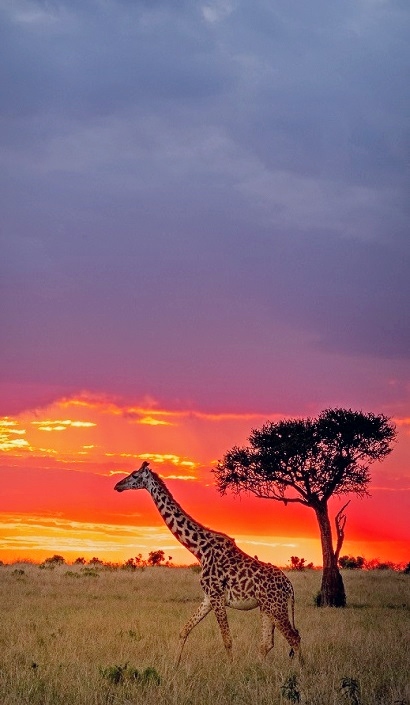
What makes Samburu truly unique in Kenya’s safari landscape is its exclusive collection of wildlife species — a group of animals so specific to this northern ecosystem that they are collectively known as the “Samburu Special Five.” These are the reticulated giraffe, with its bold geometric patchwork coat; the Grevy’s zebra, the world’s most endangered zebra species, with its narrow white-and-black stripes and enormous rounded ears; the gerenuk, an impossibly elegant antelope with a giraffe-like neck that allows it to browse standing upright on its hind legs; the Beisa oryx, a striking antelope with long straight horns; and the Somali ostrich, the blue-legged variant of Africa’s largest bird. These five species are rarely seen together in any other single destination in Kenya, making Samburu a must-visit for serious wildlife enthusiasts.
Samburu also hosts healthy populations of elephants, lions, leopards, and African wild dogs — one of Africa’s most endangered and elusive predators. Because visitor numbers are significantly lower than in the Maasai Mara, game drives here feel unhurried and exploratory. You are far more likely to have a leopard sighting entirely to yourself in Samburu than in any of Kenya’s more heavily visited parks.
The cultural dimension of a Samburu visit is equally compelling. The Samburu people — closely related to the Maasai but with their own distinct language, traditions, and pastoralist heritage — inhabit the lands surrounding the reserve. Guided community visits offer an authentic and deeply personal encounter with a way of life that has remained largely unchanged for centuries, providing context and meaning that transforms a wildlife safari into a truly holistic journey.
June to October and December to March are the prime months, when animals concentrate along the Ewaso Nyiro River and vegetation is low enough to allow excellent game viewing across the reserve.
Other destinations in
KENYA
From great national parks to white sand beaches
Popular Trips in Tanzania
Take a look at some of our itineraries and unique experiences — every one of our holidays is designed around you.






%20copy%203.svg)