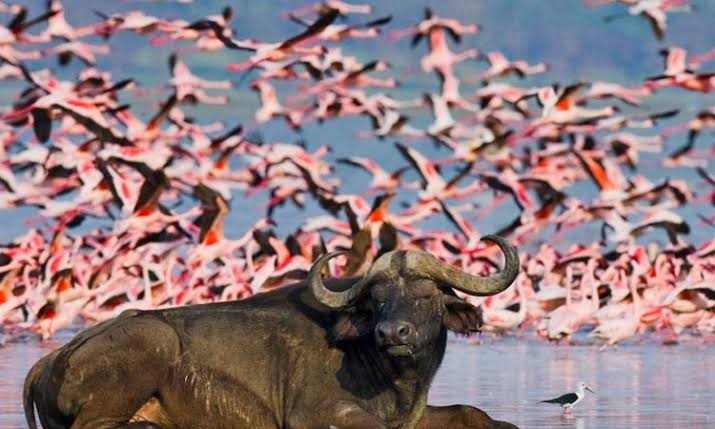
Lake Nakuru National Park
Lake Nakuru National Park Safari: 5 Unrivaled Rhino & Rift Valley Expeditions
Experience an authoritative Lake Nakuru National Park safari across Kenya’s flagship rhinoceros sanctuary and Ramsar wetland. Orchestrated with direct field excellence, Grand World Tours curates private wildlife journeys tracking endangered black and white rhinos, rare Rothschild’s giraffes, and luxury cliff-edge sanctuaries overlooking shimmering alkaline waters.
188 km² Protected Core
Kenya’s premier fenced rhino sanctuary surrounded by the picturesque Gregory Rift Escarpment.
100+ Black & White Rhinos
One of East Africa’s highest concentrations of southern white and critically endangered eastern black rhinos.
Rothschild’s Breeding Hub
Vital conservation stronghold for the endangered Rothschild’s (Nubian) giraffe subspecies.
160 km (2.5–3 Hours)
Seamless paved road transit from Nairobi via the scenic Great Rift Valley viewpoint.
“Where yellow fever tree forests meet shimmering soda shores, Lake Nakuru safeguards Africa’s rarest giants within a volcanic Rift Valley cradle.”
Framed by the rugged walls of the Lion Hill Ridge, Baboon Cliff, and the Mau Escarpment, Lake Nakuru National Park is one of the most ecologically diverse and rewarding wildlife sanctuaries in Kenya. Originally established in 1961 as a protected haven for millions of lesser and greater flamingos feeding on spirulina algae, this semi-alkaline lake has evolved into a global benchmark for big game conservation.
In 1987, the park was designated Kenya’s very first government-managed Rhino Sanctuary. Today, over 100 southern white rhinos and critically endangered eastern black rhinos thrive across its short-grass savannahs and euphorbia woodlands, offering safari travelers near-guaranteed sightings of both species on a single morning game drive. The park’s acacia forests also protect healthy populations of endangered Rothschild’s giraffes, massive cape buffalo herds, tree-climbing lions, waterbucks, and elusive leopards that patrol the rocky cliff lines.
Every Lake Nakuru National Park safari operated by Grand World Tours is delivered with dedicated private standards. We deploy customized 4×4 Land Cruisers with pop-up photography hatches and certified Kenyan naturalist guides who know every circuit from Naishi Plains to the southern Makalia riverbed. Seamlessly paired with the Masai Mara, Lake Naivasha, or Amboseli, your safari is customized to your preferred pace.
Lake Nakuru Seasonal Dynamics
Optimal Travel Windows
| Season | Months | Wildlife & Landscape Dynamics | Operational Focus |
|---|---|---|---|
| Peak Dry Season | July – October | Thinned acacia scrub and short grass savannahs make rhino tracking and leopard spotting straightforward. Crisp morning light over the lake. | High-yield rhino tracking, open-plains predator viewing, and Baboon Cliff panoramic photography. |
| Warm Dry Season | January – February | Warm, sunny days with clear Rift Valley views; pelicans and waterbirds congregate along the shoreline, and grazing herds feed on the Naishi Plains. | Excellent big game photography, Rothschild’s giraffe tracking, and relaxed afternoon drives. |
| Emerald / Birding Season | November – December & March – May | Seasonal rainfall keeps landscapes lush and waterfalls full; over 450 species of resident birds and European migratory waders settle across the wetlands. | Specialist ornithology expeditions, Makalia Falls visits, and uncrowded luxury lodge stays. |
Five Iconic Nakuru Encounters
Private Wilderness Circuits
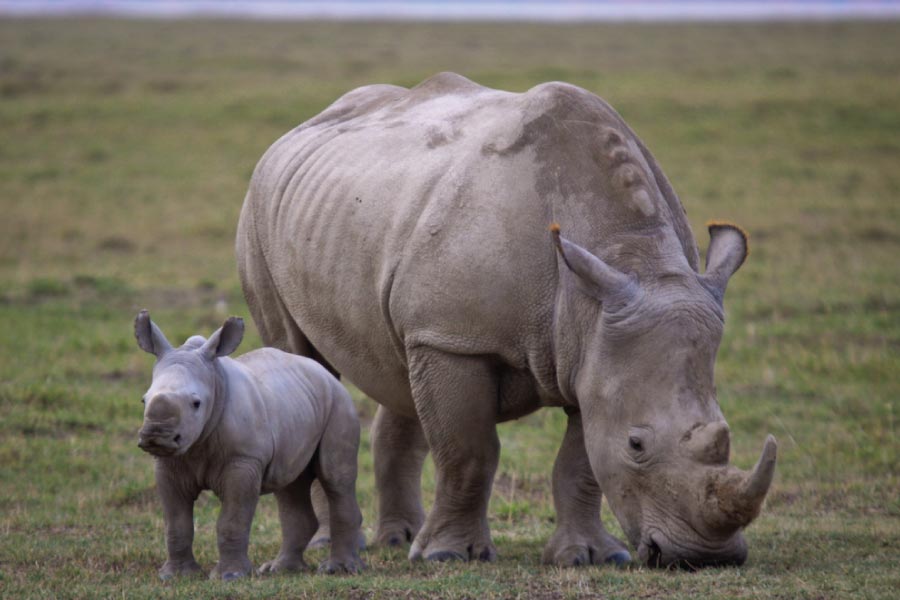
Black & White Rhino Tracking
Traverse the open grassy flats of the Naishi Plains to encounter both white and black rhinos. Watch white rhino families graze in open clearings while elusive black rhinos browse deep within thorny acacia thickets.

Flamingo & Pelican Gatherings
Scan the shimmering pink ribbons of lesser and greater flamingos filter-feeding in the shallow alkaline waters, flanked by great white pelicans, cormorants, and African fish eagles swooping along the shoreline.

Rothschild’s Giraffe Herds
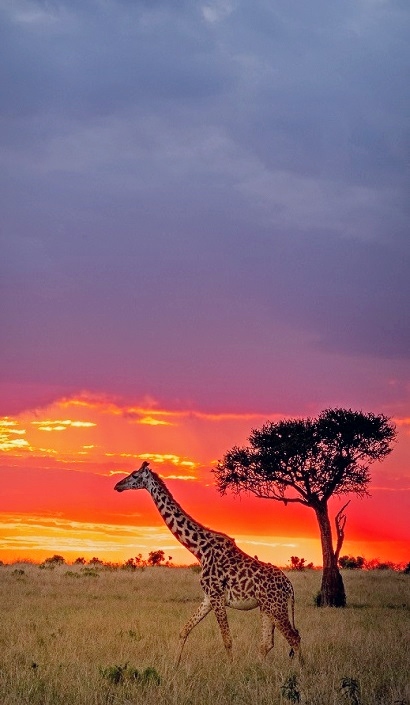
Spot the tall silhouettes of endangered Rothschild’s giraffes browsing among groves of yellow-barked fever trees. Note their distinctive spotless white lower legs and darker coat markings unique to this rare subspecies.
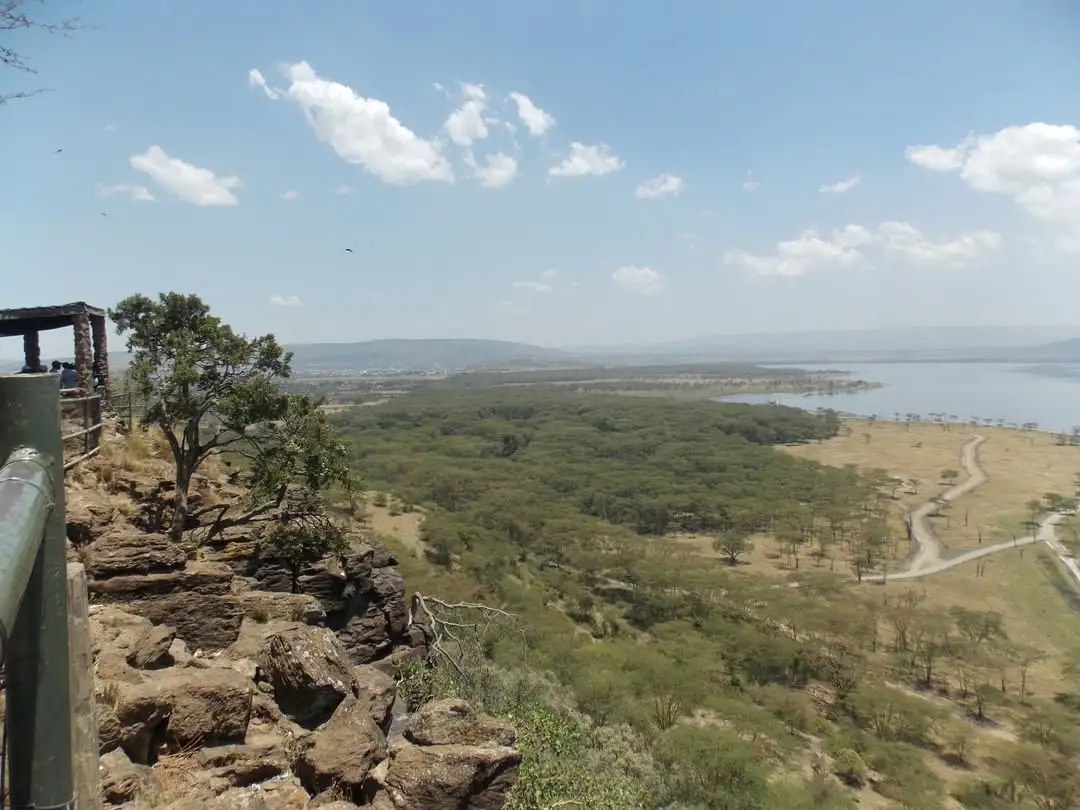
Baboon Cliff & Lion Hill
Ascend to Baboon Cliff for an expansive vantage point overlooking the entire alkaline lake, shimmering shoreline, and distant volcanic ridges. Watch troops of olive baboons groom while raptors soar on rising thermal currents.

Makalia Falls & River Canyons
Travel to the park’s quieter southern edge where the Makalia River tumbles down a 10-meter volcanic cliff into a tranquil gorge. Step out to enjoy a guided walk and riverside picnic surrounded by lush riverine forest.
Clifftop & Ridge Luxury Lodges
Perched high on the volcanic ridges overlooking Lake Nakuru or nestled inside private game sanctuaries bordering the park, our luxury accommodations offer refined comfort and sweeping views. Enjoy panoramic cliff-edge swimming pools, private timber balconies with telescope stations, dedicated naturalist guides, and fine multi-course dining paired with curated wines.
Staying on the upper ridges provides unmatched morning vistas as dawn mist lifts off the pink-hued lake, paired with fast gate access for early morning game drives.
- Clifftop infinity pools with panoramic views across Lake Nakuru
- Spacious suites with private viewing verandas and fireplace lounges
- Fine dining with tailored wine lists and private sunset cocktails
Comfortable Forest Lodges & Tented Camps
Selected for travelers seeking authentic safari ambiance, warm Kenyan hospitality, and strong value, our midrange portfolio features permanent safari cottages and tented camps situated within the yellow fever tree woodlands near the main park gates.
Featuring en-suite bathrooms, comfortable bedding, swimming pools, and generous farm-fresh buffets, these properties ensure immediate access to prime rhino and flamingo viewing tracks at first light.
- Convenient 5- to 10-minute access to primary park entrance gates
- Comfortable en-suite chalets and safari tents set in tranquil gardens
- Generous buffet dining and swimming pools shaded by acacia trees
Plan Your Lake Nakuru Safari
Every safari with Grand World Tours is customized around your preferred pacing, private vehicles, and accommodation standards. Connect directly with our planning desk to coordinate private guides, overland transfers from Nairobi, and seamless circuits connecting Lake Nakuru with the Masai Mara, Lake Naivasha, and Amboseli.
WhatsApp Concierge
Instant availability, custom pricing, and regional safari planning advice from our field desk.
Safari Planning Desk
Send your travel dates and group details to receive an itemized PDF itinerary within 24 hours.
East Africa Operations
Direct ground management coordinating private 4×4 fleets, permits, and cross-border safari logistics.
Other destinations in
Kenya
From great national parks to white sand beaches
Popular Trips in Tanzania
Take a look at some of our itineraries and unique experiences — every one of our holidays is designed around you.
5-Day Kenya Luxury Safari: Amboseli, Naivasha & Masai Mara
5 Days
Price from
$ 3,355
5 – Day Masai mara Classic Safari
5 Days
Price from
$ 1,924
7-Day Private Kenya Luxury Safari
7 Days
Price from
$ 3,405
8-Day Kenya Mid-Range Safari
8 Days
Price from
$ 3,350
8-Day Kenya Luxury Safari
8 Days
Price from






%20copy%203.svg)