ZANZIBAR
Zanzibar Holidays – The Spice Island of Africa
Where Paradise Meets Culture, Adventure & the Indian Ocean
A Zanzibar holiday is more than a tropical escape. It is a journey into a world of white-sand beaches, turquoise waters, Swahili culture, fascinating history, and unforgettable island experiences.
Located in the Indian Ocean off the coast of Tanzania, Zanzibar combines natural beauty with centuries of African, Arab, Persian, and Indian influences. Whether you are looking for a luxury beach holiday, honeymoon, family escape, cultural adventure, or safari and beach combination, Zanzibar offers the perfect setting.
At Grand World Tours, we create tailor-made Zanzibar holidays designed around your interests, travel style, and expectations.
Why Visit Zanzibar?
1. Beautiful Tropical Beaches
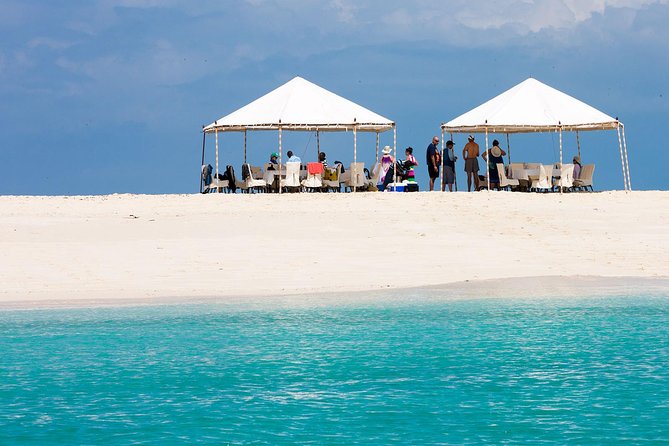
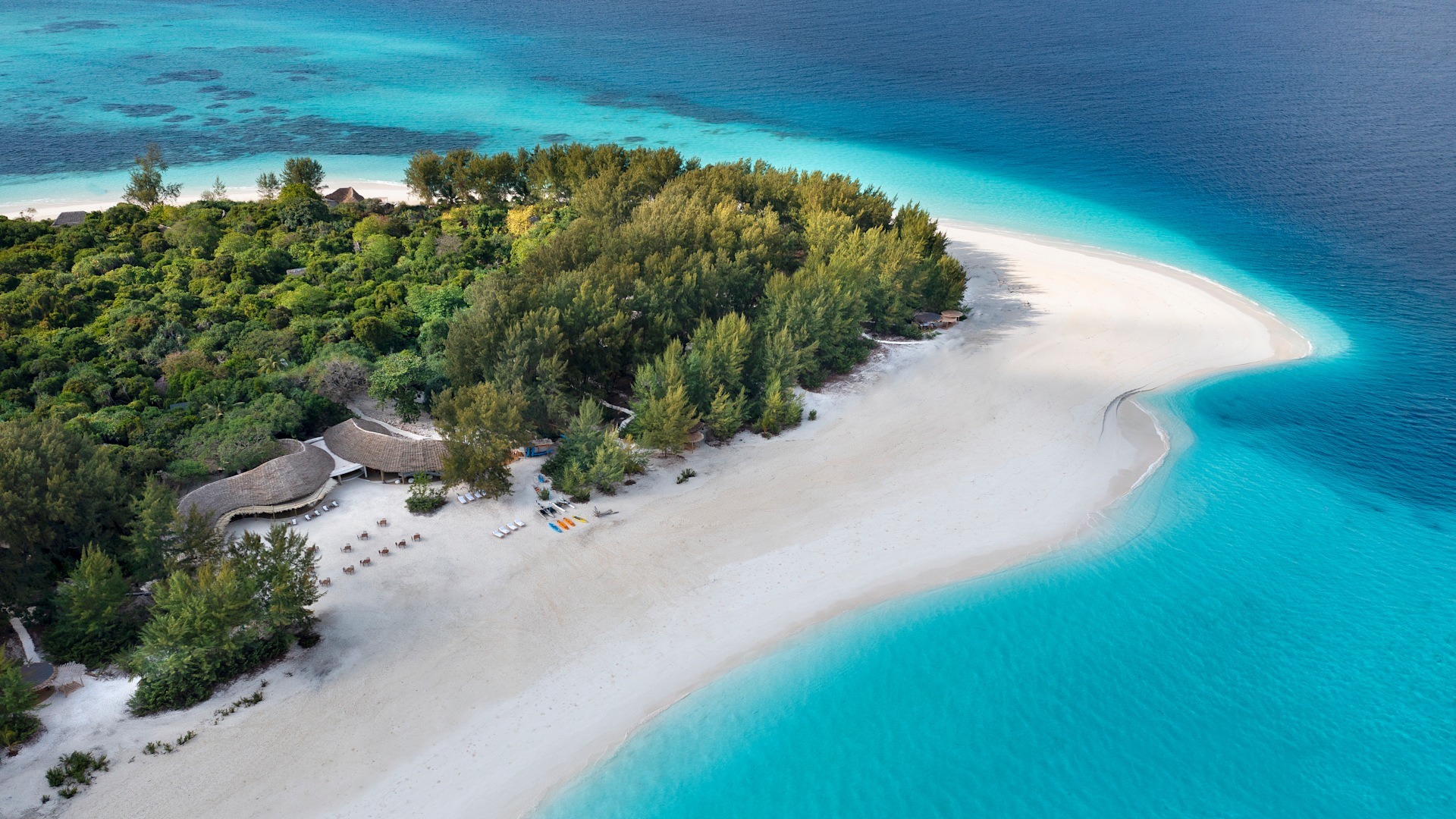
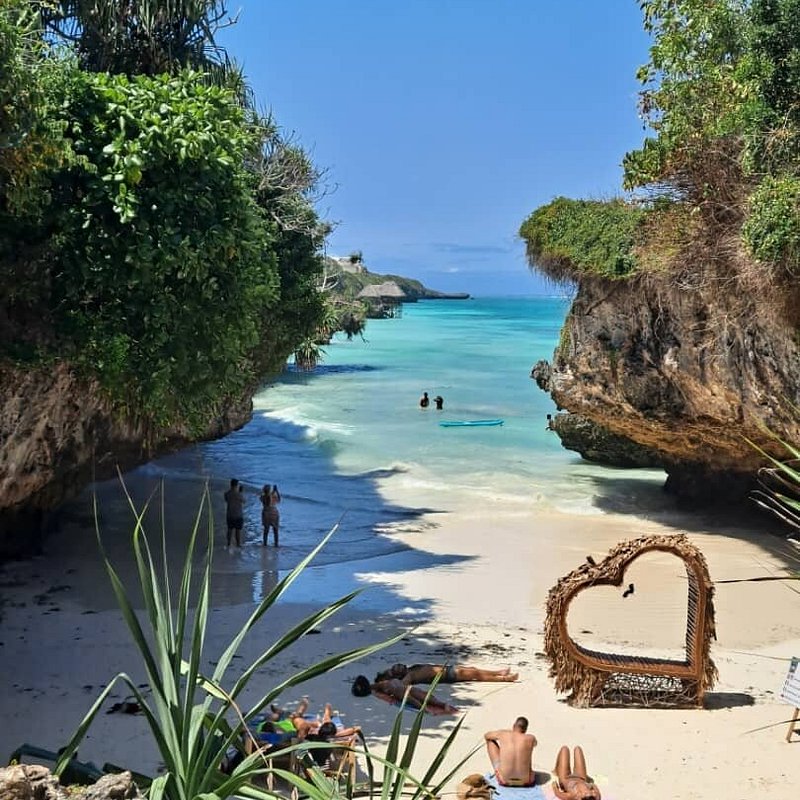
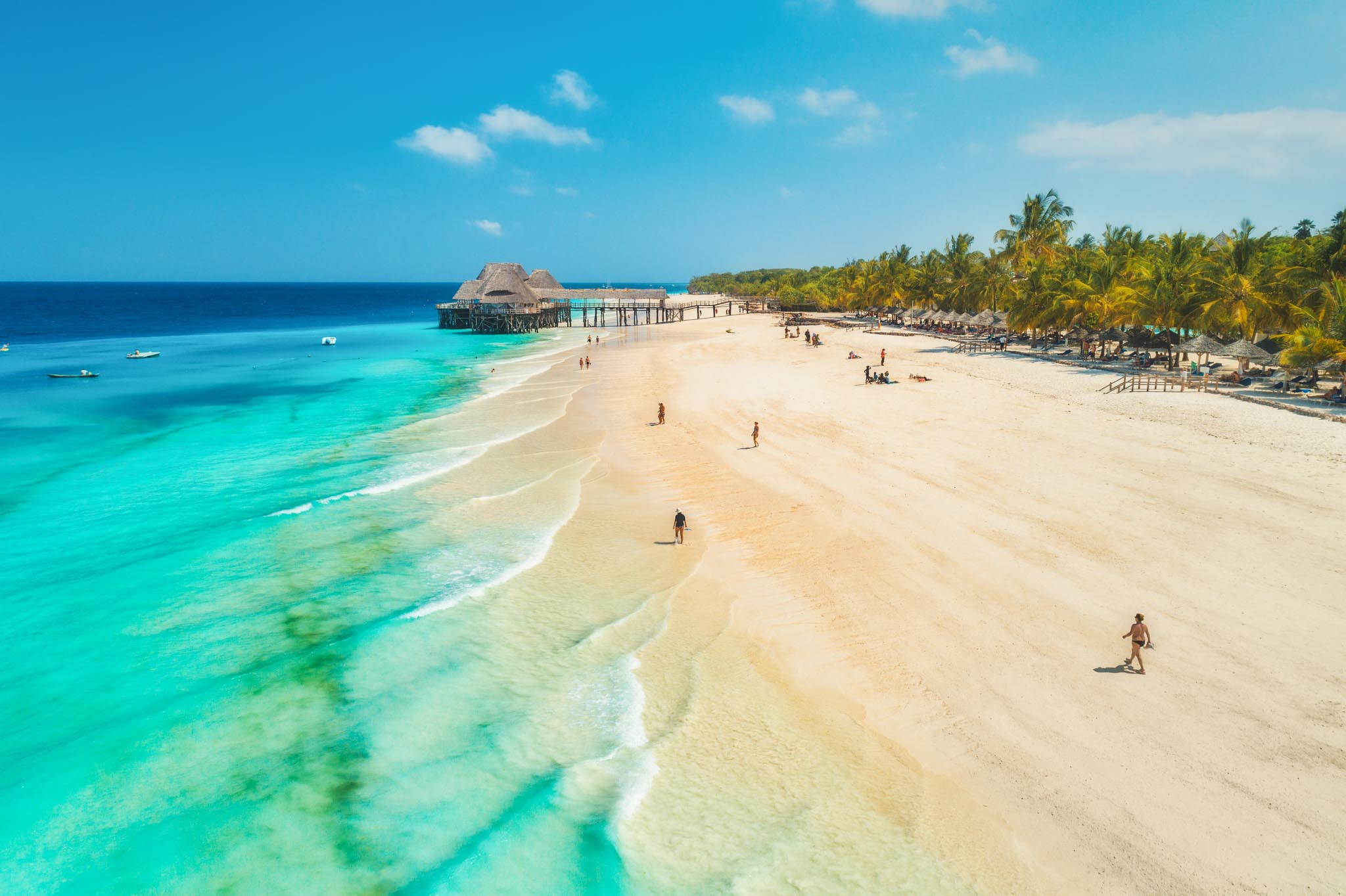
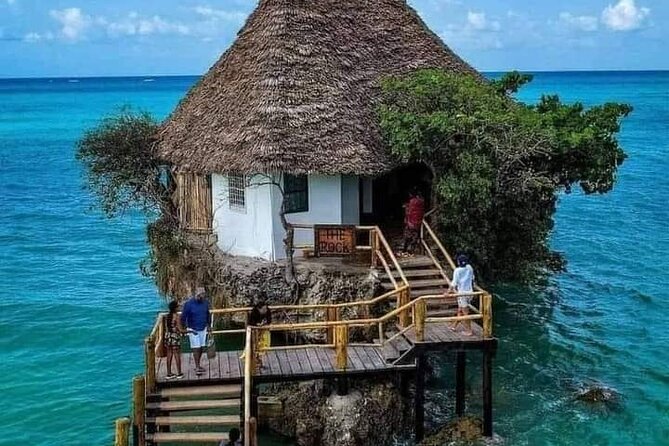
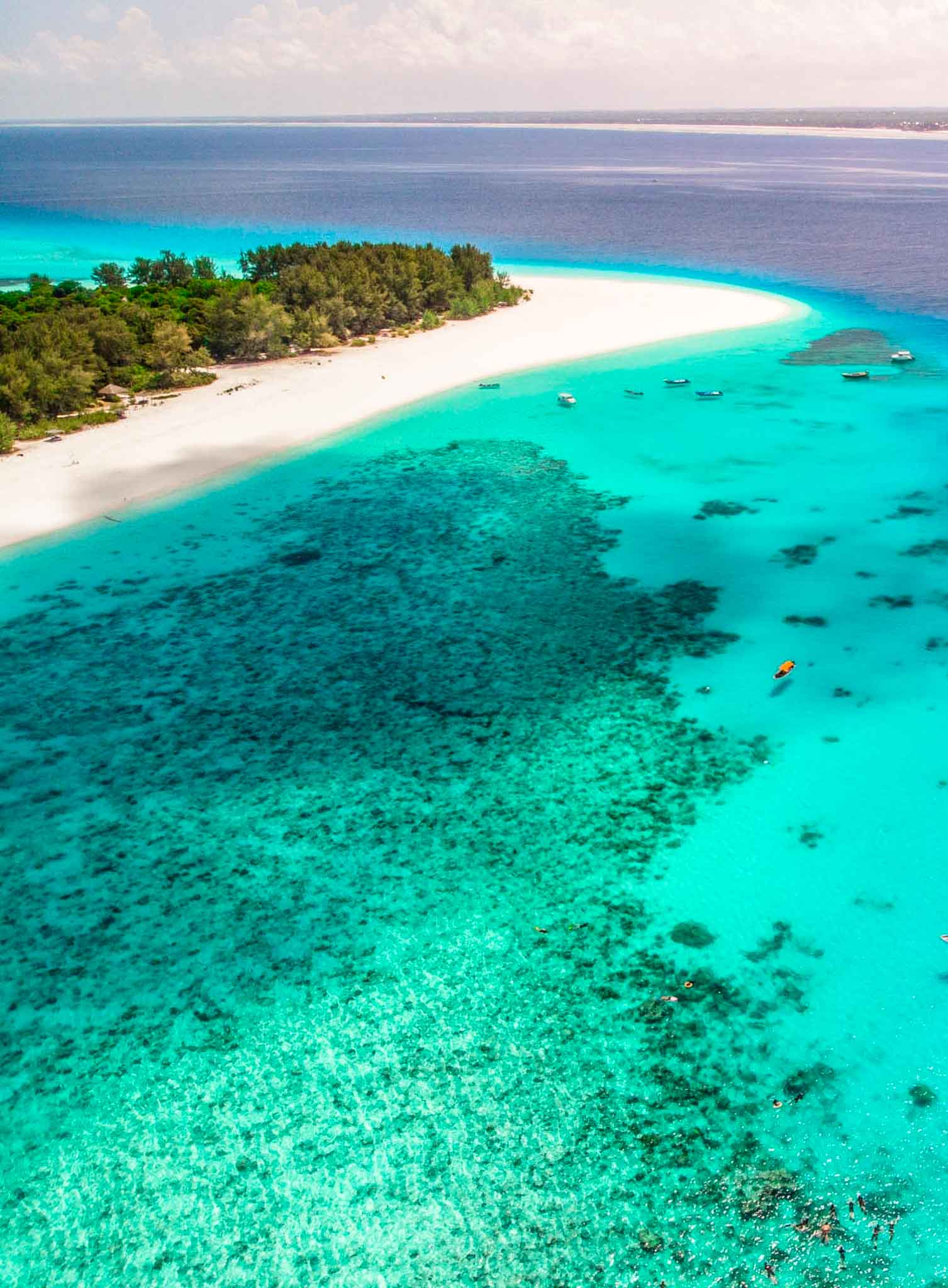
Zanzibar is famous for its powder-soft white sands, crystal-clear turquoise waters, and beautiful Indian Ocean coastline. It is the perfect place to slow down, enjoy the sunshine, swim in warm waters, or simply relax after an exciting safari.
2. Rich Swahili Culture & History
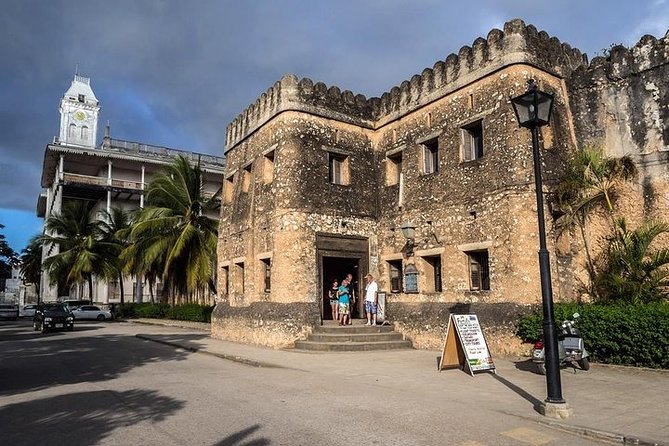
Zanzibar has a fascinating cultural heritage shaped by centuries of African, Arab, Persian, and Indian influence. Its traditions, architecture, cuisine, music, and way of life create an experience that feels completely different from anywhere else.
3. Incredible Ocean Experiences
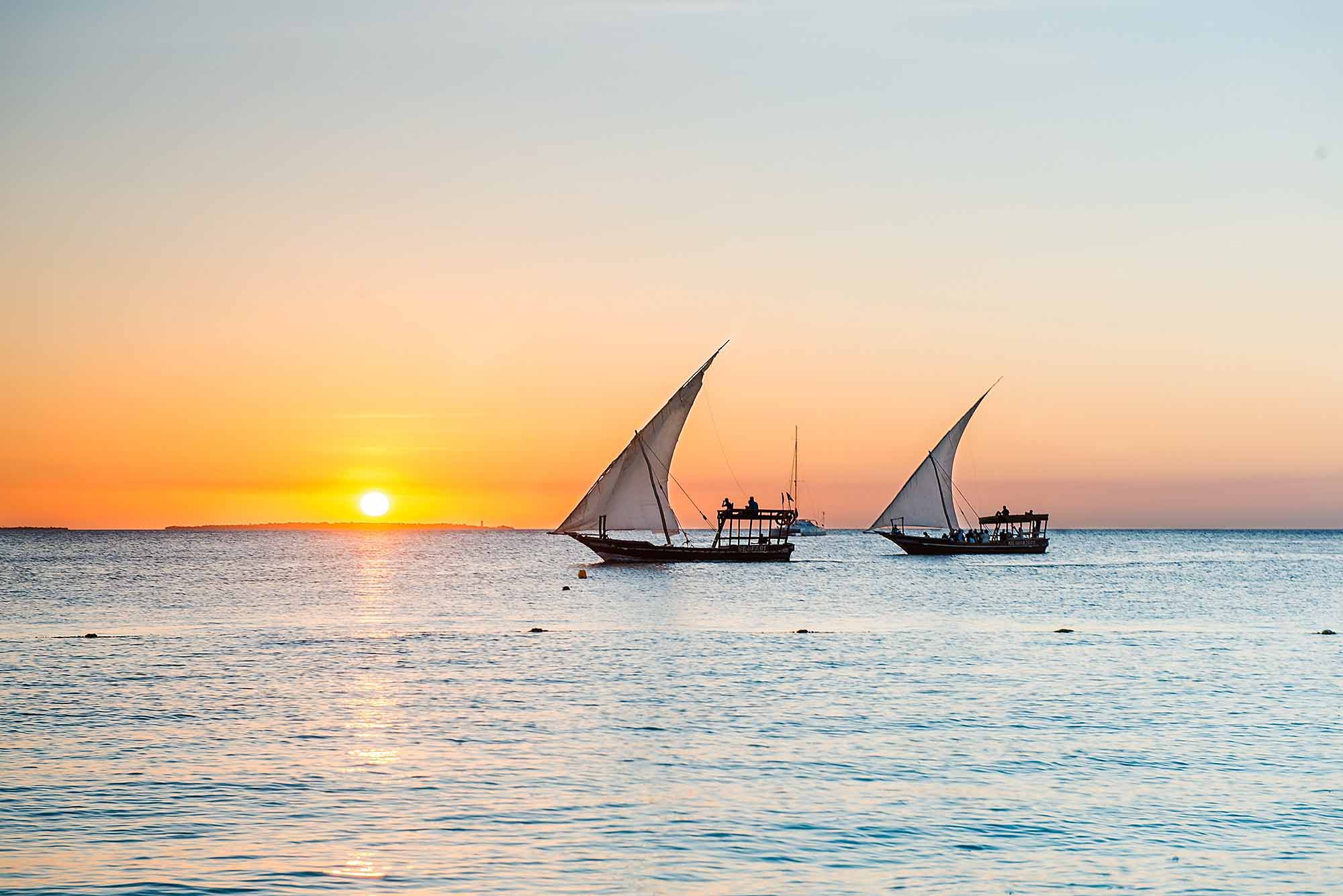
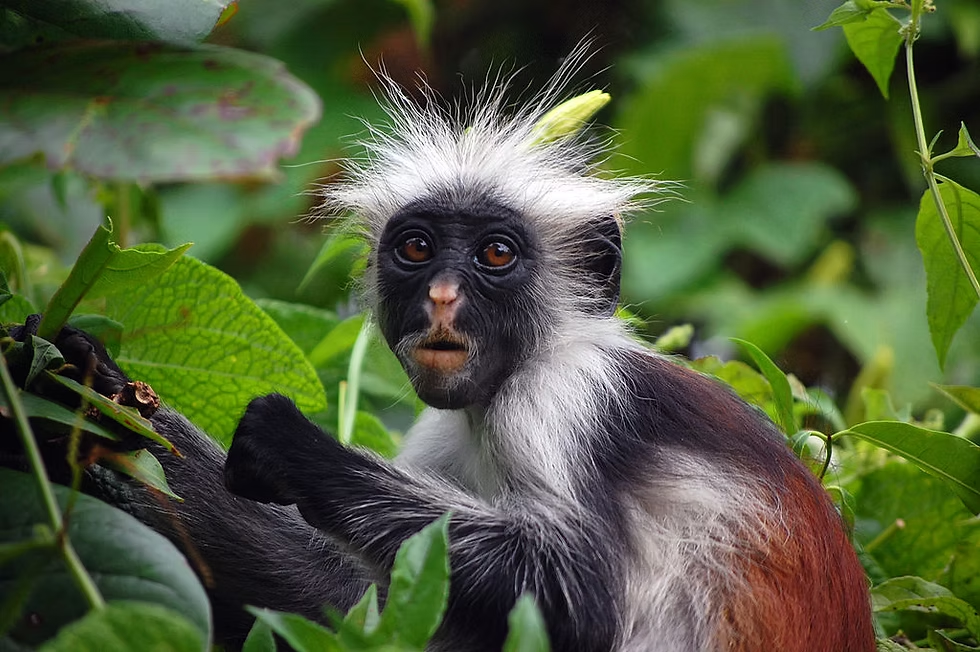
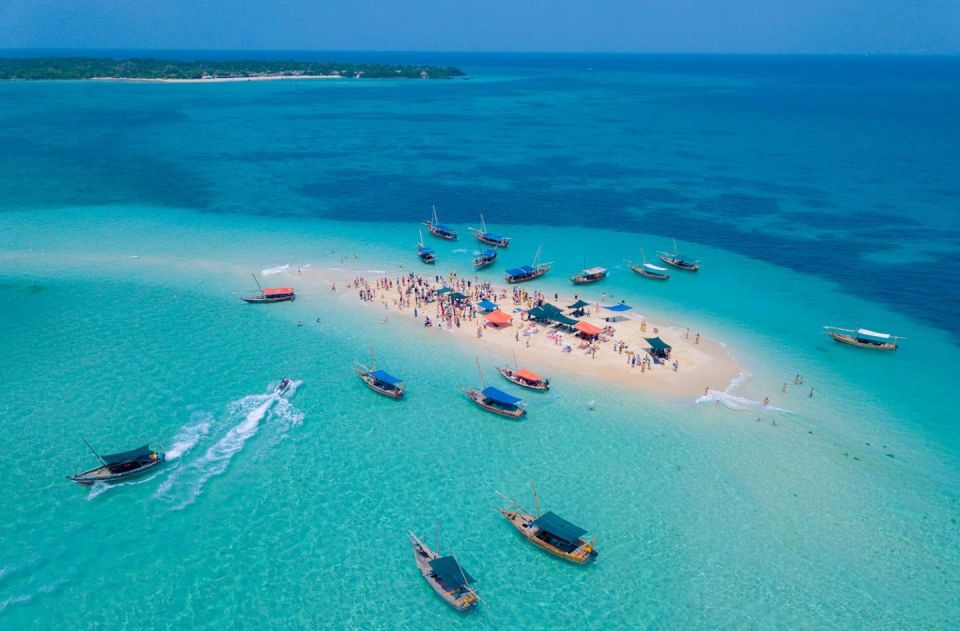
The warm waters surrounding Zanzibar are ideal for snorkeling, diving, dolphin experiences, sailing, sandbank trips, fishing, and sunset dhow cruises.
Explore colorful coral reefs, discover marine life, or simply enjoy the peaceful beauty of the Indian Ocean.
4. Unforgettable Island Experiences
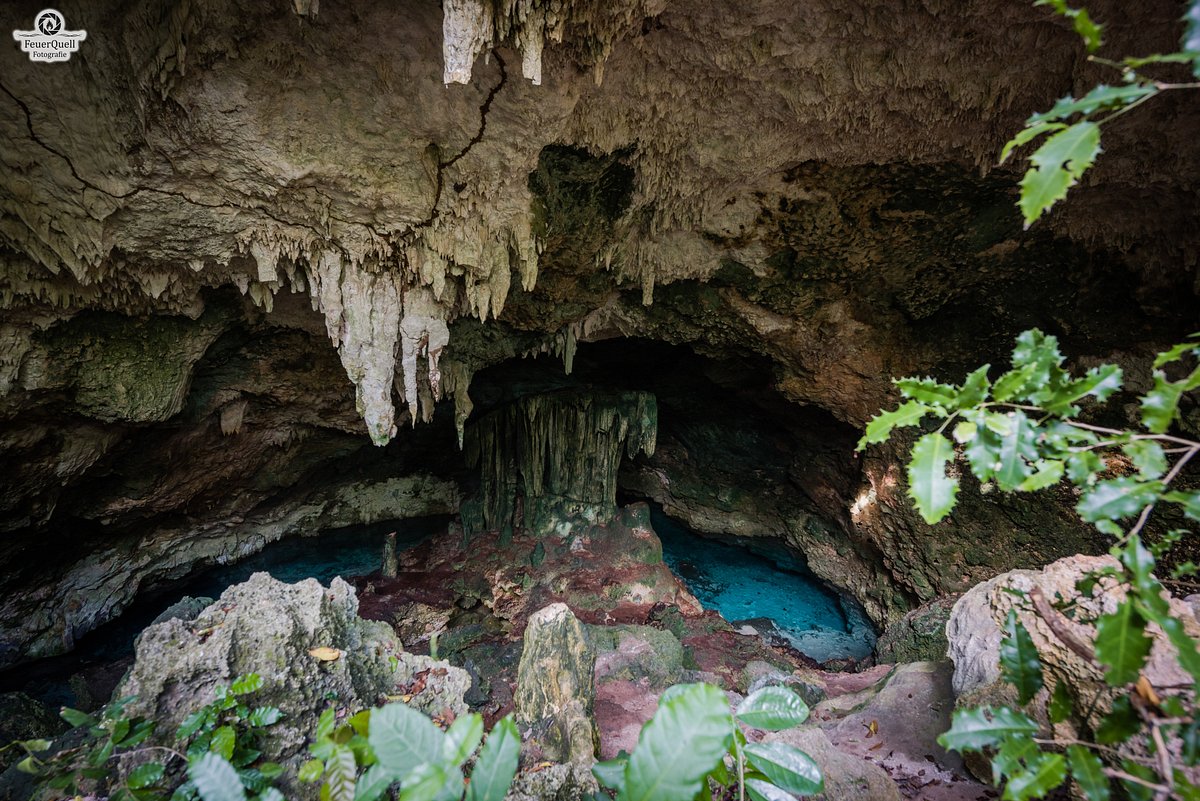
A Zanzibar holiday can be filled with discovery. Enjoy spice experiences, cultural encounters, nature adventures, marine excursions, traditional dhow trips, and local experiences that reveal another side of the island.
5. Perfect for Honeymoons & Romance
With beautiful beaches, spectacular sunsets, luxury accommodation, and private experiences, Zanzibar is an exceptional destination for a honeymoon or romantic getaway.
Create unforgettable memories with private dinners, ocean experiences, sunset cruises, or simply time together beside the sea.
6. Ideal for Family Holidays
Zanzibar is also a wonderful destination for families. Enjoy beach relaxation, boat adventures, cultural experiences, nature activities, and family-friendly excursions at a comfortable pace.
We can design your itinerary around your family’s interests, ages, and preferred level of activity.
7. Luxury & Private Escapes
For travelers seeking something special, Zanzibar offers luxury resorts, boutique properties, private villas, exclusive experiences, and secluded island escapes.
Grand World Tours carefully selects accommodation and experiences based on quality, location, comfort, and service.
Zanzibar & African Safari – The Perfect Combination
One of the best ways to experience East Africa is to combine a Tanzania safari and Zanzibar holiday.
Begin your journey in the wilderness, experiencing the incredible wildlife of Serengeti, Ngorongoro, and Tarangire, then continue to Zanzibar for days of relaxation beside the Indian Ocean.
You can also combine a Kenya safari with Zanzibar, creating an unforgettable journey that brings together wildlife, adventure, culture, and tropical beaches.
Experience Zanzibar Your Way
There is no single way to experience Zanzibar.
You can spend your days relaxing on the beach, exploring the island’s culture, discovering the underwater world, enjoying local cuisine, or combining different experiences into one personalized journey.
At Grand World Tours, every Zanzibar holiday is carefully designed around you.
We arrange private airport transfers, accommodation, excursions, domestic flights, safari connections, and personalized experiences, creating a seamless journey from arrival to departure.
Why Travel With Grand World Tours?
Local Expertise – We understand Zanzibar and the wider East African region from the ground up.
Tailor-Made Journeys – Your itinerary is designed around your interests, pace, preferences, and budget.
Private Experiences – Enjoy greater flexibility, comfort, and personal attention throughout your journey.
Trusted Partners – We work with carefully selected hotels, guides, transport providers, and local partners.
Seamless Service – From your first enquiry to your final departure, our team is there to coordinate every important detail.
Authentic Experiences – We help you experience Zanzibar beyond the ordinary, connecting you with its culture, people, nature, and island lifestyle.
When Is the Best Time to Visit Zanzibar?
Zanzibar can be enjoyed throughout much of the year. The June to October and December to February periods are generally popular for sunshine, beach holidays, and combining the island with a safari.
The best time for your trip ultimately depends on your travel dates, activities, budget, and personal preferences. Our experts can help you choose the right time and itinerary for your journey.
How to Get to Zanzibar
Zanzibar is accessible through Abeid Amani Karume International Airport (ZNZ), with international and regional connections available.
Travelers combining Zanzibar with a mainland safari can use domestic flights between Tanzania’s safari destinations and Zanzibar, making it easy to combine wildlife and beach experiences in one journey.
Grand World Tours can arrange your flights, airport transfers, accommodation, excursions, and safari connections as part of a complete tailor-made itinerary.
Start Your Zanzibar Journey
Whether you dream of a peaceful beach escape, romantic honeymoon, family adventure, cultural discovery, or the ultimate safari and Zanzibar holiday, we are here to create it around you.
Discover the Spice Island. Experience the Swahili spirit. Make memories that last a lifetime.
Other Experiences
Other Experiences
Popular Trips in Tanzania
Take a look at some of our itineraries and unique experiences — every one of our holidays is designed around you.
- Beach tour
- KENYA SAFARI & BEACH ADVENTURE
- 3-Day Big Five Safari: Serengeti & Ngorongoro Crater
- Elephant Held | Crater View
- Big five safari | Great migrations
- Savana safari | big 5
- Elephant Held | Crater View
- Big five safari | Great migrations
- Explore Northern Tanzania’s Top Destinations
- Memorable Safari Adventure
Tanzania grand safari & Zanzibar ocean retreat
12 Days
Price from
$ $3,185 – ~$5,132
Exclusive zanzibar coastal & nature retreat
4 Days
Price from
$ $750 – $1,300
Exclusive zanzibar heritage & island escape
3 Days
Price from
$ $350 – $450
Kenya safari & Beach adventure
7 Days
Price from
$ USD 2,400
Ultimate 3-Day Safari: Explore Serengeti & Ngorongoro
3 Days
Price from
$ $1,200 – $1,800
Tarangire & Ngorongoro Quick Safari
2 Days
Price from
$ $550 – $900
Masai mara & lake nakuru budget safari
4 Days
Price from
$ USD 450
Luxury masai mara exclusive safari
5 Days
Price from
$ USD 3,450
Kenya safari : Amboseli, Lake nakuru and masai mara
5 Days
Price from
$ USD 1,180
Great migration northern circuit Safari
7 Days
Price from
$ $2,500 – $4,500
Explore Northern Tanzania
9 Days
Price from
$ $2,100 – $5,500
6 Days Tanzania safari adventure of a lifetime
6 Days
Price from








%20copy%203.svg)